National Dish Georgia: Imeruli Khachapuri (Recipe)
In this article
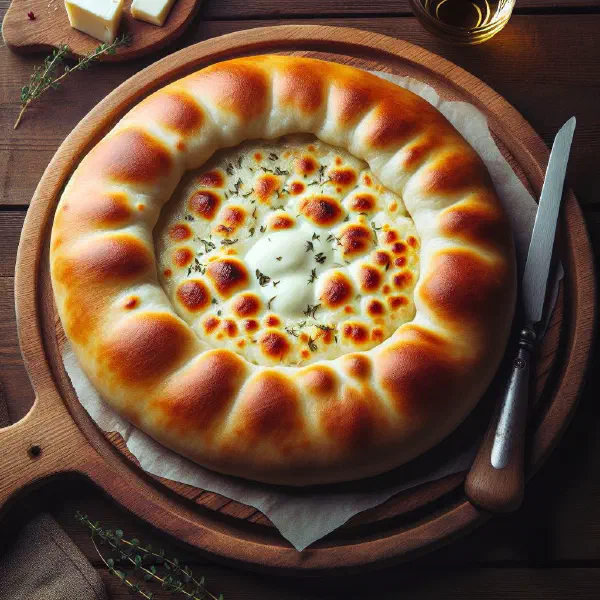
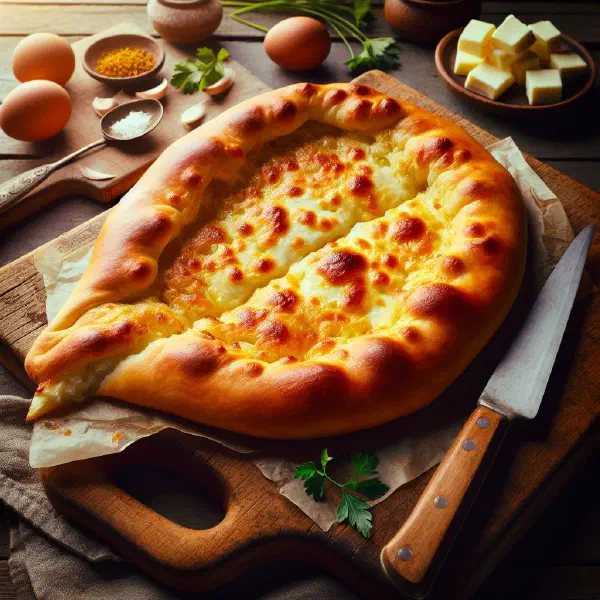
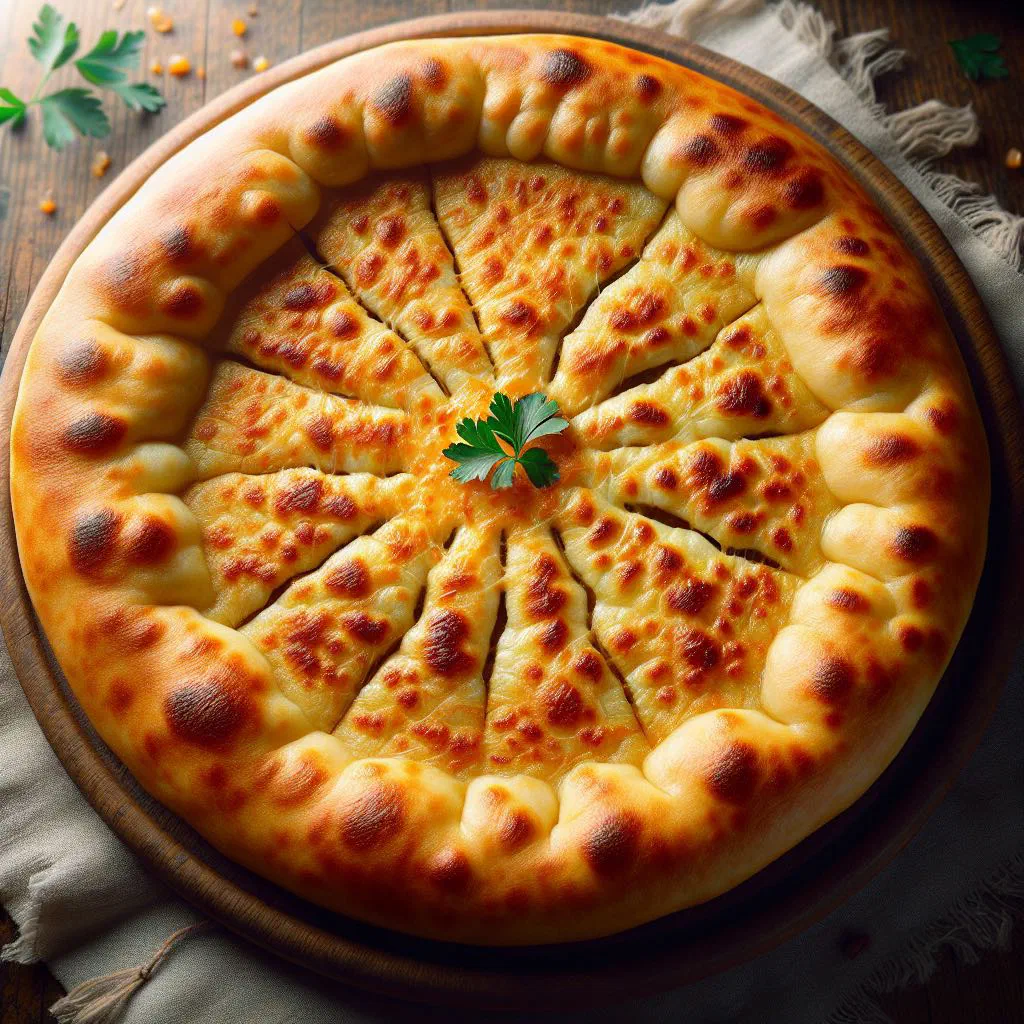
Meet Imeruli Khachapuri, the round cheese bread that Georgians will tell you is the truest of all khachapuri. Born in the western region of Imereti, it wraps a soft, springy yeast dough around a generous filling of salty cheese that turns molten in the oven. Pull it apart while it is still warm and you get steam, stretch and that unmistakable tang. It is a snack, a centrepiece and an act of hospitality all at once.
About Imeruli Khachapuri
Imeruli Khachapuri is more than a dish, it is a piece of Georgian culture and tradition. This delicious cheese bread comes from the region of Imereti, a place known for hearty cooking and warm hospitality. The fluffy dough encloses a filling of tender cheese that melts beautifully in the oven and delivers a flavour experience quite unlike any other. Imeruli Khachapuri wins people over with every single bite.
Ingredients (serves 1–2)
- 200 g plain flour
- 100 ml water
- 5 g dried yeast
- 50 ml milk
- 100 g cheese (Sulguni or feta work well)
- 1 teaspoon salt
- 1 tablespoon oil
Shopping for the ingredients
When shopping for Imeruli Khachapuri it is worth picking out good-quality products. The cheese in particular decides both the flavour and the texture of the finished bread. Many supermarkets now stock Georgian cheeses such as Sulguni, which are ideal for this recipe, and delicatessens or Eastern European grocers are another reliable source. Fresh ingredients guarantee a better result and a properly savoury bite.
Preparing the dish
Preparing Imeruli Khachapuri is straightforward and asks for nothing more than a little patience. Start with the dough by dissolving the yeast in the water and mixing it with the remaining ingredients. While the dough rests, grate or finely chop the cheese so the filling is ready to go. Working through each step carefully is what gets you to a perfect result.
Step-by-step instructions
- Dissolve the dried yeast in the warm water in a bowl.
- Add the flour, milk, oil and salt, then knead everything into a smooth dough.
- Cover the dough and leave it to prove in a warm place for about 30 minutes.
- Prepare the cheese and set it aside in a bowl.
- Roll the risen dough out on a floured surface and pile the cheese filling into the centre.
- Fold the edges of the dough over the filling and shape it into a round or oval.
- Bake the khachapuri in a preheated oven at 220 °C for around 15–20 minutes, until golden brown.
Gluten-free / lactose-free version
For a gluten-free Imeruli Khachapuri, use a gluten-free flour blend. Special mixes formulated for bread are available and give good results. For a lactose-free version, choose lactose-free cheese and, if needed, replace the milk with a plant-based alternative such as soya or almond milk. Adaptations like these make the dish suitable for anyone who loves good food.
Tips for vegans and vegetarians
The bread is naturally vegetarian, and vegans can enjoy Imeruli Khachapuri too by swapping the cheese for a plant-based alternative. Plenty of products on the market now melt much like traditional cheese. Herbs or spices added to the filling give it an extra dimension of flavour. The dish becomes more aromatic still and stays entirely in keeping with a plant-based diet, much like the walnut-rich Pkhali.
More tips and tricks
To get the best from Imeruli Khachapuri, give the dough long enough to rise. A well-proved dough is what produces that light, airy crumb. Take care not to bake the khachapuri for too long either, or the cheese will dry out. A quick glance into the oven partway through helps you judge exactly the right degree of browning.
Adapting the recipe to your taste
The recipe for Imeruli Khachapuri is easy to tailor to personal preference. Try different cheeses, for example, to steer the flavour in another direction. Adding other ingredients such as spinach, ham or spices lends the bread a character of its own. Experimenting is not only allowed but positively encouraged until you have created the khachapuri that is perfect for you.
Ingredient substitutions
If certain ingredients are not to hand, there are alternatives for Imeruli Khachapuri. Vegetable stock can stand in for the water to give the dough more flavour. If you have no yeast, the recipe can be adapted with baking powder, though the texture will shift slightly. Substitutions like these open up new possibilities and make sure the dish can be made with whatever you happen to have.
Drink pairing ideas
Several drinks pair happily with Imeruli Khachapuri and round out its flavours. A crisp white wine or a light Georgian red are excellent companions, a Tsinandali in particular, as in Tsinandali. A savoury herbal tea also sits well beside the cheese bread and completes the meal. For an alcohol-free option, a fruity juice or sparkling water with lemon is refreshing.
Serving and presentation ideas
Presentation contributes a great deal to the pleasure of eating Imeruli Khachapuri. The cheese bread looks wonderful served on a wooden board, garnished with fresh herbs or a small salad alongside. Cut the khachapuri open in the middle and let the molten cheese filling show through. It sharpens everyone’s anticipation. An attractive presentation makes the dish look far more appetising and builds the excitement before the first bite.
A bit of history
Imeruli Khachapuri has a long history, rooted deeply in Georgian culture. Similar breads are believed to have been made in Georgia as far back as the 10th century. Khachapuri stands for the country’s culinary richness and for the hospitable tradition of welcoming guests with a hearty meal. In Georgia it is customary to serve khachapuri at celebrations and family gatherings, which makes it a true symbol of Georgian cuisine and the Georgian way of life.
More recipe ideas
Summary: Imeruli Khachapuri
In short, Imeruli Khachapuri is a must for anyone who loves Georgian food. With its fluffy dough and gloriously melting cheese filling, it brings authentic flavours straight to your table. Whether as a snack or as the heart of a sociable evening, this bread is a genuine treat. Give it a go and enjoy a little Georgian hospitality in your own kitchen.