National Dish Georgia: Kubdari (Recipe)
In this article
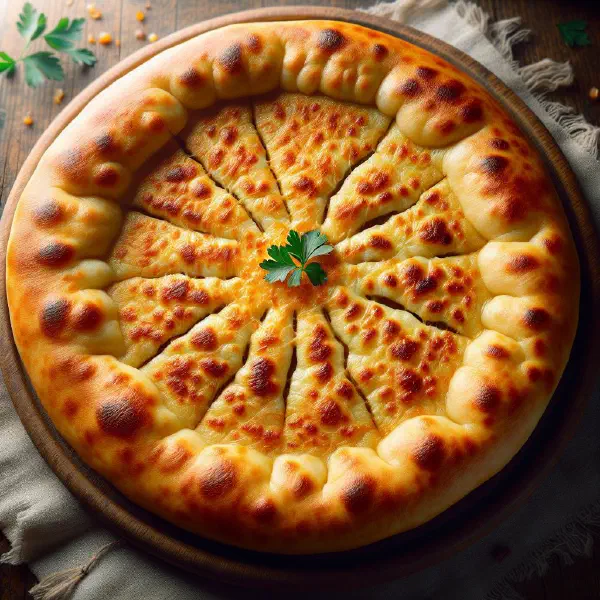
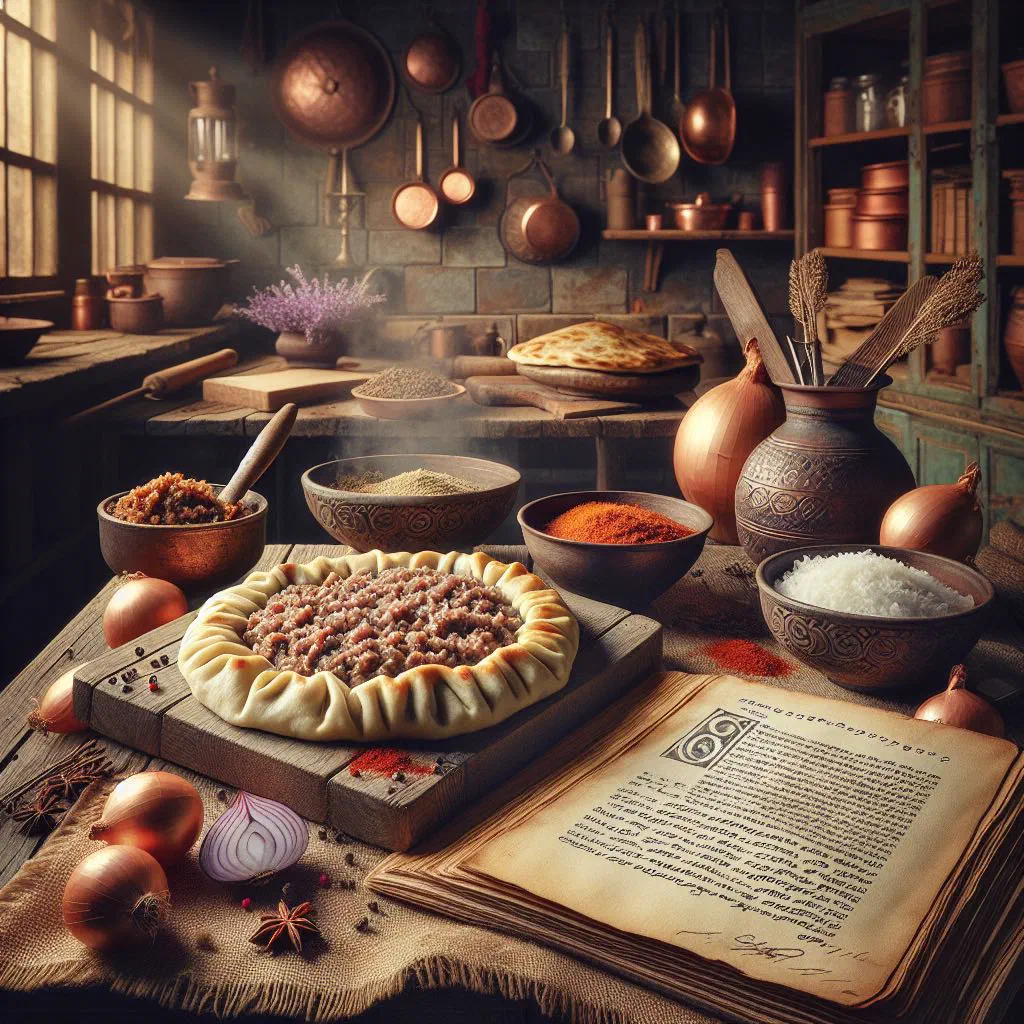
Discover Kubdari, the gloriously savoury stuffed flatbread that comes down from the mountain villages of Svaneti in northern Georgia. Beneath its golden, blistered crust hides a filling of juicy meat, sweet onions and warming spices that fills the whole kitchen with its scent. It is equally at home as a proper main course or as something to tear apart with friends over a glass of wine, a bread that carries all the generosity of the Georgian table.
About Kubdari
Georgian cuisine is famous for its variety and its hearty, full-flavoured dishes, and kubdari is one of the finest examples of it. This speciality comes from the picturesque mountain region of Svaneti and is enormously popular right across the country. The flatbread is traditionally filled with a well-seasoned mixture of juicy minced meat, onions and aromatic spices. It works as a main dish, but it is just as good as a portable snack, bringing a slice of Georgian joie de vivre straight to the plate.
Ingredients (serves 1–2)
- 300 g plain flour
- 150 ml water
- 1 teaspoon salt
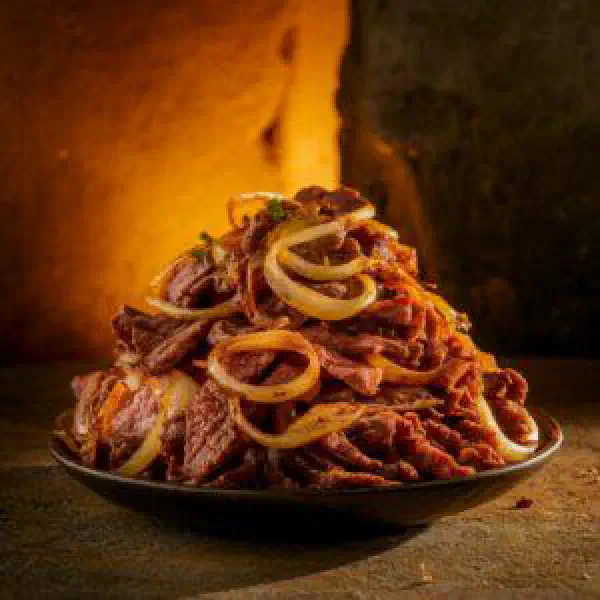
- 250 g minced meat (beef or lamb)
- 1 large onion
- 1 teaspoon paprika
- 1 teaspoon black pepper
- 1 teaspoon ground cumin
- 2 tablespoons oil
Shopping for the ingredients
Shopping for kubdari takes only a little planning. Fresh ingredients are what bring the best flavour out of this dish. Look for good-quality minced meat, since it is the main component and shapes the character of the finished bread more than anything else. Do not forget fresh onions and whole spices, as these are what give kubdari its unmistakable taste. A butcher who minces to order is well worth the short detour.
Preparing the dish
Begin with the dough, combining the flour, water and salt thoroughly in a large bowl. Knead until the dough is smooth and elastic, then leave it to rest for around 30 minutes so the gluten can relax and the dough becomes easy to roll. While it rests you can get on with the filling, which gives the spices time to mingle with the meat and the onions and develop their full aroma.
Step-by-step instructions
- Roll out the dough and divide it into four equal pieces.
- Combine the minced meat with the finely chopped onion, paprika, pepper and cumin.
- Place a portion of the filling in the centre of each piece of dough.
- Fold the edges of the dough over the filling and seal them firmly.
- Heat the oil in a frying pan and cook the filled breads for 10–15 minutes, turning so both sides colour evenly.
Gluten-free / lactose-free version
If you are after a gluten-free option, make the dough with a gluten-free flour blend and check that the remaining ingredients are free from gluten as well. For a lactose-free version, simply use plant-based oils rather than butter throughout the preparation. Either way you can carry on enjoying kubdari without giving up any of its fragrant, spiced character, much like the naturally dairy-free bean breads served alongside Lobio.
Tips for vegans and vegetarians
For a vegan version of kubdari, the minced meat can be replaced with a mixture of grilled vegetables, lentils or crumbled tofu. Adjust the spicing accordingly to keep the flavour bold, since plant-based fillings need a slightly heavier hand with the seasoning. The result is a thoroughly satisfying bread that stays true to the spirit of kubdari while meeting plant-based dietary needs. With the right spice mix, a vegetarian kubdari is every bit as rewarding as the original.
More tips and tricks
Making kubdari becomes far more interesting once you start experimenting with the filling. Adding cheese or extra spices is an easy way to vary the taste, and the frying time can be adjusted to make the flatbread crisper or softer depending on what you prefer. Keep the heat moderate so the dough cooks through before the outside darkens too far. There really are no limits here, treat the recipe as a starting point rather than a rulebook.
Adapting the recipe to your taste
Tailor the recipe to your own preferences by adding hot chillies for extra heat, for instance, or by combining different kinds of meat in the filling. Playing with spices such as marjoram or thyme can take the dish in new directions, as can a pinch of the classic Georgian blend used in Utskho Suneli. Give your creativity free rein to build a version that suits you exactly while still preserving the essential character of kubdari.
Ingredient substitutions
If you would rather not use minced meat, plant-based mince and similar vegetarian alternatives work very well in this bread. Smoked ingredients are a good choice if you want a deeper, more savoury flavour without meat. Should you find yourself short of plain flour, oat flour makes a workable substitute and gives you a gluten-free result at the same time. Have a look through the fridge, creative substitutions are often closer to hand than you think.
Drink pairing ideas
A hearty dish such as kubdari calls for a glass of Georgian wine. A dry red is an excellent companion that stands up to the spiced filling and lifts the flavour of the bread, and a chilled white in the style of Tsinandali does the job just as elegantly. Robust beers also harmonise nicely with the warming spices. For alcohol-free options, homemade lemonades or fruit juices make a refreshing choice.
Serving and presentation ideas
To present kubdari attractively, arrange the flatbreads on a handsome wooden board and cut them into generous wedges so the filling is visible. Add fresh herbs or a small selection of dips to round out the display. Serve it alongside crisp salads, which bring both colour and a welcome freshness to the plate. A thoughtful arrangement lifts the whole eating experience and immediately draws the attention of your guests.
A bit of history
Kubdari has its roots in the rural, mountainous region of Svaneti, where cooking has always been bound up with hospitality and community. The dish embodies the simple but warm-hearted culinary traditions of the Georgian highlands, where hard winters made filling, portable food a necessity. It was traditionally prepared for festive occasions and family gatherings, which is why it remains a symbol of Georgian hospitality and a proud part of Georgian cuisine. That history lends every bite an extra dimension.
More recipe ideas
Summary: Kubdari
Kubdari is a very special dish that gathers up the flavours and traditions of Georgian cuisine in a single parcel of bread. With its hearty filling of meat, onions and spices wrapped in a crisp, golden crust, it suits almost any occasion. Kubdari offers a flavour experience you will not confuse with anything else. Let Georgian cooking work its magic and bring a touch of Georgian joie de vivre into your own kitchen.