National Dish Georgia: Lobiani (Recipe)
In this article
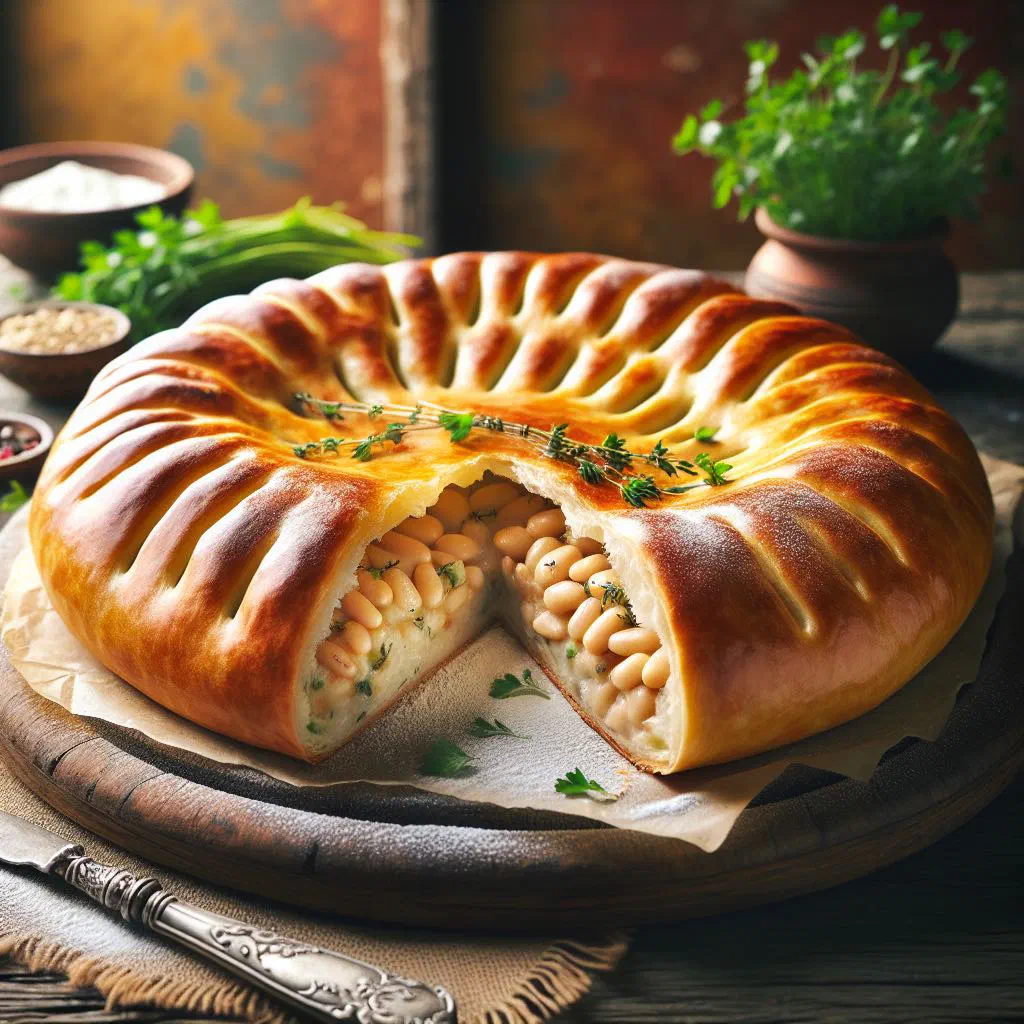
Discover Lobiani, the savoury bean bread that Georgians reach for whenever comfort is on the menu. Soft, pillowy dough wraps a warmly spiced filling of beans and onions, and the whole thing turns beautifully golden in the pan. It is humble, filling and full of character, equally at home as a mid-afternoon snack or as the centrepiece of a relaxed supper. One bite and you will understand why this bread has stayed on Georgian tables for generations.
About Lobiani
Lobiani is a traditional Georgian dish that wins people over with its hearty bean filling and its wonderfully soft, fluffy dough. The combination of black beans, onions and a handful of warm spices makes it particularly aromatic. It is most often served as a snack, but it holds its own as a main course too. Thanks to its adaptable method, lobiani is delicious and an ideal way to get to know the rich, generous cooking of Georgia.
Ingredients (serves 1–2)
- 250 g plain flour
- 125 ml water
- 150 g black beans, cooked
- 1 onion, finely chopped
- 2 tablespoons oil
- 1 teaspoon cumin
- Salt and pepper, to taste
Shopping for the ingredients
When shopping for lobiani, look out for fresh vegetables and good-quality beans. The black beans can be either dried or tinned, though freshly cooked beans give noticeably more flavour. The flour matters just as much for the texture of the dough; plain wheat flour delivers the best results. If you shop at an international grocer, you may also come across specialist Georgian ingredients that make the dish taste even more authentic.
Preparing the dish
To get the most out of lobiani, start by rinsing the beans thoroughly and pre-cooking them if needed. While the beans simmer away, you can already make a start on the dough. Mix the flour with the water and knead until smooth, then leave it to rest for around 30 minutes so it turns supple. That resting time is what gives the bread its characteristic fluffiness, the same patience that pays off with Tonis Puri, the country’s classic clay-oven loaf.
Step-by-step instructions
- Fry the onion in oil until golden brown.
- Add the cooked beans and season with cumin, salt and pepper.
- Roll out the dough on a floured surface and cut it into circles.
- Spoon a little of the bean filling into the middle of each circle.
- Fold the edges of the dough over and press firmly so the filling cannot escape.
- Bake the filled parcels in a pan over medium heat until golden brown.
Gluten-free / lactose-free version
If you would like a gluten-free version of lobiani, you can use alternative flours such as almond or rice flour. These behave similarly in the dough, though they do shift the flavour slightly. Check too that the beans come without additives, in case any of them contain lactose. Adjustments like these make lobiani accessible to anyone with particular dietary needs.
Tips for vegans and vegetarians
Lobiani is easily turned into a vegan and vegetarian dish. Simply use oil rather than butter during preparation, since butter is a common addition in many versions of the recipe. The filling of beans, onions and spices is already vegan, so the dough is the only thing to keep an eye on. Vegetarians might enjoy making the dough with plant-based milk instead of water for a richer flavour.
More tips and tricks
One useful tip is to make the filling first, before you tackle the dough. That gives the flavours time to mingle and deepen. Take care not to roll the parcels too thick, so they cook through evenly. Pressing the edges with a fork gives a neater finish and helps keep the filling inside. Play around with the spices to bring lobiani in line with your own preferences.
Adapting the recipe to your taste
The lobiani recipe is easy to adjust to personal preference. Add peppers or other vegetables to the filling for extra texture and flavour, or stir in cheese for something richer, the trick behind the famously indulgent Khachapuri. It can also be fun to try different herbs such as thyme or oregano to give the dish your own signature.
Ingredient substitutions
If you do not have all of the ingredients above to hand, there are a few alternatives you can turn to. Instead of black beans, kidney beans or white beans work well, much as they do in a classic Lobio. For the dough, spelt flour gives a slightly different flavour. Olive oil is an excellent substitute for other oils if you fancy a Mediterranean note. Swaps like these let you adapt lobiani to whatever is in the cupboard without losing any of the flavour.
Drink pairing ideas
Traditional Georgian wines or herbal teas make fine companions for lobiani, complementing its flavours beautifully. A light red wine suits the heartier taste of the bean bread and rounds off the whole experience. For non-alcoholic options, lemonade or sparkling water with fresh herbs both work nicely. These drinks bring a refreshing balance to a satisfying, filling dish.
Serving and presentation ideas
Thoughtful presentation can lift lobiani considerably. Serve the parcels on a large platter and garnish with soft fresh cheese or a green salad for contrast. Scattering fresh herbs over the top adds colour, and rustic plates underline the traditional character of the dish while creating an authentic atmosphere at the table.
A bit of history
Lobiani has a long history in Georgia and is often linked to regional feast days. Originally known as a farmhouse dish, households valued the simplicity of the ingredients and the ready availability of local produce. It reflects both the regional diversity and the warm hospitality of Georgian culture, qualities you also find in the celebratory Satsivi. Over time, lobiani has found its place in modern restaurants too, both at home and abroad, a proud ambassador for Georgian cuisine.
More recipe ideas
Summary: Lobiani
Lobiani is a flavourful, traditional dish offering a wonderful range of tastes and textures. With its soft, fluffy dough and savoury filling, it is a firm favourite across Georgia. Whether it appears as a snack or as a main course, lobiani lets anyone enjoy a slice of Georgian culture and hospitality. Give the recipe a try and let the delicious world of Georgian cooking win you over.