National Dish Georgia: Matsoni (Recipe)
In this article
Discover Matsoni, the creamy cultured yoghurt that has been a staple of Georgian tables for centuries. Made from nothing more than goat’s or cow’s milk and a spoonful of living culture, it is thick, gently tangy and packed with probiotics. Serve it as a cooling dip, stir it into sauces, or simply eat it by the spoonful, few things are easier to make at home, and few reward you so generously.
About Matsoni
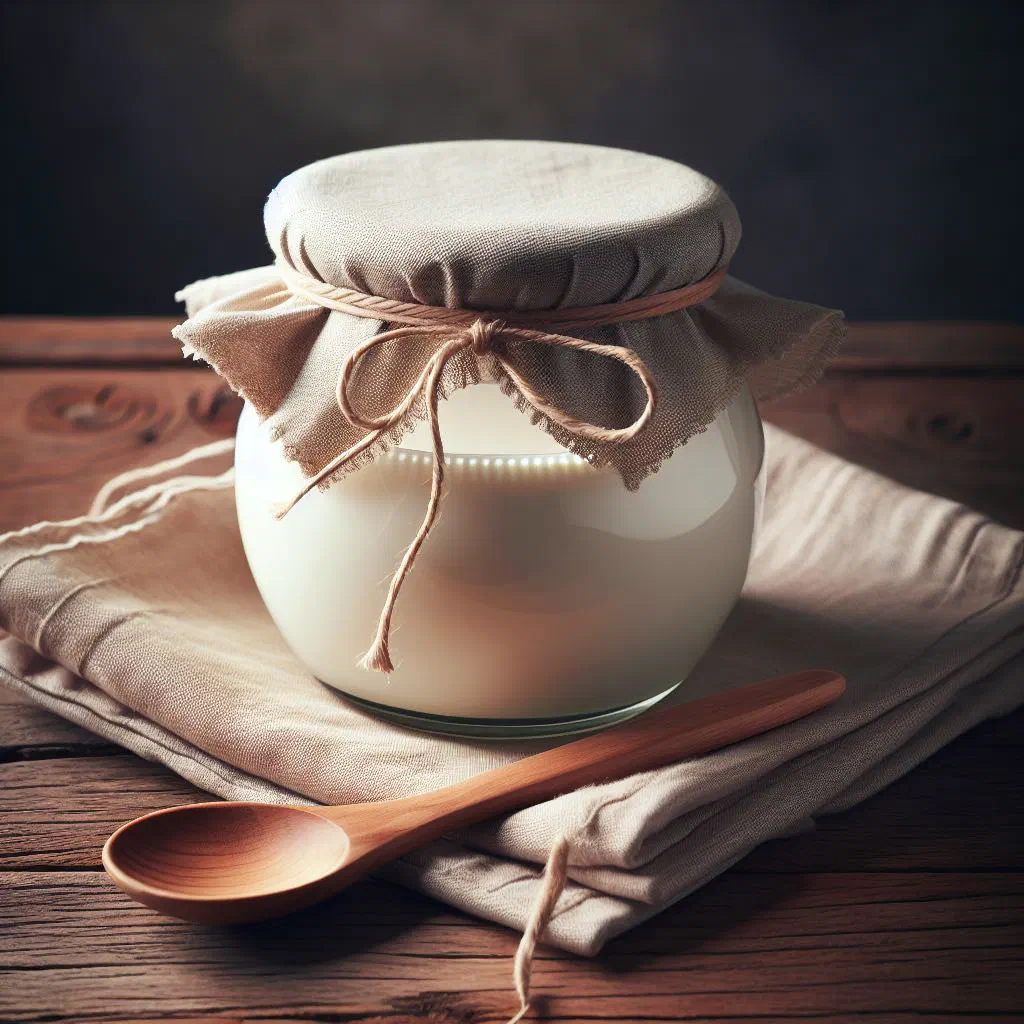
Matsoni is a traditional Georgian yoghurt made from goat’s or cow’s milk. This delicious speciality has been part of the country’s kitchens for centuries and counts among Georgia’s best-loved national dishes. Matsoni is distinguished by its creamy texture and its mild, faintly sour flavour. It is remarkably versatile, good as a dip, as the base of a sauce, or eaten plain as a refreshing snack.
Ingredients (serves 1–2)
- 500 ml goat’s or cow’s milk
- 1–2 tablespoons matsoni, or another live yoghurt, as a starter culture
- A pinch of salt
- Optional: fresh herbs such as dill or coriander
Shopping for the ingredients
When shopping for matsoni, aim for the freshest milk you can find. As the main ingredient it determines the flavour almost entirely, and whether you choose goat’s or cow’s milk comes down to personal taste. Local markets and organic shops are good places to look for quality produce. It is equally worth picking a good live yoghurt as your starter culture, since this shapes both the fermentation and the finished flavour.
Preparing the dish
Preparing matsoni is refreshingly simple and takes only a few steps. First, warm the milk to around 40–45°C to create the ideal conditions for fermentation. Take care not to let it boil, as that would kill off the useful bacteria. While the milk cools, set out your ingredients and equipment so the process runs smoothly from start to finish.
Step-by-step instructions
- Heat the milk to 40–45°C and then leave it to cool slightly.
- Stir 1–2 tablespoons of matsoni or another live yoghurt into the cooled milk as a starter culture.
- Mix gently so the culture is spread evenly throughout.
- Cover the bowl with a cloth or a lid and leave it somewhere warm (around 24–30°C) for 6–12 hours.
- The matsoni should now be set. Stir it carefully and transfer it to the fridge.
Gluten-free / lactose-free version
Matsoni is naturally gluten-free, since it calls for nothing but milk and a yoghurt culture. For a lactose-free version, simply use lactose-free milk. Plant-based alternatives such as oat or almond milk also work, though bear in mind that both the texture and the taste will shift depending on which milk you choose.
Tips for vegans and vegetarians
Vegans can make matsoni using plant-based yoghurt alternatives. Coconut milk or soya yoghurt enriched with probiotics both work well for achieving the fermentation you are after. Make sure the products you use are unsweetened and free of added flavourings. The result is a wholesome, inventive version that delivers much the same pleasure as the traditional recipe.
More tips and tricks
Playing with different herbs and spices is an easy way to lift the aroma of your matsoni. Try it with garlic, chives or a little paprika for interesting variations. Keep matsoni in the fridge to preserve its freshness and enjoy it over several days. It also makes an excellent base for dressings and marinades, much like the herb-rich sauces served with Mtsvadi.
Adapting the recipe to your taste
Matsoni is a highly adaptable recipe that leaves plenty of room to suit your own palate. If you prefer it sweeter, stir in a teaspoon of honey or agave syrup. For a savoury version, fold through grated cheese or fried onions. It sits beautifully alongside warm Mchadi.
Ingredient substitutions
If you have no goat’s or cow’s milk to hand, other milks are worth trying. Almond, soya or even rice milk can be used, though the consistency of the finished product will differ. For a more pronounced tang, look for probiotic yoghurt cultures from a health food shop. Every one of these alternatives leads to its own delicious take on matsoni.
Drink pairing ideas
Matsoni goes happily with a wide range of drinks. A refreshing Georgian wine or a glass of fresh mint tea rounds the dish off perfectly. For something alcohol-free, try sparkling water with lemon or a light fruit cocktail. These all strike a pleasing balance against the creamy, gently sour notes of the yoghurt.
Serving and presentation ideas
Presentation can raise the whole matsoni experience. Serve the yoghurt in brightly coloured bowls and garnish with fresh herbs such as dill or parsley. A drizzle of olive oil or a scattering of good nuts adds another attractive touch, the same trick that makes Nigvziani Badrijani so striking. Keep the colours of your ingredients lively and inviting to make the dish stand out.
A bit of history
Matsoni has its origins in ancient Georgian culture and has been made in Georgian households for centuries. Using yoghurt as a way of preserving milk goes back a very long way indeed. Within Georgian cuisine, matsoni is valued as food and as a remedy. The health benefits of this fermented staple have carried its reputation well beyond Georgia’s borders.
More recipe ideas
Summary: Matsoni
Matsoni is a versatile and flavourful Georgian speciality made from fresh milk and a yoghurt culture. With its creamy consistency and mild, gently sour taste, it enriches any kitchen it enters. Used as an ingredient in sauces or enjoyed on its own, it offers pleasure and genuine health benefits in equal measure. Experiment with different methods and enjoy everything matsoni has to offer.