National Dish Georgia: Tsinandali (Recipe)
In this article
Meet Tsinandali, a bright, herb-flecked Georgian speciality that turns a handful of simple ingredients into something quietly spectacular. Soft Georgian cheese is folded through parsley, dill and coriander with garlic, paprika and a squeeze of lemon — no cooking required, just good produce and a few minutes of chopping. It is the sort of dish that appears on a Georgian table almost by instinct: generous, fragrant and made for sharing.
About Tsinandali
Tsinandali is one of Georgia’s culinary gems, a dish that wins over locals and visitors alike. It brings together the flavours of the region in a preparation that feels unmistakably Georgian. The combination of tender cubes of cheese and a mix of freshly picked herbs and spices creates a flavour experience you will not find anywhere else. Eaten in a traditional Georgian restaurant, Tsinandali becomes a feast for the senses — and a taste of the famous warmth and hospitality of the Georgian table.
Ingredients (serves 1–2)
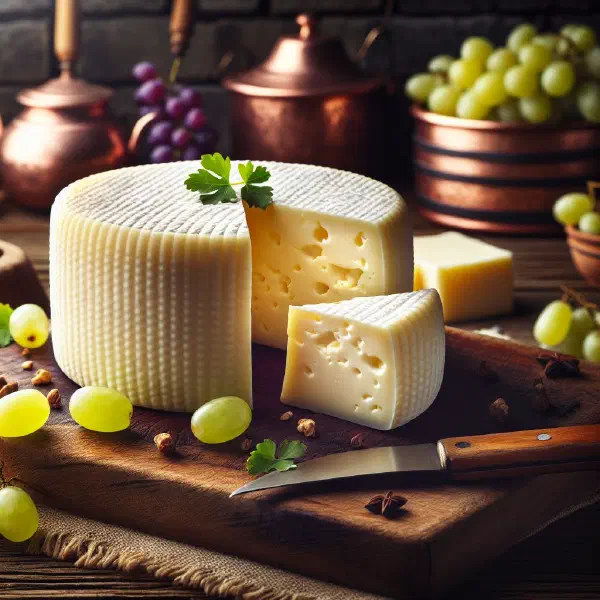
- 200 g Georgian cheese (Sulguni, for example)
- 50 g fresh herbs (parsley, dill, coriander)
- 1–2 garlic cloves, finely chopped
- 1 tsp paprika
- 2 tbsp olive oil
- Salt and pepper to taste
- A squeeze of lemon juice
Shopping for the ingredients
To make an authentic Tsinandali, sourcing the right ingredients matters. Head to a local market or a Georgian grocery to find fresh Georgian cheese — it carries the flavour the whole dish rests on, and the same Sulguni that appears in so many other classics. Choose the freshest, best-quality herbs you can find, since they make a considerable difference to the aroma. Gathering the ingredients is not just a practical step; it is the beginning of a culinary adventure.
Preparing the dish
Preparation is the key to a perfect Tsinandali. Make sure everything is laid out and ready before you begin. Wash the herbs thoroughly and chop them finely so their full aroma is released. The fresh garlic and the spices should be prepared at the same time, since they enrich the flavour and lift the dish into something special.
Step-by-step instructions
- Cut the Georgian cheese into small cubes and put them in a bowl.
- Add the fresh herbs, chopped garlic, paprika, olive oil, lemon juice, salt and pepper.
- Mix everything together well until the ingredients are evenly combined.
- Arrange the mixture on a plate and garnish with a few extra herbs if you like.
- Serve warm or at room temperature.
Gluten-free / lactose-free version
Tsinandali is easy to prepare gluten-free and lactose-free. The main component, the cheese, can simply be swapped for a lactose-free version so the dish suits anyone with an intolerance. It is naturally gluten-free anyway, as no gluten-containing products go into it. Just check that the spices and oils you use are certified gluten-free as well.
Tips for vegans and vegetarians
For a vegan version of Tsinandali, replace the cheese with a plant-based alternative. There are plenty of excellent vegan cheeses made from nuts or soya that come remarkably close in flavour and texture. The herbs and spices stay exactly as they are, so the aromatic character of the dish is fully preserved. The result is something both vegans and vegetarians can enjoy, and it still reflects the spirit of Georgian cooking — much like the walnut-rich Pkhali.
More tips and tricks
Small adjustments can make Tsinandali even better. Experiment with different spices to suit your own palate, and remember that the choice of herbs alone can shift the flavour profile considerably. A squeeze of fresh lemon just before serving adds a welcome lift. Letting the mixture rest for ten minutes also helps the garlic and herbs infuse the cheese more deeply.
Adapting the recipe to your taste
Every kitchen has its own preferences, and Tsinandali is no exception. Some people like to add a sharper edge with a pinch of chilli or pepper flakes. Others prefer to round the mixture out with a small pinch of sugar. Do not hesitate to experiment with the ingredients until the dish tastes exactly the way you want it to.
Ingredient substitutions
If certain ingredients are not available, there are plenty of alternatives that work well in Tsinandali. Instead of Georgian cheese, try other soft cheeses such as feta or ricotta, which harmonise just as nicely. If fresh herbs are hard to come by, dried herbs will do as a stand-in, though the flavour will shift slightly. Adjust the quantities accordingly, as dried herbs are more concentrated than fresh ones.
Drink pairing ideas
Several drinks complement the flavour profile of Tsinandali beautifully. A lightly chilled Georgian white wine such as Mtsvane or Rkatsiteli is the perfect choice for drawing out the aromas. For a non-alcoholic option, a homemade herbal tea makes a refreshing accompaniment, as does a glass of tangy Matsoni. Experiment with different pairings to find the combination you like best.
Serving and presentation ideas
Presentation can raise the whole Tsinandali experience. Serve the dish on a traditional Georgian plate to strengthen the cultural feel of the meal. Add fresh herbs as a garnish to emphasise the colour and freshness. A well-arranged plate does not only catch the eye — it whets your guests’ appetites too. Warm Tonis Puri alongside makes it a complete spread.
A bit of history
Tsinandali is more than a dish; it carries a piece of Georgian history with it. The name comes from one of the region’s best-known wine estates, celebrated for its long tradition and its excellent wines. The dish belongs to Georgian cuisine, widely regarded as one of the oldest and most varied in the world. The combination of fresh ingredients and traditional methods reflects that rich culture and history — the same lineage that gave us Khinkali and Khachapuri.
More recipe ideas
- Khinkali — dumplings filled with spiced meat
- Khachapuri Imeruli — the classic Georgian cheese bread
- Chanakhi — a hearty vegetable and lamb stew
- Nigvziani Badrijani — aubergine rolls with walnut filling
- Pkhali from Spinach — vegetable paste with walnuts and herbs
Summary: Tsinandali
Tsinandali is a delicious, aromatic dish from Georgia that wins you over with its combination of tender cheese, fresh herbs and warm spices. It is straightforward to make and calls for only a handful of ingredients, which makes it an excellent choice for just about any occasion. Whether you serve it at a festive dinner or as a simple lunch, Tsinandali delivers a flavour experience that captures the spirit of Georgian hospitality. Let the variety of Georgian cooking work its magic and discover the fascinating world of Tsinandali for yourself.