National Dish Georgia: Zgapari (Recipe)
In this article
Meet Zgapari, a warm-hearted Georgian classic that turns a handful of humble ingredients into something quietly remarkable. Tender potatoes meet sweet softened onion, plenty of garlic and a generous shower of fresh dill and parsley, all lifted by a spoonful of sweet paprika. It is the sort of dish that fills a kitchen with a wonderful smell long before anyone sits down, and it belongs equally on a weeknight table and at a long, convivial Georgian feast.
About Zgapari
Zgapari is a traditional Georgian dish that wins people over with its unusual combination of tender potatoes, warming spices and armfuls of fresh herbs. It comes originally from the rural parts of Georgia, and it reflects the rich culinary heritage and sheer variety of the country’s cooking. This is far more than a simple potato dish: it is also a favourite companion to all manner of meat and fish courses. Making Zgapari brings a distinctly Mediterranean brightness into the cosy homes of the Caucasus.
Ingredients (serves 1–2)
- 400g potatoes
- 1 onion
- 2–3 cloves of garlic
- Fresh herbs (dill, parsley)
- 2 tablespoons olive oil
- Salt and pepper to taste
- 1 teaspoon sweet paprika
Shopping for the ingredients
Everything you need for Zgapari is available in most supermarkets, particularly in the fresh vegetable and spice aisles. Do take care to pick the freshest potatoes you can find, because the quality of the potatoes shapes the finished dish more than anything else. Local markets are often an excellent choice for fresh herbs and other regional produce. And don’t overlook the spices, a good, fragrant paprika makes all the difference to the final aroma.
Preparing the dish
Getting Zgapari ready is refreshingly straightforward and takes only a few basic steps. Begin by peeling the potatoes and cutting them into evenly sized pieces so they cook through at the same rate. The onion and garlic can be finely chopped at the same time, which helps their flavours come through more intensely. Save the fresh herbs until the very end so their bright, green character is not lost to the heat.
Step-by-step instructions
- Bring the peeled and diced potatoes to the boil in a pan of salted water.
- Sauté the onion and garlic in a frying pan with olive oil until translucent.
- Drain the potatoes and add them to the pan with the onion and garlic.
- Season with paprika, salt and pepper and stir everything together well.
- Add the fresh herbs and fry it all together for a few more minutes.
Gluten-free / lactose-free version
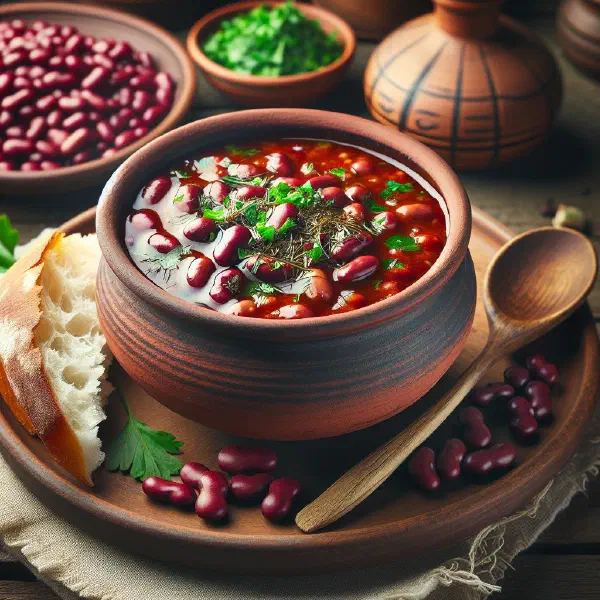
Zgapari is naturally gluten-free and lactose-free, since it is built almost entirely from potatoes and vegetables. When buying spices, simply check the labels for hidden gluten-containing fillers. That makes it an excellent choice for anyone living with a food intolerance. Sticking to fresh, unprocessed ingredients guarantees the dish stays suitable at all times, much as it does with a simple bean stew such as Lobio.
Tips for vegans and vegetarians
Zgapari is already a thoroughly vegan-friendly option, as it contains no animal products at all. For vegetarians it makes a wonderful side dish or a light main course, happily paired with salads or other vegetable plates. Adding further vegetables such as peppers or carrots pushes the nutritional value higher still. It is also worth playing with different herb mixtures to shift the flavour in new directions.
More tips and tricks
When you cook Zgapari, give your creativity free rein. Experiment with different spices, or add cheese if you would rather have a non-vegan version, a soft, briny sulguni works beautifully here. The cooking time for the potatoes varies with the size of the pieces, so it pays to check them regularly. A squeeze of lemon juice over the finished dish brightens the flavour and adds an extra note of freshness.
Adapting the recipe to your taste
Zgapari takes very kindly to personal preference. If you like a bit of heat, red chilli flakes give the dish a pleasant kick. For a Mediterranean turn, olives or feta make an interesting variation. The choice of spices can shift as well, so there is plenty of room to bring in your own favourites.
Ingredient substitutions
If you have no potatoes to hand, sweet potatoes or even pumpkin work well as the base. These alternatives bring not only a different flavour but extra nutrients too. In the same way, the fresh herbs can be swapped for dried ones depending on the season, though you should adjust the quantity so they do not overwhelm the dish. That flexibility lets you build the meal around whatever your store cupboard holds.
Drink pairing ideas
Zgapari sits very happily alongside a refreshing drink. A glass of Georgian wine, a red in particular, harmonises perfectly with the savoury character of the dish. If you are after something alcohol-free, sparkling mineral water with a squeeze of lemon is a fine choice. A fruity cocktail or a home-brewed hibiscus tea would round the whole experience off nicely too.
Serving and presentation ideas
Thoughtful presentation can lift the Zgapari experience considerably. Serve it in a handsome, colourful bowl and garnish it with fresh herbs for an inviting look. A few lemon slices on the side are decorative and also let each guest adjust the seasoning. Remember to serve the dish warm so the aromas show at their best, perhaps with warm Tonis Puri for mopping the pan.
A bit of history
Zgapari has its roots in traditional Georgian cooking and mirrors the culture and values of the Georgian people. The use of fresh, local ingredients speaks of a close connection to the land and the seasons. In Georgia, eating is above all a culture of sharing, so Zgapari is not merely a dish but a symbol of hospitality and long evenings in good company. It is cooked in countless households for special occasions and remains a fixture of Georgian cuisine.
More recipe ideas
- Chakapuli — an aromatic herb-scented stew
- Khinkali — juicy filled dumplings
- Nigvziani Badrijani — aubergine rolls with walnut filling
- Khachapuri — cheese bread in many regional forms
- Mtsvadi — vine-wood grilled skewers
Summary: Zgapari
Zgapari is a hearty and thoroughly delicious dish that captures the flavours and aromas of the Georgian kitchen. With simple ingredients and only a few steps, it is easy to make for occasional cooks and seasoned chefs alike. The recipe’s flexibility invites endless small adjustments to suit individual taste. Zgapari is certain to be a hit at your next gathering.