National Dish Ghana: Abenkwan (Recipe)
In this article
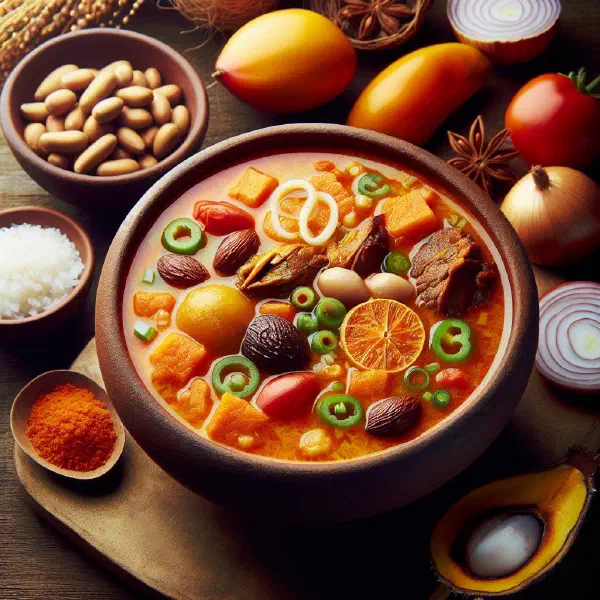
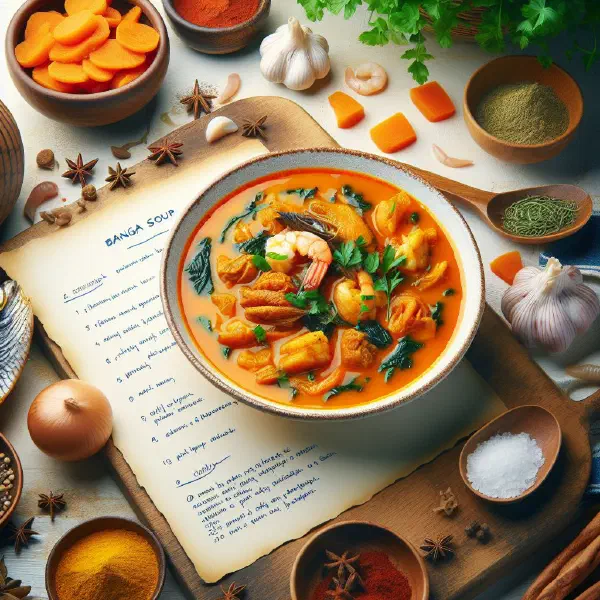
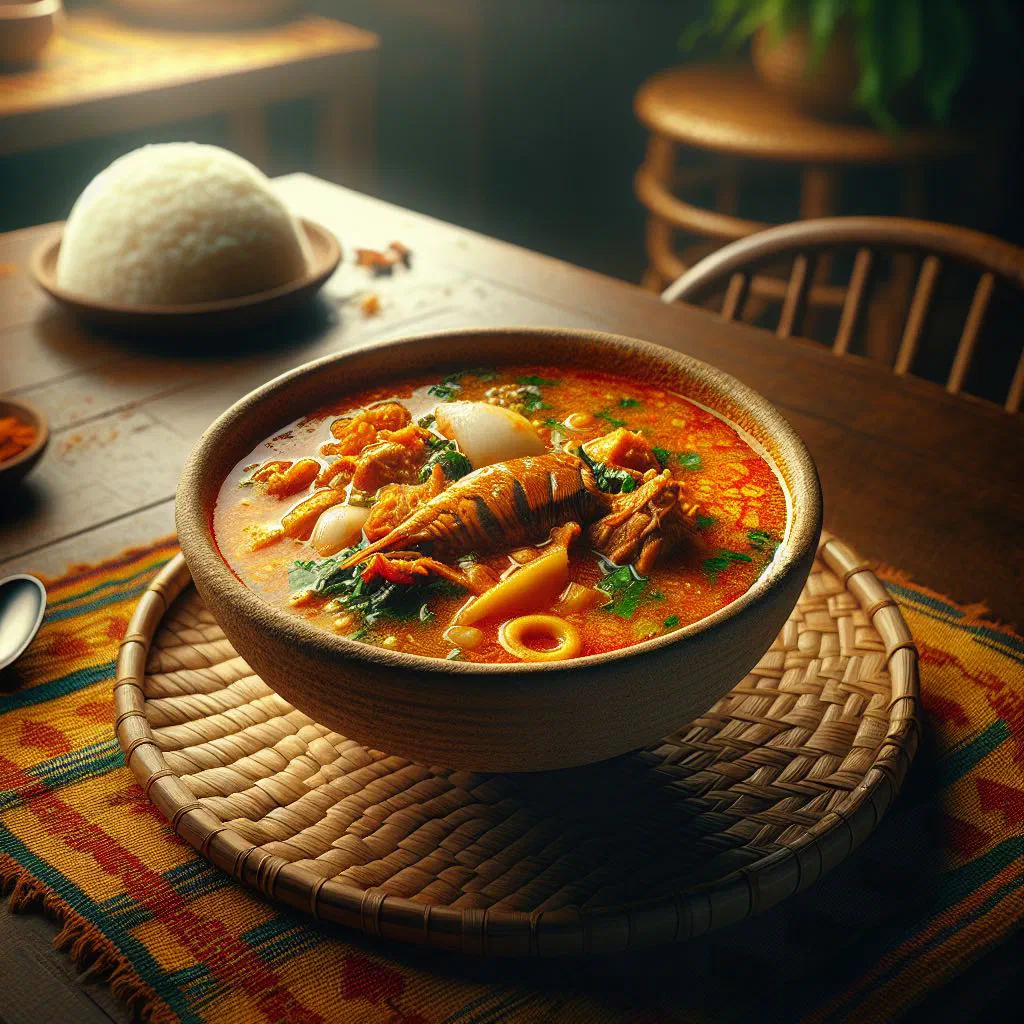
Meet Abenkwan, one of Ghana’s most cherished comfort dishes, a rich, deep-red palm nut soup built around the fruit of the oil palm. Slow-simmered with your choice of meat, aromatic ginger and fresh chillies, it is hearty, warming and full of character. Often reserved for family gatherings and special occasions, this is a soup that draws people together around the table to share good food and celebrate the flavours of West Africa.
About Abenkwan
Abenkwan is a traditional Ghanaian dish, celebrated for its bold flavours and its warm, sociable preparation. At its heart are juicy palm nuts, which lend the soup its unmistakable colour and depth and pair beautifully with a range of meats. It is often served at special occasions or during family celebrations, being both delicious and genuinely nourishing. Cooking Abenkwan brings people together to honour the traditions of Ghana and to enjoy the wonderful aromas of its kitchen.
Ingredients (serves 1–2)
- 200g palm nuts
- 300g meat (chicken or beef)
- 1 onion
- 2 cloves of garlic
- 1 piece of ginger
- 2–3 fresh chillies
- Salt and pepper, to taste
- Water (about 1 litre)
- Fresh herbs (such as parsley or coriander)
Shopping for the ingredients
The right ingredients make all the difference to a good Abenkwan. Visit your local market or supermarket to pick up fresh palm nuts and good-quality meat. Make sure the palm nuts are fresh and unprocessed, as they have a considerable influence on the flavour of the soup. Choosing fresh vegetables and herbs is just as important, helping the aromas of the dish come through at their best.
Preparing the dish
Before you start cooking Abenkwan, take a little time to prepare all the ingredients carefully. The onion, garlic and ginger need to be peeled and finely chopped so their aromas can develop fully. Wash the chillies and cut them into pieces. Getting this groundwork done means the cooking process runs smoothly and the different components come together without any fuss.
Step-by-step instructions
- Boil the palm nuts in water for about 15 minutes until soft.
- Drain the water and blend the nuts to a smooth, creamy paste.
- Heat a little oil in a large pot and sauté the chopped onion, garlic and ginger.
- Add your chosen meat and brown until golden.
- Stir in the chillies and the palm paste and mix well.
- Pour in about a litre of water, bring to the boil, then reduce the heat.
- Let the soup simmer for at least 30 minutes so the flavours have time to meld.
- Season with salt, pepper and fresh herbs, then serve.
Gluten-free / lactose-free version
Abenkwan is naturally gluten-free and lactose-free, which makes it an ideal dish for anyone with those intolerances. When shopping, just check that none of your ingredients contain hidden gluten. The combination of meat and fresh vegetables keeps the dish nourishing and wholesome, so everyone can enjoy a delicious bowl of Abenkwan without a second thought.
Tips for vegans and vegetarians
For a vegan or vegetarian version of Abenkwan, simply leave out the meat and swap in plant-based proteins such as tofu or seitan. These alternatives provide the substance you need and offer a similar texture. Using vegetable stock in place of meat stock helps deepen the flavour further. With these easy tweaks, vegans and vegetarians can enjoy this delicious dish too.
More tips and tricks
To make your Abenkwan even tastier, try adding different spices to vary the flavour. Cumin or paprika, for example, are excellent additions that lend the soup an extra layer of depth. It is also important to let the soup cook long enough so the flavours properly merge together. Experiment a little to find your own favourite version of Abenkwan.
Adapting the recipe to your taste
The beauty of Abenkwan is how easily it adapts to personal preference. Feel free to try different vegetables, or even other kinds of meat, to create a version that is entirely your own. Just make sure the ingredients you choose complement one another, so the dish keeps its characteristic flavour. That way you can vary the soup to suit your own taste and dietary needs.
Ingredient substitutions
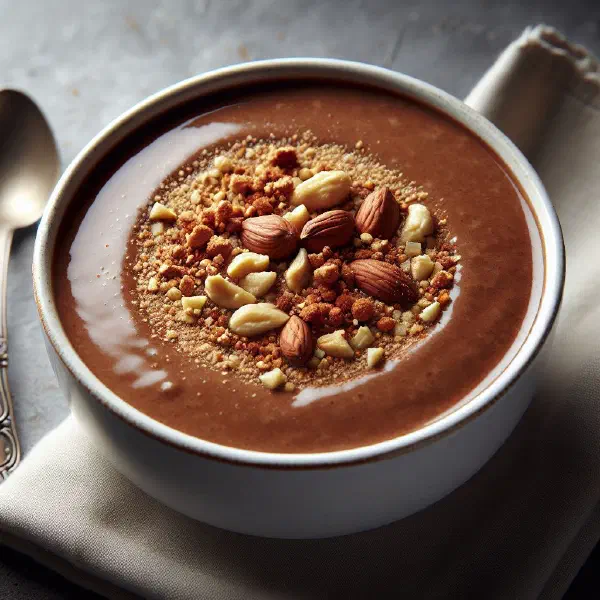
If you do not have every ingredient to hand, there is no need to worry. Instead of palm nuts you can use coconut milk to create a creamy base, much as you would for a Palm Nut Soup or a nut-rich Groundnut Soup. In place of meat you might reach for pulses, which are high in protein and add plenty of flavour. Different vegetables, such as courgette or carrot, can bring an exciting new twist to the pot too. Abenkwan remains a treat, whatever adaptations you make.
Drink pairing ideas
To round off the Abenkwan experience, a number of drinks work beautifully. Cool, refreshing drinks such as hibiscus tea or freshly pressed juice pair wonderfully with this hearty soup. Alternatively, a glass of crystal-clear water lets the flavour of the soup take centre stage. Whatever you choose, make sure the drink complements the meal without distracting from it.
Serving and presentation ideas
Presentation can be key to the whole Abenkwan experience. Serve the soup in attractive bowls and garnish it with fresh herbs for an inviting look. You might also add some crackers or flatbread on the side, perfect for dipping. Little touches like these make the dish not only delicious but visually appealing too.
A bit of history
Abenkwan is deeply rooted in Ghanaian culture. The dish has been passed down through the generations and reflects local agriculture, which relies heavily on the harvest of palm fruit. Both the method of preparation and the ingredients vary from region to region, with each family guarding its own secrets. Abenkwan brings people and cultures together, showcasing the variety and richness of Ghanaian cuisine.
More recipe ideas
Summary: Abenkwan
In short, Abenkwan is an experience, one that captures the delicious flavours and traditions of Ghana. With the right preparation and enthusiastic hosts, this soup can become the highlight of any meal and warm the hearts of your guests. Abenkwan is sure to become a firm favourite in your own kitchen.