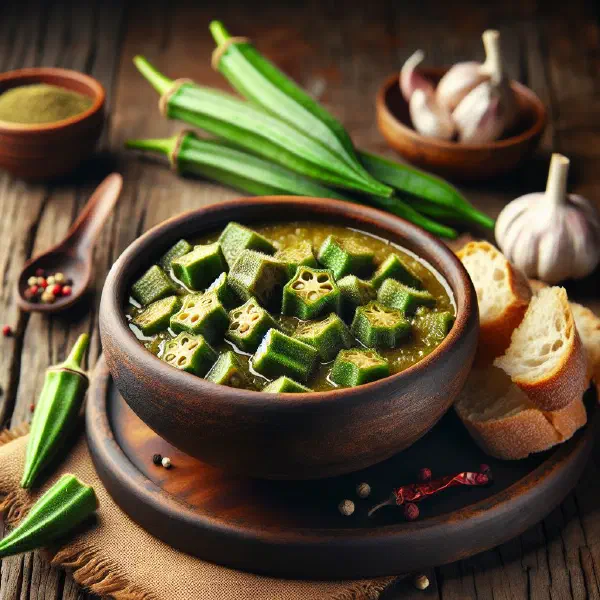
National Dish Ghana: Agushie Stew (Recipe)
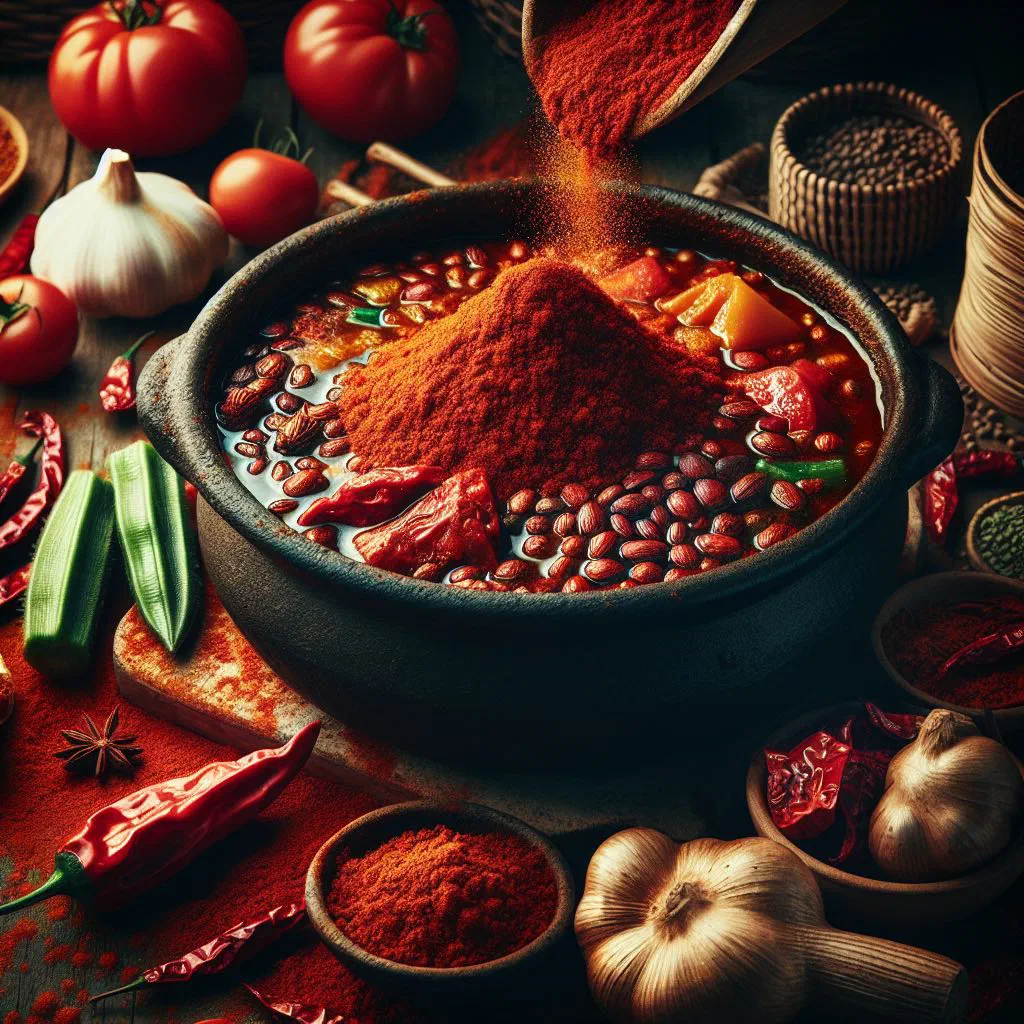
In this article
Discover Agushie Stew, a wonderfully nourishing speciality from Ghana built around ground melon seeds. Toasted and worked into a rich purée, the seeds lend the dish a nutty depth and a hearty, protein-packed base, while fresh tomatoes, peppers and warming spices round everything out. Comforting yet full of character, it captures the generous, communal spirit of West African cooking, and it comes together beautifully in your own kitchen, served over rice or with a soft mound of fufu.
About Agushie Stew
Agushie Stew is a much-loved speciality of Ghanaian cuisine, prized for its distinctive combination of flavours and textures. It is made chiefly with melon seeds, which are first toasted and then ground into a fine purée. This one ingredient gives the dish both its characteristic taste and a deeply nutritious foundation. The stew is usually rounded out with a variety of vegetables and spices, which makes it an especially versatile dish that suits many tables.
Ingredients (serves 1–2)
- 100g toasted melon seeds
- 1 onion, diced
- 2 tomatoes, diced
- 1 pepper, diced
- 1–2 fresh chillies, to taste
- 1 tsp cumin
- Salt and pepper, to taste
- 2 tbsp oil, for frying
- Water, as needed
Shopping for the ingredients
To make a truly delicious agushie stew, it is worth sourcing your ingredients from an African or Asian grocery. Melon seeds are not stocked everywhere, and the quality can vary, so look for seeds that are fresh and of good quality. This makes a real difference to the final flavour. The vegetables can be bought fresh at a local market or supermarket. The fresher the produce, the better the result.
Preparing the dish
Preparing agushie stew is refreshingly simple and comes down to washing and chopping the fresh ingredients. Start by dicing the onion, tomatoes and pepper into small pieces. If you are using fresh chillies, remove the seeds for a milder heat. It is also worth having some water to hand, as you may need a little to bring the stew to just the consistency you like.
Step-by-step instructions
- Heat the oil in a pan and sweat the onion until it turns translucent.
- Add the diced tomatoes and pepper and fry for a few minutes.
- Stir in the melon-seed purée along with the spices (cumin, salt, pepper) and mix everything together well.
- Add water as needed to reach the consistency you want, then let the stew simmer gently over a low heat.
- Serve the agushie stew hot with rice or fufu.
Gluten-free / lactose-free version
Agushie stew is naturally both gluten-free and lactose-free, which makes it a great choice for anyone with these particular dietary needs. Do check the oils and spices you use, however, to be sure they contain no additives that might introduce gluten or lactose. On the whole, Ghanaian cuisine is remarkably adaptable and offers plenty of options for a range of diets.
Tips for vegans and vegetarians
Agushie stew is an excellent option for vegans and vegetarians, as it is rich in plant-based protein and nutrients. If you want to make it even more nourishing, add extra vegetables such as carrots or sweet potatoes. Be sure to use plant-based oils to keep the dish fully vegan. You can also bulk it out with chickpeas or lentils for a protein-packed meal, much like a hearty Bambara Beans Porridge.
More tips and tricks
If you would like to take your agushie stew a step further, a few handy tips go a long way. Experiment with different spices to fine-tune the flavour, thyme or smoked paprika, for instance, bring a lovely smoky note. A splash of coconut milk adds a creamy texture that is especially delicious. Above all, let the stew simmer for a while so the flavours can develop fully: the longer it cooks, the more intense the taste becomes.
Adapting the recipe to your taste
Agushie stew is easy to adapt to different tastes. You can dial the heat up or down by adjusting the amount of chilli, or add a range of vegetables to vary the dish. If you prefer a heartier, meatier flavour, smoked sausage or ham can be stirred in to give the stew a deeper savoury note. Just take care to balance the ingredients so everything works in harmony.
Ingredient substitutions
If some of the traditional ingredients are hard to come by, there is no need to worry. You could, for example, replace the melon seeds with sun-dried tomatoes for a sweet, savoury depth. Frozen vegetables work well in place of fresh ones and save time, too. Be creative and adapt the recipe to what is available and to your own preferences, a spirit you will also find in a warming Egusi Soup.
Drink pairing ideas
A range of drinks pairs nicely with an aromatic agushie stew, both supporting its flavours and balancing the heat of the dish. A cool lager or a fruity wine goes beautifully with the bold flavours. If you would rather stay alcohol-free, fresh fruit juices or a homemade iced tea make a refreshing accompaniment. Experiment to find the drink that suits you best.
Serving and presentation ideas
A thoughtful presentation is key to making agushie stew even more enjoyable. Serve it in colourful bowls that pick up the bright tones of the dish. Garnish with fresh herbs such as coriander or parsley for an extra splash of colour. Appealing sides such as rice or fufu complete a meal that looks as good as it tastes.
A bit of history
Agushie stew has its roots in traditional Ghanaian cuisine, known for its rich flavours and varied ingredients. Melon seeds have been valued for centuries as a compact source of energy and feature in many West African dishes. The stew reflects the culture of Ghana and is often enjoyed in convivial gatherings. Every region, and every family, has its own version of the recipe, which makes the dish all the more special. Serve it alongside a plate of Jollof Rice for a truly festive spread.
More recipe ideas
Summary: Agushie Stew
Agushie stew is a flavourful, nourishing dish that perfectly represents the variety of Ghanaian cuisine. The pairing of melon seeds, fresh vegetables and warming spices makes for a truly memorable eating experience. The stew is wonderfully versatile and easy to adapt to different tastes. Bring a little piece of Africa into your own kitchen with this delicious recipe.