National Dish Ghana: Banku with Okra Stew (Recipe)
In this article
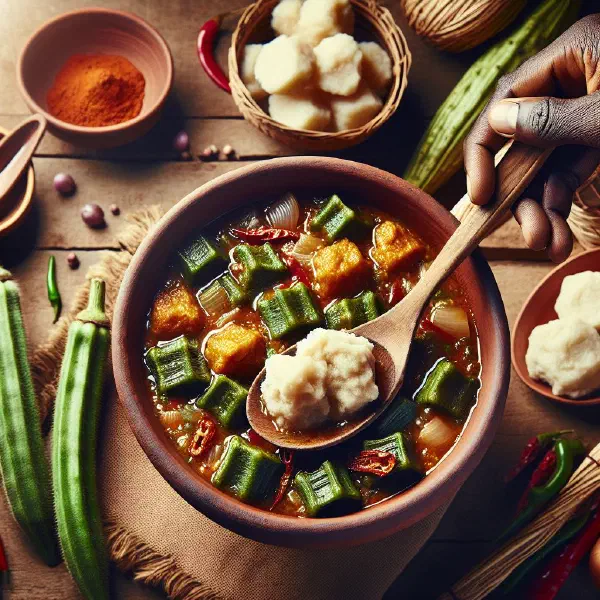
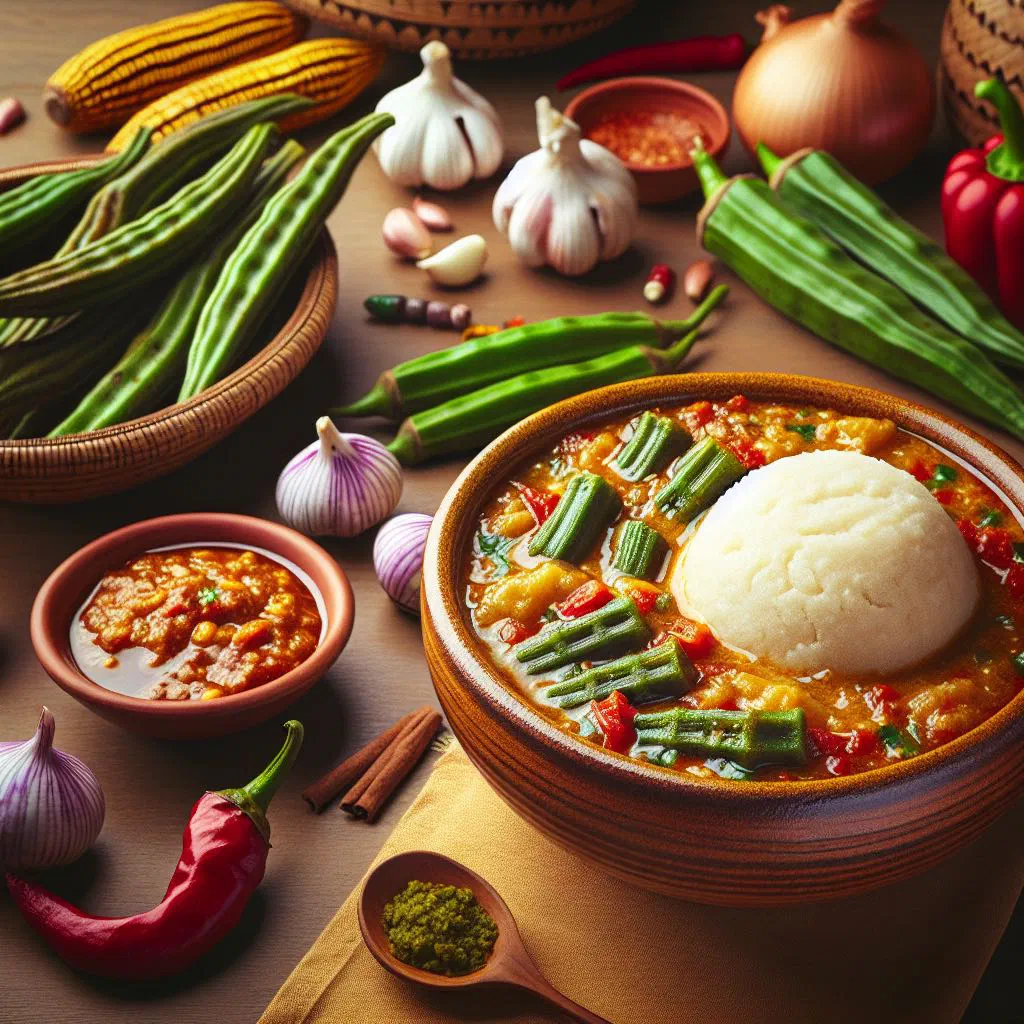
Meet Banku with Okra Stew, one of Ghana’s most cherished comfort meals. Soft, tangy dough made from fermented corn and cassava is paired with a rich, glossy stew built around fresh okra, tomatoes and fiery chillies. The gentle sourness of the banku plays beautifully against the deep, savoury warmth of the okra stew, creating an authentic taste of West Africa that appeals to the senses. Bring the flavours of a Ghanaian kitchen straight to your own table.
About Banku with Okra Stew
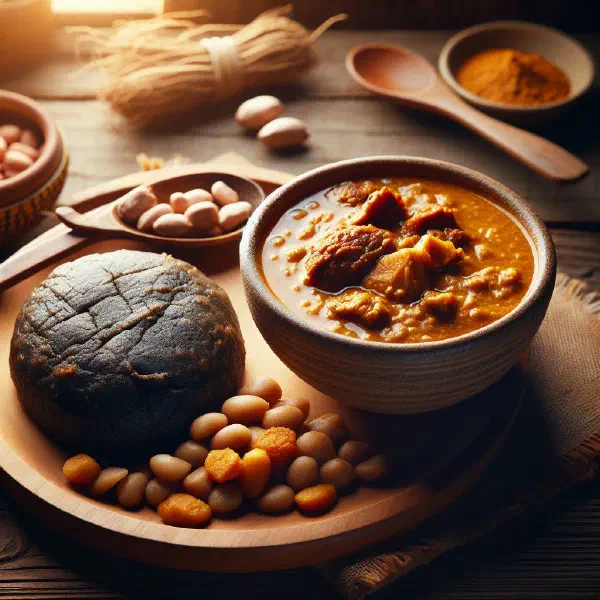
Banku with okra stew is a traditional Ghanaian dish loved by locals and visitors alike. Banku is made from fermented corn and cassava, which gives it a unique, smooth texture and a pleasant tang. The dough is most often served as an accompaniment, rounded out by the spicy, aromatic okra stew ladled generously alongside. Together these two components deliver an authentic taste experience that charms the senses and pleases the palate, much like the beloved Okra Stew enjoyed across the country.
Ingredients (serves 1–2)
- 250 g fermented corn flour
- 100 g cassava flour
- 500 ml water
- 200 g fresh okra
- 1 onion, chopped
- 2 tomatoes, diced
- 1–2 fresh chillies (to taste)
- 2 tablespoons palm oil or vegetable oil
- Salt and pepper to taste
- Spices of your choice (e.g. garlic, ginger)
Shopping for the ingredients
The ingredients for banku and okra stew are available in most African and Asian grocery shops. Be sure to buy fermented corn flour and fresh okra, as these are the ingredients that give the dish its authentic flavour. If you cannot find fresh okra, frozen okra works just as well. Don’t hesitate to seek out local markets for the freshest produce, which will lend your dish extra depth of flavour.
Preparing the dish
Before you begin cooking, it is important to weigh out and prepare all of your ingredients. This calls for a little basic groundwork, such as washing and slicing the okra and dicing the onion and tomatoes. You should also measure out the water for the banku in advance. Good preparation is the key to a smooth cooking process and to getting the very best from your finished dish.
Step-by-step instructions
- Bring the water to the boil in a pan, slowly stirring in the fermented corn flour and cassava flour.
- Stir constantly until you have a smooth and non-sticky consistency.
- Let it simmer over low heat for about 20–30 minutes, stirring continuously.
- In a separate pan, heat the oil and sauté the onion until translucent.
- Add the tomatoes, diced okra and chillies, mix everything well and let it simmer for around 10 minutes.
- Season with salt, pepper and any other spices of your choice.
- Arrange the banku on plates and spoon the okra stew over the top.
Gluten-free / lactose-free version
Banku on its own is naturally gluten-free, as it is made purely from corn and cassava flour. This makes it a great option for anyone with a gluten intolerance. Just be sure that all of the spices and ingredients you use are also gluten-free to avoid any cross-contamination. The okra stew is likewise lactose-free and lends itself wonderfully to a vegan diet.
Tips for vegans and vegetarians
For vegans, using vegetable stock or adding extra vegetables to the okra stew is a great way to boost the nutritional content. You might add carrots or sweet potatoes, for example, for more flavour and texture. If palm oil goes against your ethical convictions, simply reach for another plant-based oil instead. This dish is naturally nourishing and adapts easily to a range of dietary needs.
More tips and tricks
To get the texture of the banku just right, add the flour slowly to the boiling water to prevent lumps from forming. Use a wooden spoon to stir the mixture thoroughly, which helps you achieve a smooth, even consistency. It is also worth experimenting with different spice blends to adjust the aroma of the stew and tailor it to your own preferences.
Adapting the recipe to your taste
This recipe is very flexible and easy to adapt to personal preference. You can vary the number of chillies to dial the heat up or down, or add extra spices to intensify the flavour. Experiment with the texture of the okra by cooking it a little more or a little less. You can even change the ratio of the flours to alter the consistency of the banku itself.
Ingredient substitutions
If you cannot find fermented corn flour, you can use a different corn flour, though this may bring about a slight change in the overall flavour. In place of palm oil, rapeseed or sunflower oil work well too. For the okra stew, feel free to add other vegetables such as courgette or leafy greens for more variety and extra nutrients, the same generous, veg-forward approach you’ll find in a hearty Kontomire Stew.
Drink pairing ideas
A range of drinks pairs beautifully with banku and okra stew. A cool beer is a popular choice, as it balances the heat of the chillies. Alternatively, you could serve a fresh fruit juice or a mango smoothie for a refreshing touch. If you prefer non-alcoholic options, a comforting herbal tea makes a welcome companion to this delicious dish, as does a chilled glass of Sobolo.
Serving and presentation ideas
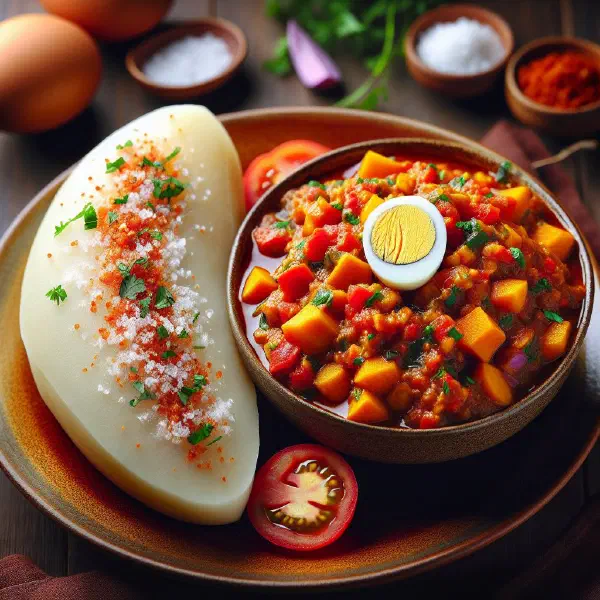
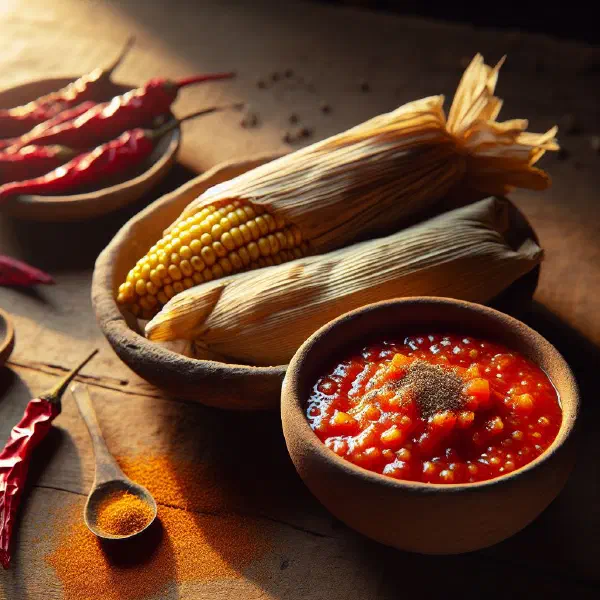
To present your dish attractively, arrange the banku in the centre of a large plate and spoon the okra stew generously over the top. Fresh herbs such as coriander or parsley can be used as a garnish to add colour and aroma. Serve the dish with a small bowl of salsa or a spicy sauce so guests can adjust the flavour to their liking. A wooden serving board or a woven basket lends the meal an extra touch of authenticity.
A bit of history
Banku is an old dish that originated in Ghana and is popular among various ethnic groups, particularly the Ewe and the Akan. It is traditionally served on special occasions and at festivals. Okra stew also has a long history and is prepared in many variations across West Africa. These dishes reflect the rich culinary traditions of Ghanaian cuisine and are closely tied to the country’s agriculture and cultural heritage.
More recipe ideas
Summary: Banku with Okra Stew
Banku with okra stew is a delicious and nourishing dish that perfectly unites the flavours and traditions of Ghana. Its straightforward preparation and versatility make it a wonderful choice for any occasion, inviting you to experiment with different ingredients and variations. Let this cultural delicacy inspire you and enjoy a taste of West Africa in your very own kitchen.