National Dish Ghana: Cassava Dough Bread (Recipe)
In this article
Meet Cassava Dough Bread, a wonderfully simple staple that carries the warmth of Ghanaian home cooking. Made from the humble cassava root, these soft, pillowy dough balls are the perfect partner for rich sauces and hearty stews. With just a handful of everyday ingredients and a little patience at the stove, you can bring a genuine slice of West African comfort food to your own table.
About Cassava Dough Bread
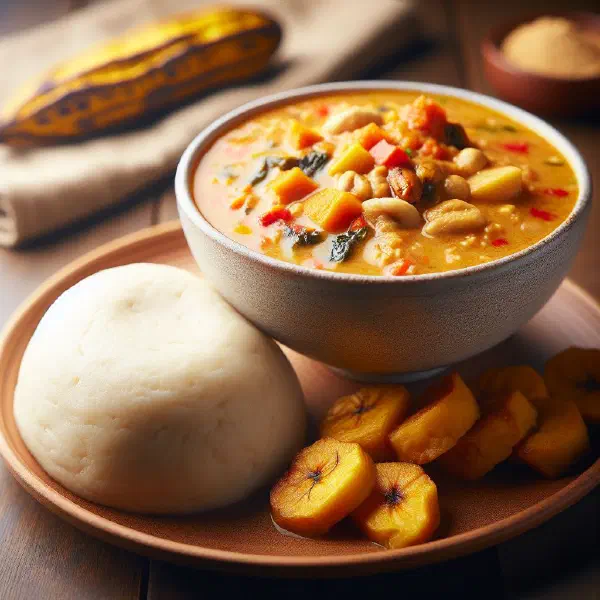
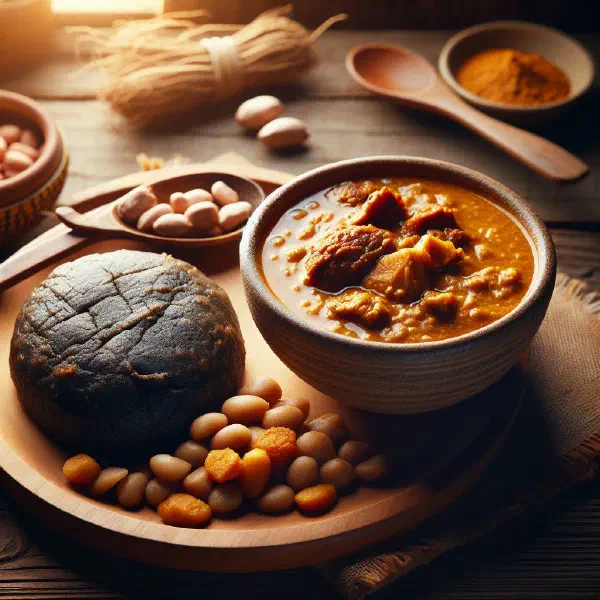
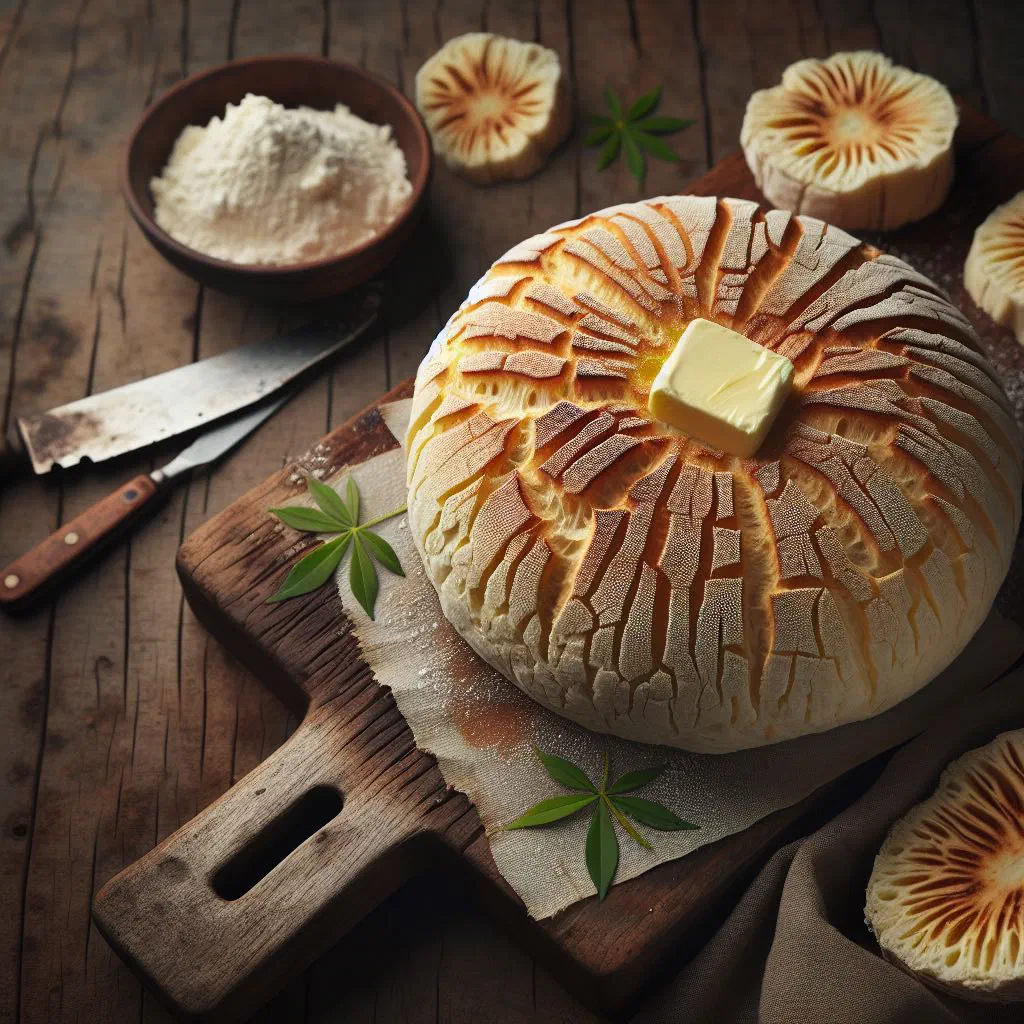
Cassava Dough Bread, sometimes known as fufu or kokonte, is a traditional dish from Ghana celebrated for its versatility and its savoury character. Made from the tropical cassava root, it is a firm favourite not only in Ghana but right across West Africa. This soft dough is the ideal companion to a wide range of sauces and stews, offering a tender texture that rounds out every mouthful. The preparation is refreshingly straightforward and calls for only a few basic ingredients, making it a practical choice for any meal.
Ingredients (serves 1–2)
- 250 g cassava flour
- 300 ml water
- 1 pinch of salt
- 1 tablespoon vegetable oil (optional)
Shopping for the ingredients
The star ingredient, cassava flour, can be found in most African and Asian grocery shops. You can also often source it from online retailers that specialise in international ingredients. It is worth paying attention to the quality of the flour to make sure it is fresh and has the right consistency. Beyond the cassava flour, the remaining ingredients should be easy to find and are stocked by most ordinary supermarkets.
Preparing the dish
Before the Cassava Dough Bread can be made, it is important to get the ratio of water to flour just right. The correct dough consistency ensures the bread holds together during cooking rather than falling apart. Gather all your ingredients and measure them out carefully to achieve the best result. Preparation is the first step towards a perfect dish, so take your time to get everything ready with care.
Step-by-step instructions
- Tip the cassava flour into a bowl and add the salt.
- Slowly pour in the water while stirring constantly until a smooth dough forms.
- Divide the dough into even portions and shape them into small balls.
- Bring a pan of water to the boil and drop in the dough balls.
- Cook the balls for around 10–15 minutes, until they are firm and cooked through.
- Lift the bread out of the water, let it drain, and brush lightly with vegetable oil if you like.
Gluten-free / lactose-free version
Cassava Dough Bread is naturally gluten-free and lactose-free, which makes it an excellent choice for anyone with those intolerances. The recipe uses no dairy products, so vegans can enjoy it without a second thought. You can lift the flavour of the bread further with a few spices or herbs, so there is never any sense of missing out. Savour the many ways this dish lets you put healthy, tasty food on the table.
Tips for vegans and vegetarians
For vegans and vegetarians, Cassava Dough Bread is ideal, since it contains no animal products at all. It pairs beautifully with a variety of vegetables and pulses to build a fully rounded meal. A side of spicy sauces or fiery stews such as a warming Kontomire Stew also works wonderfully and makes for a truly satisfying plate. Experiment with different aromas and ingredients to shape the dish exactly to your liking.
More tips and tricks
To get the very best result when making Cassava Dough Bread, make sure the water is properly heated before you add the dough balls. This helps the bread cook evenly and reach the right consistency. You can also work spices or herbs into the dough as you mix it to create extra layers of flavour. It helps to keep an eye on the cooking time from the outset so you avoid over- or undercooking.
Adapting the recipe to your taste
The recipe for Cassava Dough Bread is remarkably adaptable. If you prefer a crisp texture, for instance, you can pan-fry the dough after boiling. For a more intense flavour, various spices or even a little garlic can be added. The variations are almost endless and let everyone tailor the dish to their own personal preferences.
Ingredient substitutions
If cassava flour is unavailable, you can turn to alternative flours such as rice flour or chickpea flour, though the result will vary slightly. The water can also be swapped for vegetable stock to add extra flavour. When using other oils or fats, take care that your chosen ingredient sits well with the taste of the dish. By bringing in creative alternatives, you keep the recipe exciting and versatile, much like the reinventions you find in a batch of Fried Cassava Balls.
Drink pairing ideas
A refreshing drink is a superb match for a traditional dish like Cassava Dough Bread. In Ghana, palm wine or a spicy Ginger Beer are often served, and both make a delicious accompaniment. For an alcohol-free option, a fresh juice of pineapple or mango works beautifully.
Serving and presentation ideas
The presentation of Cassava Dough Bread matters just as much as the flavour. Serve the bread on a rustic wooden board to create a warm and welcoming impression. Round out the display with a selection of colourful vegetable salads or sauces to heighten the visual appeal. A scattering of fresh herbs as a garnish can also help make the dish look livelier and more appetising.
A bit of history
Cassava Dough Bread has a long tradition in West African cooking and has been treasured by the people of Ghana for generations. Cassava, a root crop, is an important food source and a testament to the resourcefulness of the Ghanaian people. The making and sharing of this dish are closely tied to Ghanaian culture and play a meaningful role in social gatherings. The sharing of food and the sense of community are central threads of this tradition, one that runs through so much of Ghanaian cuisine.
More recipe ideas
Summary: Cassava Dough Bread
Cassava Dough Bread is a delicious and versatile dish from Ghana that is easy to prepare. Thanks to its gluten-free and lactose-free qualities, it suits a great many people. With a wide choice of sides and sauces, it can be adapted to individual tastes. The savoury flavour and tender texture make this recipe a treat for the whole family and bring a piece of West African joie de vivre straight into your kitchen.