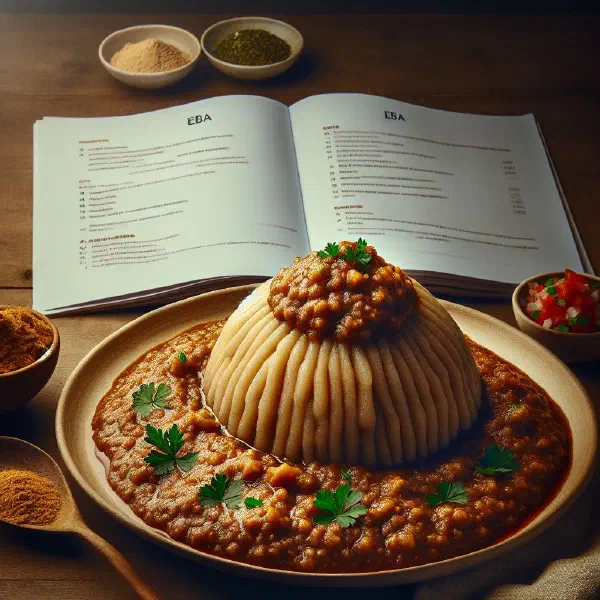
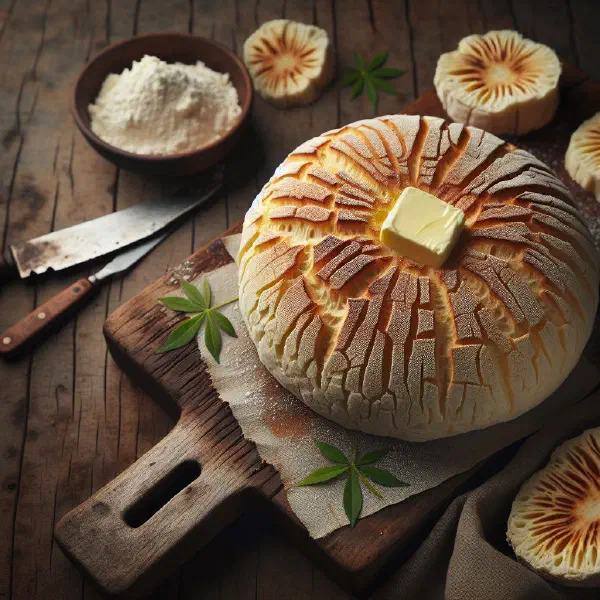
National Dish Ghana: Cassava Fufu (Recipe)
In this article
Discover Cassava Fufu, a much-loved staple of Ghanaian cooking. Made from the starchy cassava root, this smooth, stretchy dish is the perfect partner for a hearty soup or stew. Its velvety texture and gentle flavour let the accompanying dishes shine, making it a firm favourite at family tables across West Africa. Bring a taste of the region into your own kitchen with this simple, satisfying classic.
About Cassava Fufu
The traditional dish Cassava Fufu is a cherished national favourite in Ghana, made from the starchy cassava root. It has a wonderfully smooth and elastic texture that makes it the ideal accompaniment to a wide range of soups and stews. Not only is it filling, it is also remarkably versatile and pairs beautifully with all sorts of sides. Fufu is a fine example of the rich culinary culture of West Africa, shaped by many different traditions and ingredients.
Ingredients (serves 1–2)
- 500 g cassava root (fresh or frozen)
- Water (for boiling)
- A pinch of salt (optional)
Shopping for the ingredients
The main ingredient for Cassava Fufu is the cassava root, which you will find in many Asian or African grocery shops. Frozen cassava root can sometimes also be found in well-stocked supermarkets. When buying, look for roots that are fresh and firm. This guarantees a better flavour and the smooth, elastic texture you want in your finished fufu.
Preparing the dish
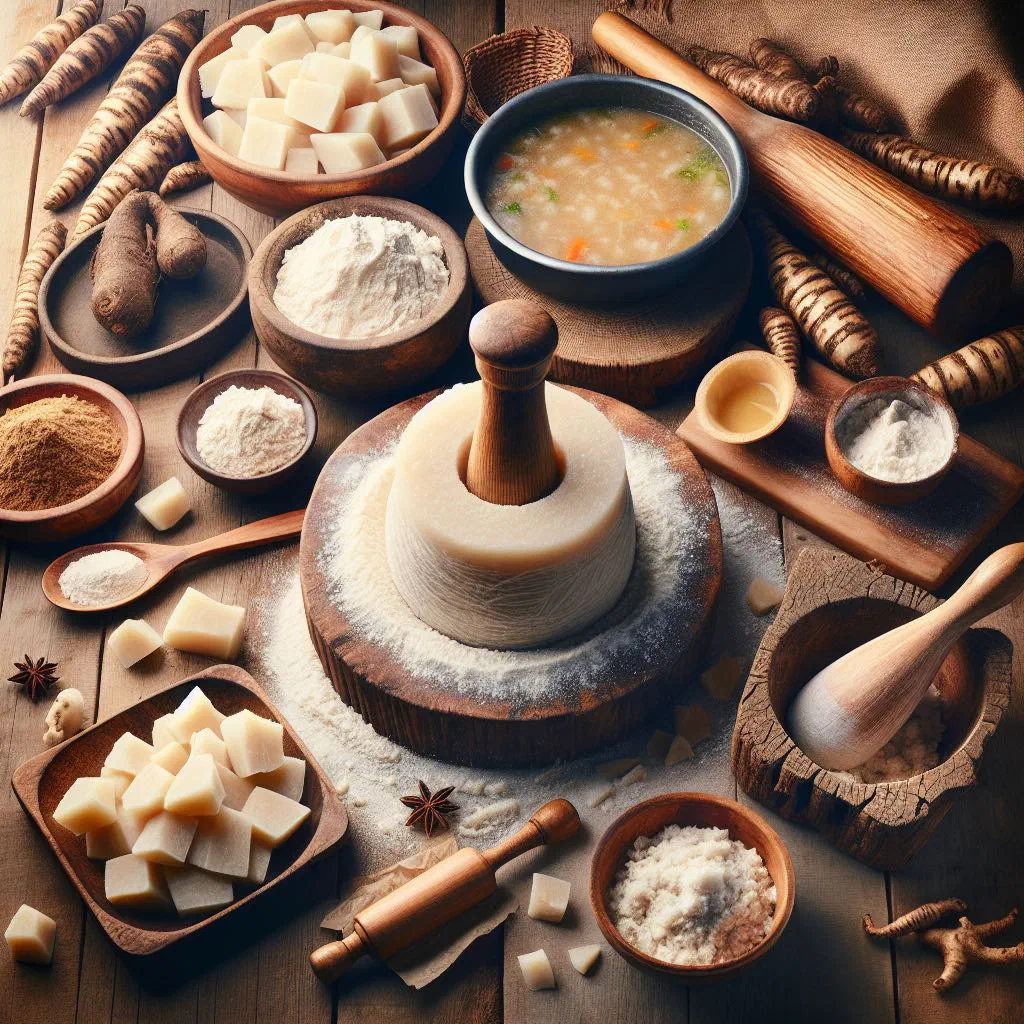
To prepare Cassava Fufu, the roots first need to be washed thoroughly and peeled. Removing the outer skin is essential, as it is not edible. Once peeled, cut the roots into small pieces to shorten the cooking time. This bit of groundwork helps the roots cook evenly and makes the rest of the process much easier.
Step-by-step instructions
- Cut the peeled cassava roots into small pieces and place them in a pan.
- Add enough water to cover the roots and bring it to the boil.
- Boil the cassava for about 20–30 minutes, until the pieces are soft.
- Drain off the water and let the roots cool briefly.
- Pound the cooked cassava with a mortar and pestle or blend it in a powerful mixer until you have a smooth mass.
- If needed, add a pinch of salt and mix everything together well.
- Shape the fufu into small portions and serve it hot with your favourite soup or stew.
Gluten-free / lactose-free version
One of the great advantages of Cassava Fufu is that it is naturally gluten-free and lactose-free. That makes it an excellent choice for anyone with special dietary needs. Just check the rest of your meal to make sure no gluten- or lactose-containing ingredients sneak in, especially when you serve the fufu alongside other dishes. That way you can be confident you are enjoying a pure and wholesome plate of food.
Tips for vegans and vegetarians
Cassava Fufu is an excellent dish for vegans and vegetarians, since it is made entirely from the cassava root. To make it even more nourishing, pair it with a hearty vegetable or lentil soup, the same comforting spirit you will find in an Okra Stew. Be sure to use plant-based stocks or bouillons to build the flavour you want. Fufu also works well with a variety of vegan sauces and dips to add extra variety.
More tips and tricks
To make preparing Cassava Fufu easier, you can peel the roots the day before and soak them in water overnight. This saves time and means the roots are already a little softer on the day you cook. Use the mortar and pestle thoroughly to reach the ideal consistency. If you prefer, a kitchen appliance can also make the pounding easier and help ensure an even texture.
Adapting the recipe to your taste
The recipe for Cassava Fufu is easy to tailor to your personal preferences. You can vary the consistency as you like, simply by adding more or less water while blending. Some prefer a firmer texture, while others enjoy a creamier fufu. Experiment with the cooking times and the amount of salt to find the perfect flavour for your own taste.
Ingredient substitutions
If fresh cassava roots are hard to come by, you can also use instant fufu, which is stocked in many African shops. This version takes far less time to prepare and can simply be mixed with hot water. Just follow the manufacturer’s instructions for the best result. Although the flavour may differ slightly, it remains a practical and tasty alternative, much like reaching for Sweet Potato Fufu when you fancy a change.
Drink pairing ideas
A range of drinks pairs beautifully with Cassava Fufu to round out the meal. Traditionally, hibiscus tea or palm wine is often served, as both support the flavour of the fufu well. Another refreshing option is a homemade lemon and mint juice, which complements the dish wonderfully. Choose a drink that suits your own taste to complete the culinary experience.
Serving and presentation ideas
The presentation of Cassava Fufu can be simple yet appealing. Serve the fufu in a deep bowl so it takes pride of place at the centre of the table. Add fresh herbs or colourful vegetables as a garnish to create visual interest. An inviting way of serving can make the whole eating experience feel even more special and leave a great impression on your guests.
A bit of history
Cassava Fufu has deep roots in West African culture and has been prepared across many countries for generations. Making fufu is often part of communal rituals, and many families share the experience during special occasions or traditional celebrations. The dish is far from unique to Ghana. There are many variations across other West African countries, often combined with regional ingredients. This cultural significance gives the dish a special meaning that reaches well beyond its flavour, and it remains a proud part of Ghanaian cuisine.
More recipe ideas
Summary: Cassava Fufu
Cassava Fufu is a delicious and versatile dish that shows off the character of Ghanaian cooking to perfection. Thanks to its gluten-free and lactose-free qualities, it is an excellent choice for many people. With simple ingredients and a straightforward preparation, you can easily enjoy this traditional dish at home. Let the flavours of West Africa inspire you and bring a little culture to your plate.