National Dish Ghana: Chofi (Recipe)
In this article
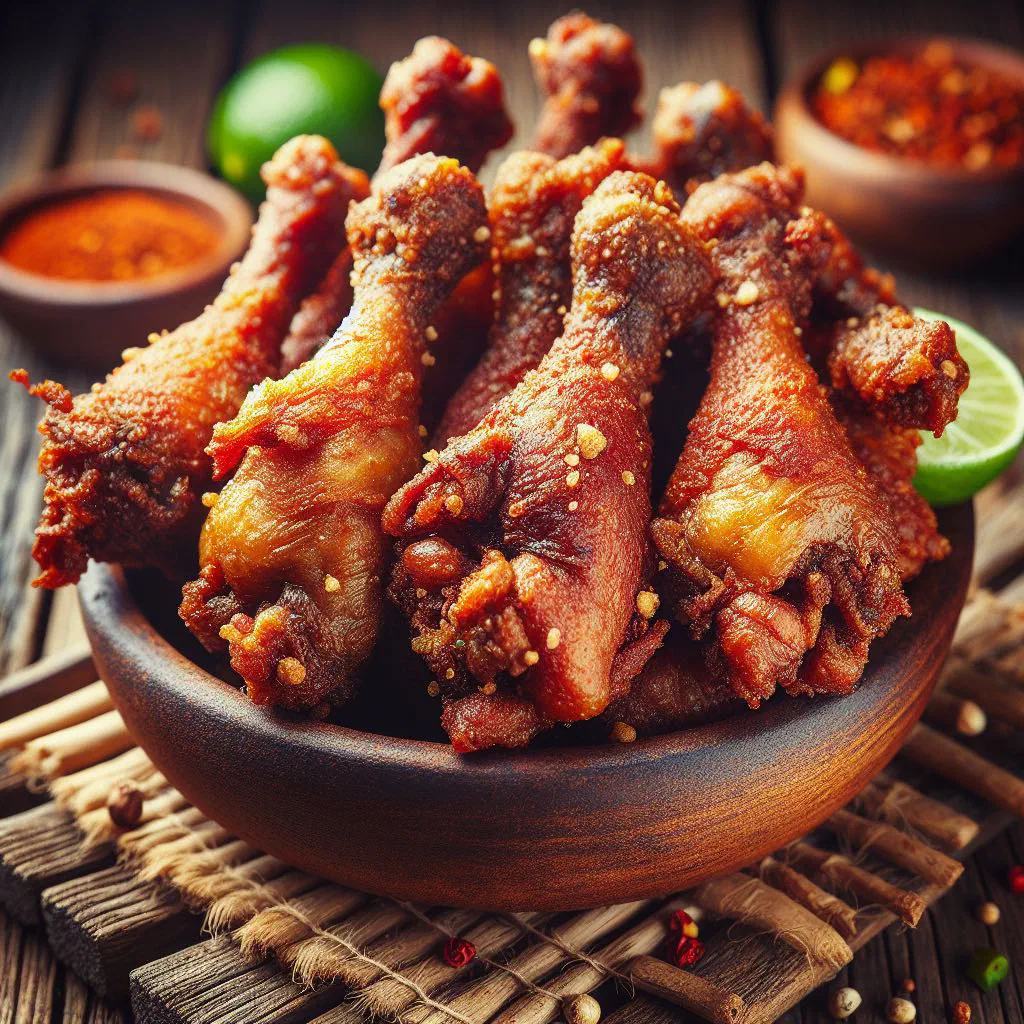
Meet Chofi, one of Ghana’s best-loved bites: crisp, golden fried turkey tails seasoned with garlic, onion and a warming kick of pepper. Loved at celebrations and street-side stalls alike, this is proper finger food, deeply savoury on the inside, shatteringly crunchy on the outside. Chofi brings the warmth and generosity of the Ghanaian table straight to your kitchen.
About Chofi
Chofi is a traditional dish from Ghana, celebrated above all for its crispy texture and boldly spiced flavour. It is made from fried turkey tails, a much-loved delicacy in countless Ghanaian households. Often served as a snack at celebrations or as a hearty main course, Chofi reflects the richness of Ghanaian cuisine and shows just how central the enjoyment of fresh ingredients and well-seasoned food is to the culture there.
Ingredients (serves 1–2)
- 500 g turkey tails
- 2–3 garlic cloves, chopped
- 1 onion, finely chopped
- 2 tsp paprika
- 1 tsp cayenne pepper
- Salt and pepper, to taste
- Oil, for deep-frying
Shopping for the ingredients
When shopping for the ingredients for Chofi, it pays to look for good-quality produce. Fresh turkey tails are best sourced from a local butcher or from a supermarket with a good fresh-poultry counter. The remaining ingredients, garlic, onions and spices, are easy to find in most food shops. Where you can, reach for organic produce to bring out the most authentic flavour in the finished dish.
Preparing the dish
Before you start cooking Chofi, it is important to prepare all the ingredients with care. This means chopping the garlic and onions and mixing together the spices. It also helps to rinse the turkey tails thoroughly and, if you have time, to marinate them in advance to deepen the flavour. This groundwork makes all the difference in ensuring the finished dish is both flavourful and appealing to look at.
Step-by-step instructions
- Rinse the turkey tails thoroughly and pat them dry.
- In a bowl, combine the onion, garlic, paprika, cayenne pepper, salt and pepper into a marinade.
- Add the turkey tails to the marinade and leave to steep for at least 30 minutes.
- Heat the oil in a deep pan until it is hot.
- Carefully lower the marinated turkey tails into the hot oil and fry until golden brown.
- Drain the finished turkey tails on kitchen paper and serve.
Gluten-free / lactose-free version
Chofi is naturally gluten-free and lactose-free, since it contains no gluten-based ingredients or dairy products. That makes this recipe an excellent choice for anyone with intolerances or following a special diet. Do double-check, however, that your spices contain no additives that might carry hidden gluten or lactose. For an even lighter version, the turkey tails can be baked in the oven rather than deep-fried.
Tips for vegans and vegetarians
Although Chofi is traditionally made with turkey tails, vegans and vegetarians can find creative alternatives. Plant-based mock-meat products work well, or you might use ingredients such as tofu or jackfruit, which take on seasoning beautifully and crisp up nicely when fried. These options deliver a similar texture and flavour and are simple to prepare. Use the same marinade to capture that signature Chofi taste.
More tips and tricks
To get Chofi just right, timing and temperature are everything. Make sure the oil is hot enough before you add the turkey tails, so they turn out beautifully crisp. You can also experiment with different spices as you fry to explore new flavour directions. A squeeze of lemon juice just before serving helps to lift the aromas and brighten the whole dish.
Adapting the recipe to your taste
Chofi is a flexible recipe that adapts easily to personal preference. Try different spices or marinades to explore new flavour combinations. The cooking time can also vary depending on the thickness of the turkey tails, which in turn changes the texture as they fry.
Ingredient substitutions
If certain ingredients are not to hand, there are plenty of alternatives you can use. Olive oil, for example, can replace ordinary frying oil for a different flavour. If you have no paprika, reach instead for cumin or turmeric to give the dish a distinctive note. Don’t be discouraged if something is missing. There is always a substitute.
Drink pairing ideas
Chofi goes beautifully with refreshing drinks that complement its spicy character. A cold ginger beer or a natural fruit-juice drink pairs wonderfully with the flavours. For those who prefer alcohol, a light beer or a white wine makes a good choice. Traditional Ghanaian drinks such as Sobolo, a hibiscus-flower infusion, are a perfect match too and lend the meal an authentic touch, as does a homemade Ginger Beer.
Serving and presentation ideas
For serving Chofi, simple tableware works well to keep the focus on the dish itself. Arrange the turkey tails on a wooden board and garnish with fresh herbs for an appealing look. Serve the dish with a dipping sauce to whet the appetite and pleasure your guests. Consider decorating the plate with fresh vegetables or sides to create a colourful, inviting spread.
A bit of history
The roots of Chofi run deep in Ghanaian culture, where the preparation of food often creates a festive atmosphere. Turkey is regarded as a delicacy and, in many Ghanaian communities, a sign of hospitality. Chofi is often prepared and enjoyed at shared meals that bring people together. As Ghanaian cuisine has spread in recent years, Chofi has gained international attention and stirred wider interest in Ghana’s food culture as a whole.
More recipe ideas
Summary: Chofi
Chofi is more than just a simple dish; it is a culinary experience that brings together the soul and the flavours of Ghana. Thanks to its simplicity and the wealth of possible variations, it is easy to tailor to your own tastes. Whether as a quick snack or the highlight of a festive meal, these crispy turkey tails are always a treat. Give this recipe a try and experience the warm hospitality that defines Ghanaian cooking.