National Dish Ghana: Eba (Recipe)
In this article
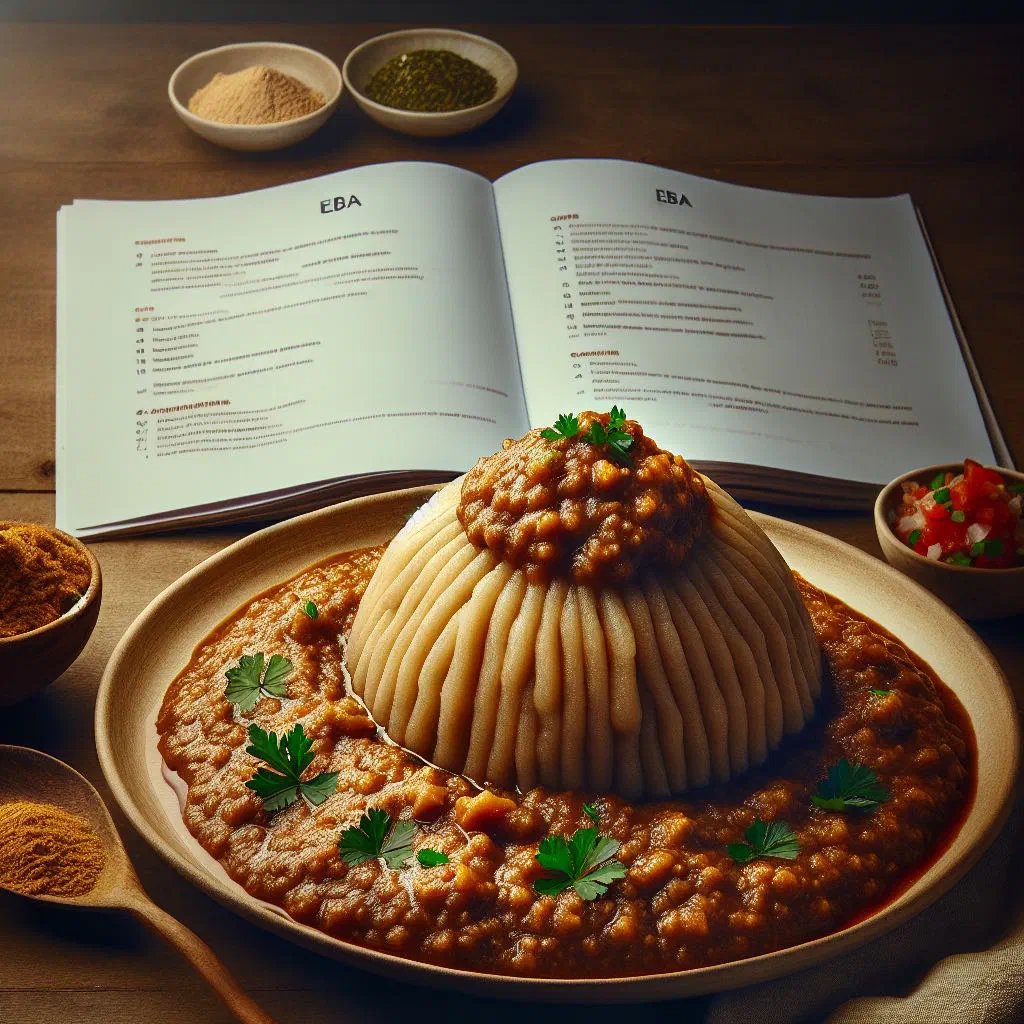
Discover Eba, a wonderfully simple staple that sits at the heart of Ghanaian and West African cooking. Made from just cassava flour and water, it cooks up into a smooth, pliable mound that is made for scooping through richly spiced sauces and stews. Humble yet endlessly versatile, eba turns up at everyday family meals and festive gatherings alike. Proof that a handful of ingredients can carry a whole tradition of hospitality.
About Eba
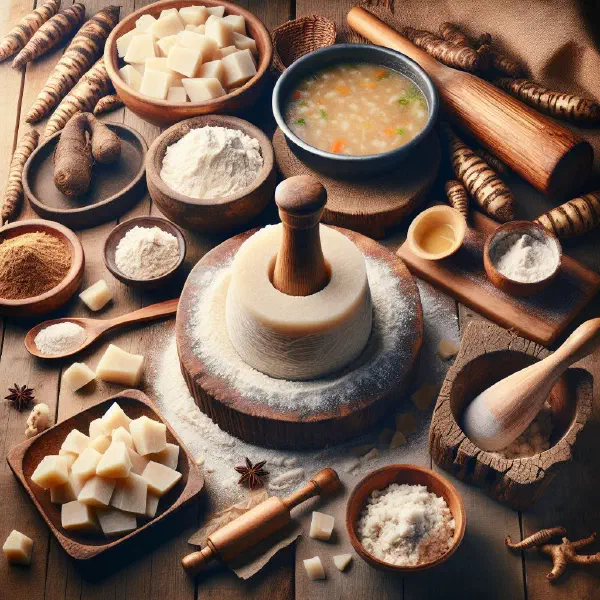
Eba is a traditional dish from Ghana that is loved across many African countries. It is made from cassava flour and water, giving it a smooth, supple texture that is perfect for dipping into all manner of sauces. Eba is nourishing and forms an essential base in Ghanaian cooking. It is often served at celebrations as well as for everyday meals, which speaks to just how versatile and well-loved it is. Much like its close cousin Cassava Fufu, it is designed to be eaten by hand with a generous ladle of stew.
Ingredients (serves 1–2)
- 2 cups cassava flour (gari)
- 1½ cups water
- A pinch of salt (optional)
Shopping for the ingredients
The ingredients for eba are available in most Asian or African grocery shops. Cassava flour is the main component and should be bought in a good quality to get the best flavour. If you do not have any specialist shops nearby, many of these ingredients can also be ordered online. It is also worth checking the best-before date to make sure you are working with fresh ingredients.
Preparing the dish
Before you begin making eba, it is important to have all your ingredients to hand and your work surface well prepared. Make sure you have a sturdy pot or bowl ready to bring the water to the boil. It also helps to use a wooden spoon or a whisk so you can work the flour thoroughly into the water. Before cooking, tip the cassava flour into a separate bowl so you can fold it into the water easily later on.
Step-by-step instructions
- Bring the water to the boil in a pot.
- Add a pinch of salt if you like.
- Reduce the heat and slowly pour the cassava flour into the boiling water.
- Stir continuously to avoid lumps, until the mixture is thick and smooth.
- Keep cooking, stirring constantly, until the eba reaches a firm consistency.
- Shape the eba into small portions and serve hot with one of your favourite sauces.
Gluten-free / lactose-free version
Eba is naturally gluten-free and lactose-free, as it consists only of cassava flour and water. That makes it an excellent choice for anyone with a gluten intolerance or lactose intolerance. Just take care to choose gluten-free and lactose-free options for the sauces and stews you serve alongside it too. Check the ingredients of your sauces to make sure they are compatible with your diet, a light option such as Palm Nut Soup is easy to keep free from both.
Tips for vegans and vegetarians
For vegans and vegetarians, eba is a great partner for hearty plant-based dishes. Combine eba with plant-based stews and sauces to create a wholesome, nourishing meal. Varieties such as vegetable or lentil stews go especially well with eba, as does a leafy Kontomire Stew. Remember to work fresh vegetables and pulses into your recipe ideas to keep a healthy balance in your diet.
More tips and tricks
To make sure your eba turns out well every time, keep an eye on the consistency of the dough. If it is too dry, add a little more water to make it more supple. It is also important to stir the mixture thoroughly to achieve an even texture. Let the eba rest for a few minutes after cooking, before serving, so the flavours can settle.
Adapting the recipe to your taste
You can easily adapt the eba recipe to suit your own preferences. Experiment with different seasonings to give the dough some extra flavour. A few popular variations include adding garlic powder, onion powder or paprika. Beyond that, the sauces and stews you serve with the eba can all be chosen to match your personal taste, a fiery Okra Stew is a fine place to start.
Ingredient substitutions
While cassava is the main component of eba, you can experiment by using other gluten-free flours such as cornmeal or rice flour. These alternatives can also give good results, even if they may have a slightly different texture and flavour. Take care to adjust the ratio of water to the alternative flours accordingly. A mix option could also involve combining cassava flour with another gluten-free flour to create different flavours.
Drink pairing ideas
Many drinks pair well with eba and can round off the whole experience. A cool, slightly bitter beer or a homemade fruit or malt drink are popular choices. Freshly pressed juices, such as pineapple or hibiscus juice, think of a chilled Sobolo Hibiscus Drink, also make a refreshing accompaniment. For an alcohol-free option, sparkling drinks or coconut water are ideal companions too.
Serving and presentation ideas
The presentation of eba can lift the whole impression of the dish considerably. Serve the eba in an attractive bowl and garnish it with fresh herbs or spices. Where possible, use good-quality plates and dishes to bring out the colours of the sauces and stews. You can also arrange small portions on the plate to create an inviting and appetising presentation.
A bit of history
Eba has its roots in West African cuisine and is especially widespread in Nigeria, Ghana and other neighbouring countries. The use of cassava goes back to the indigenous population, who have cultivated this versatile tuber for generations. Eba is enjoyed both in everyday life and on special occasions, which shows just how important it is to the culture of the region. Over the years it has grown into a symbol of hospitality and community within Ghanaian cuisine.
More recipe ideas
Summary: Eba
In summary, eba is an easy-to-make and thoroughly tasty dish that is firmly rooted in Ghanaian and West African cooking. With just a few ingredients you can put together a delicious and nourishing meal that is perfect for any occasion. The countless ways to adapt the sauces and stews make this dish a wonderful choice for every kind of eater. Discover the joy of making eba in your own kitchen.