National Dish Ghana: Groundnut Porridge (Recipe)
In this article
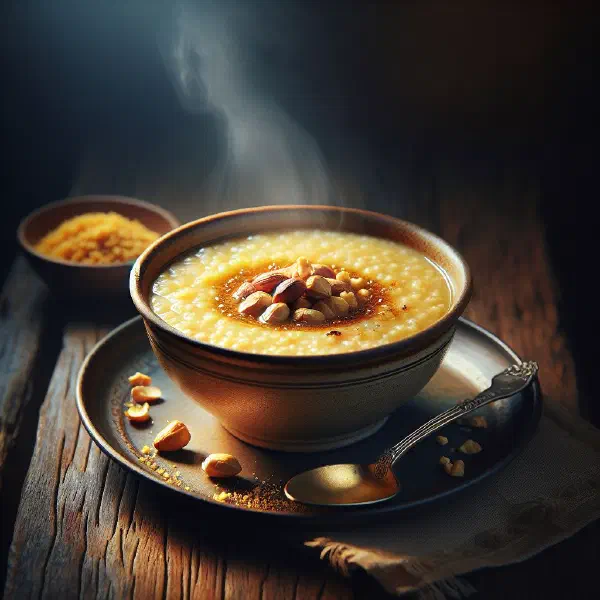
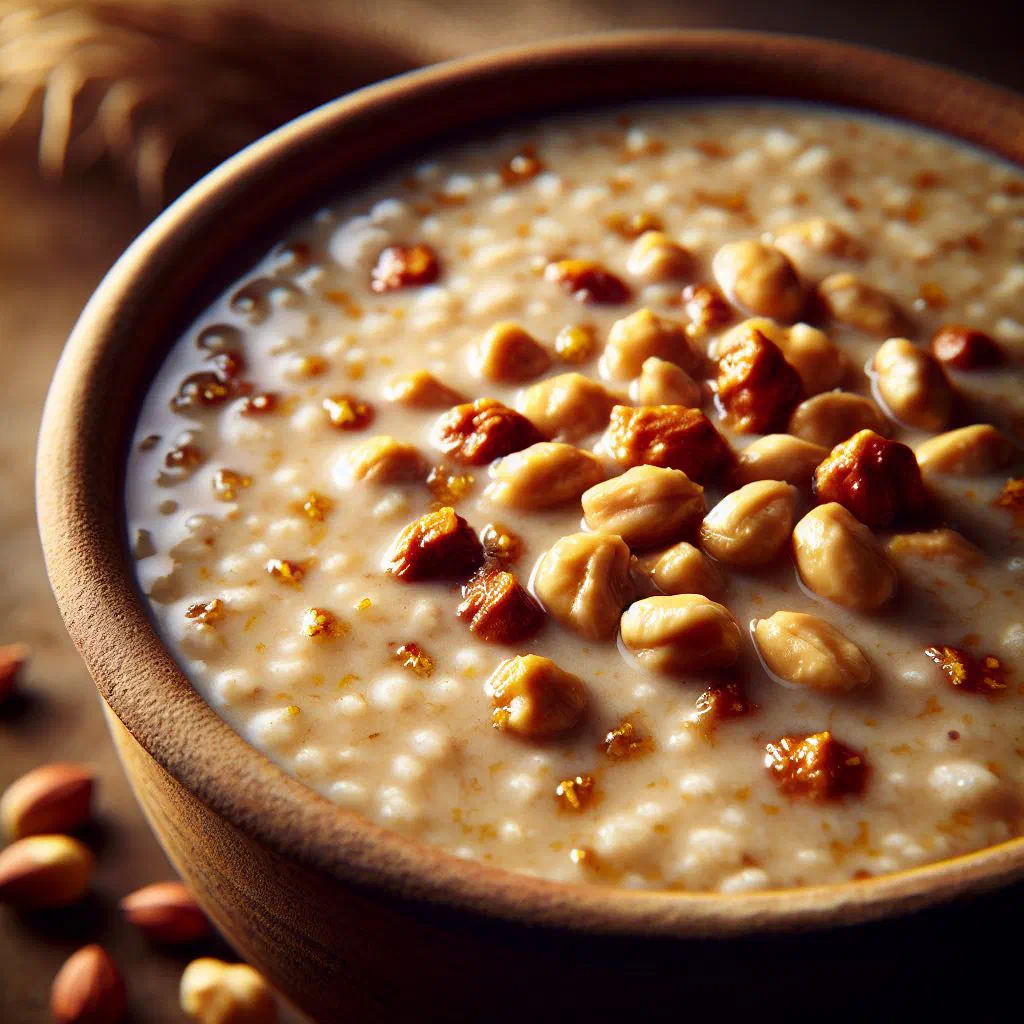
Meet Groundnut Porridge, a wonderfully creamy breakfast that carries all the warmth of Ghanaian cooking. Built around the rich, nutty flavour of peanuts, it turns a handful of simple pantry staples into a nourishing bowl that sets you up for the day. Naturally packed with healthy fats and protein, it is comforting, satisfying and easy to make at home. Serve it warm and let the flavours of West Africa brighten your morning.
About Groundnut Porridge
Groundnut Porridge, sometimes called peanut porridge, is a traditional dish from Ghana loved for its creamy texture and deeply nutty taste. This nourishing breakfast brings together straightforward cooking and generous flavour, making it a perfect source of energy to start the day. The star ingredient, peanut butter, delivers more than just taste. It also provides healthy fats and plenty of protein. Serve it warm and enjoy a taste of the culinary variety that Ghana has to offer.
Ingredients (serves 1–2)
- 1 cup peanuts or peanut butter
- 2 cups water
- 1–2 tablespoons sugar, or to taste
- 1 pinch of salt
- Optional: a pinch of cinnamon or nutmeg
Shopping for the ingredients
The ingredients for groundnut porridge are easy to find in most supermarkets or at African and Asian grocers. Look for fresh peanuts, either raw or roasted, to get the best flavour. If you are using peanut butter, choose one without added sugar or preservatives for the purest taste. When picking up spices such as cinnamon or nutmeg, opt for organic where you can to keep the dish as wholesome as possible. Many of the same nutty staples turn up across Ghanaian cuisine, so a good grocer will usually have everything you need.
Preparing the dish
If you are working with whole peanuts, a quick roast helps intensify the flavour. Choose unsalted nuts to keep the natural taste in the foreground. Next, grind or blend the nuts into a smooth paste if you are not using ready-made peanut butter. The finer you work the peanuts, the more even the mixture becomes, which gives the porridge a lovely smooth texture.
Step-by-step instructions
- Bring the water to the boil in a pan.
- Add the peanuts or peanut butter and stir well to combine.
- Reduce the heat and let it simmer gently for about 5–10 minutes, stirring occasionally.
- Stir in the sugar, salt and any spices, and keep stirring until you reach the consistency you like.
- Serve the porridge hot and enjoy it on its own or topped with fresh fruit.
Gluten-free / lactose-free version
Groundnut porridge is naturally gluten-free and lactose-free, making it an ideal choice for anyone with these allergies or intolerances. The main ingredients, peanuts and water, contain nothing derived from gluten. Reach for plant-based sweeteners rather than any dairy products to widen the appeal even further. That way, people with particular dietary needs can enjoy this dish just as much as everyone else.
Tips for vegans and vegetarians
Groundnut porridge is a superb choice for vegans and vegetarians thanks to its entirely plant-based ingredients. To make it even more wholesome, sweeten it with vegan options such as agave syrup or coconut sugar. Round the dish out with fresh fruit or nuts for extra nutrients and flavour. These little tweaks boost the nutrition and make the porridge more versatile and appealing to every palate.
More tips and tricks
Good technique is the key to a successful groundnut porridge. Blend the peanuts carefully to achieve a smooth, creamy consistency. Keep the heat low so the porridge does not catch and scorch on the base of the pan.
Adapting the recipe to your taste
The groundnut porridge recipe is remarkably adaptable. If you like things sweeter, add a little more sugar or a drizzle of honey. For a more intense nutty flavour, stir in roasted almonds or cashews. Play with the spices too, vanilla or cardamom can introduce fresh new notes. This keeps the dish delicious while leaving plenty of room for creative experimentation in the kitchen.
Ingredient substitutions
If you cannot tolerate or simply do not fancy peanuts, you can swap in almond butter or cashew butter instead. These nuts bring a wonderful flavour and essential nutrients of their own. In place of sugar, choose sweeteners such as maple syrup or coconut sugar for a more calorie-conscious result. Alternatives like these add a new dimension of flavour to your porridge and make it a touch healthier. For a heartier peanut-based meal, the same paste is the backbone of Groundnut Soup.
Drink pairing ideas
To round out your breakfast, we recommend serving groundnut porridge with an invigorating drink. A fresh fruit smoothie made from bananas and mangoes pairs beautifully with the nutty flavours. Alternatively, a hot herbal tea or an African rooibos tea makes a great choice. These combinations are delicious and add extra vitamins and nutrients to enrich your morning.
Serving and presentation ideas
Presentation matters when it comes to making the dish look inviting. Serve the groundnut porridge in pretty bowls and garnish with fresh fruit or nuts. A drizzle of honey or coconut milk on top adds that certain something. Using colourful ingredients lifts not just the flavour but also the appearance of your breakfast.
A bit of history
Groundnut porridge has its origins in West Africa, where peanuts play an important part in both the cooking and the culture. The preparation varies from region to region, but the core ingredients tend to stay the same. Peanuts symbolise the bounty of nature and the creativity and resourcefulness of the people who transform this humble ingredient into delicious dishes. As peanuts spread from country to country, this dish became a favourite not only in Ghana but far beyond its borders.
More recipe ideas
Summary: Groundnut Porridge
Groundnut porridge is more than just a simple breakfast; it is a tasty, nourishing way to begin the day while experiencing a piece of Ghanaian tradition. With its straightforward ingredients and uncomplicated preparation, it is a dish that is easy to recreate at home. Its many options for adaptation and substitution make it an excellent recipe for every kind of taste. Try this traditional dish and bring a slice of African cooking into your own kitchen.