National Dish Ghana: Kokonte with Palm Nut Soup (Recipe)
In this article
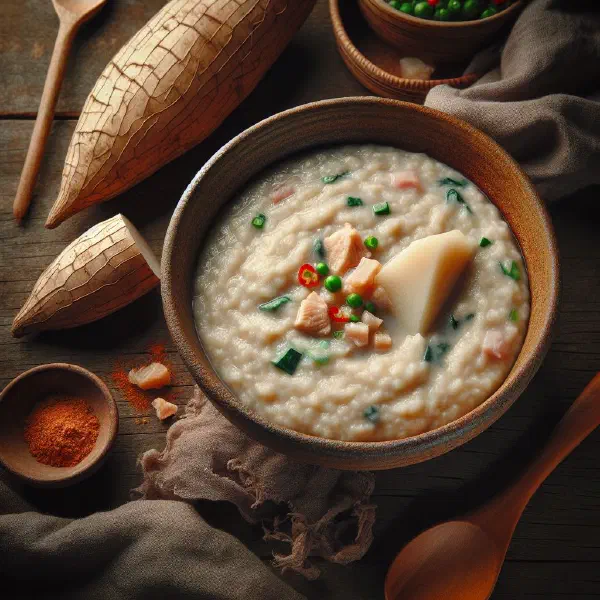
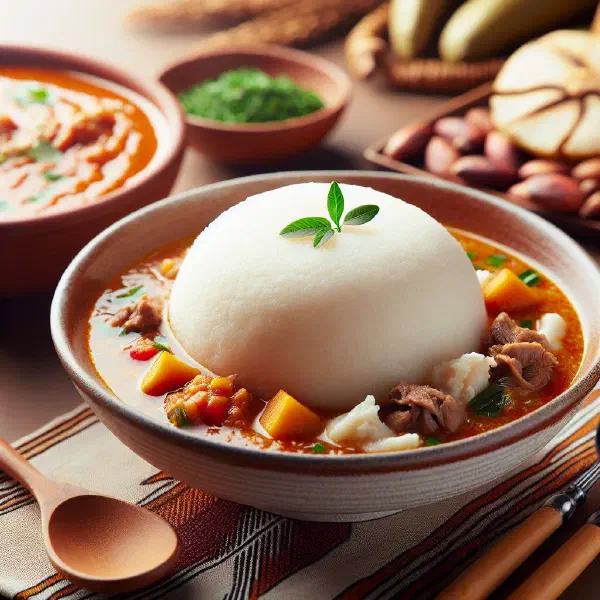
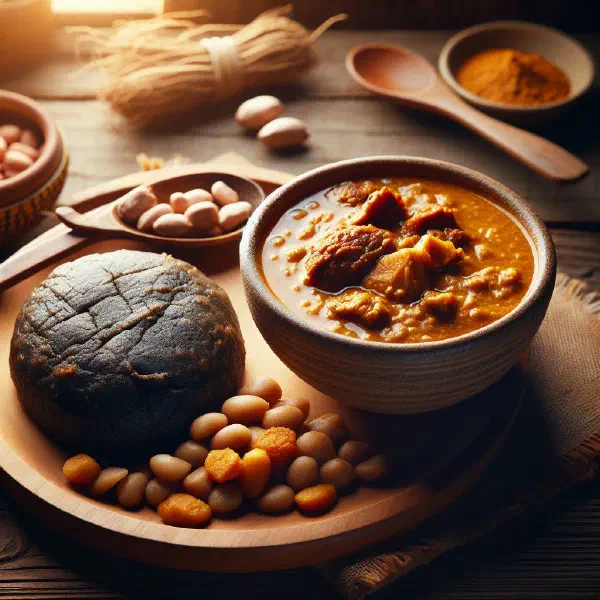
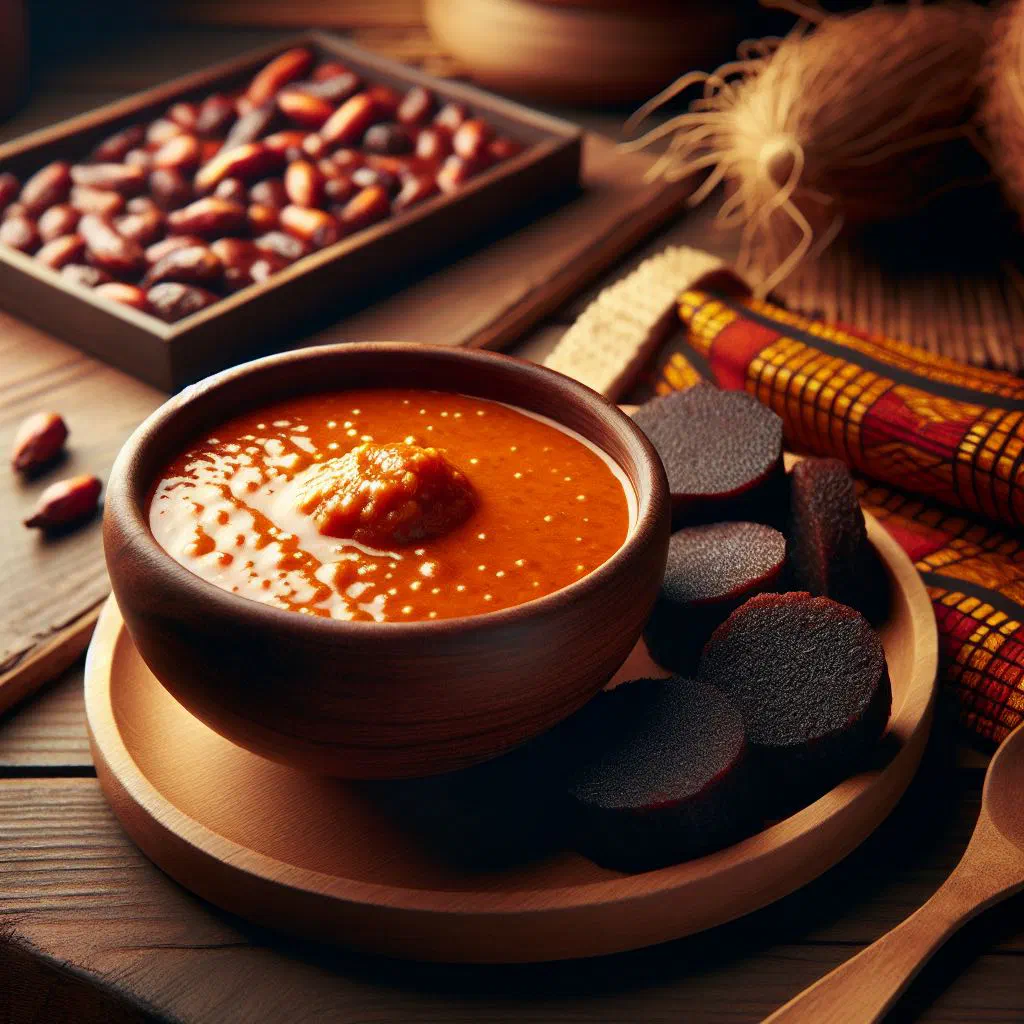
Meet Kokonte with Palm Nut Soup, one of Ghana’s most cherished comfort meals and a wonderful window into the country’s rich food culture. Made from dried yam, kokonte has a distinctive earthy character that pairs beautifully with the deep, creamy warmth of a palm nut soup. It is the kind of dish that turns up at family gatherings and celebrations, where sharing food is a mark of hospitality. Bring the flavours of West Africa to life in your own kitchen with this hearty, satisfying classic.
About Kokonte with Palm Nut Soup
Kokonte with Palm Nut Soup is one of the best-loved dishes in Ghana, and it captures both the variety of West African cooking and its deeply rooted cultural values. Kokonte, produced from dried yam, offers a unique, earthy note that harmonises perfectly with the rich and creamy consistency of the palm nut soup. The dish is often a highlight at social occasions and festivities. The combination of these two elements creates a taste experience that seduces the senses and brings the aromas of Ghana to life within your own four walls.
Ingredients (serves 1–2)
- 200g kokonte (dried yam flour)
- 400ml palm nut paste
- 1 onion, chopped
- 2 cloves garlic, crushed
- 1 piece ginger, grated
- 200ml vegetable stock
- Salt and pepper, to taste
- Optional: fish or meat of your choice
Shopping for the ingredients
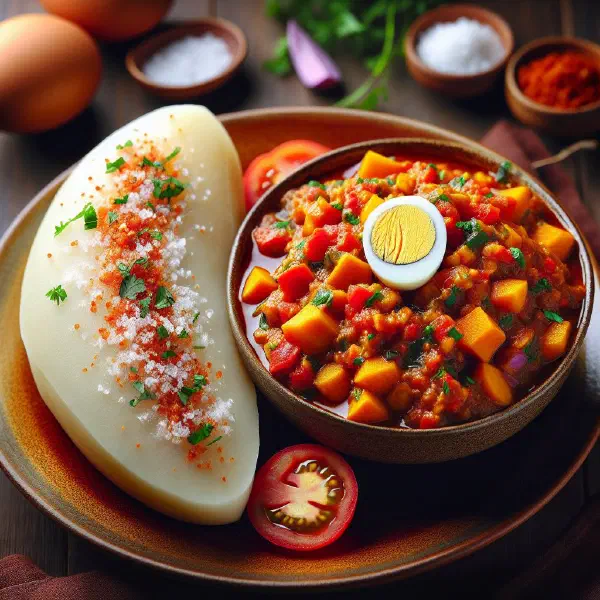
The first step towards preparing Kokonte and palm nut soup is to gather the ingredients you need. At a local market or a specialist shop for West African foods you will usually find everything without much trouble. The palm nut paste is especially important, as it forms the very heart of the soup. Be sure to pick fresh produce such as onions and garlic too, so you get the very best flavour. Many of the same staples turn up in dishes like Palm Nut Soup and Banku with Okra Stew.
Preparing the dish
Once you have gathered all the ingredients, it is time to get ready to cook. First, soak the kokonte in water so it softens and becomes easier to work with during cooking. While the kokonte soaks, you can prepare the onion, garlic and ginger. These aromatic ingredients provide the necessary depth and complexity in the palm nut soup. Remember to prepare everything well in advance to make the cooking process run smoothly.
Step-by-step instructions
- Cook the kokonte in boiling water for about 10–15 minutes, until soft.
- In a separate pan, sauté the chopped onion, garlic and ginger until fragrant.
- Add the palm nut paste to the onion mixture and stir well.
- Pour in the vegetable stock and bring everything to the boil.
- Add the cooked kokonte to the soup and let it simmer for a further 5–10 minutes.
- Season with salt and pepper, and add fish or meat if you like.
Gluten-free / lactose-free version
Kokonte with Palm Nut Soup is naturally gluten-free and lactose-free, which makes it an excellent choice for anyone with these intolerances. When buying palm nut paste, however, do check that it contains no unwanted additives. This preparation offers a rich and filling meal that suits every kind of diet. That way everyone at the table can enjoy the delicious dish without having to worry about their particular dietary needs.
Tips for vegans and vegetarians
For vegans and vegetarians, the traditional Kokonte and palm nut soup can easily be enjoyed without animal products by simply leaving out the fish or meat. Instead, you can add extra vegetables or plant-based proteins such as tofu or pulses. These alternatives provide the nutrients you need and enrich the flavour and texture of the soup. With the right choice of spices and fresh ingredients, the dish stays just as tasty and satisfying.
More tips and tricks
To get the most out of Kokonte and palm nut soup, you can add various spices such as cayenne pepper or paprika to bring a little extra heat. Take care to combine the ingredients well and adjust the cooking time as needed to achieve the perfect consistency for the soup. Fresh herbs such as coriander or parsley also make a superb garnish that can inspire both flavour and appearance. Experiment with different ingredients and techniques to develop your own ideal recipe.
Adapting the recipe to your taste
The beauty of Kokonte and palm nut soup lies in the versatility of the recipe, which can easily be adapted to personal preference. Whether by varying the vegetables you use or adding further spices, there are countless ways to shape the dish to your own taste. You might add more kokonte for a thicker consistency, for example, or enrich the soup with extra vegetables to create a balanced meal. Do not be afraid to get creative and bring your own ideas into the preparation.
Ingredient substitutions
If you cannot find certain ingredients for Kokonte and palm nut soup, there are often suitable alternatives. In place of kokonte, for instance, you can use other starchy staples that offer a similar texture, much like the cassava base in Cassava Fufu. Instead of palm nut paste, another kind of nut or seed paste can be used, as long as it offers a comparable consistency and flavour note. Substitutions like these make it easier to prepare the dish with locally available ingredients without losing much in the way of taste.
Drink pairing ideas
To round off the experience of a meal with Kokonte and palm nut soup, the right drinks are essential. A refreshing fruit juice such as mango or pineapple pairs wonderfully with this dish and complements the flavours perfectly. A traditional Ghanaian drink such as Sobolo or an alcohol-free beer can also make good companions. Aim for a drink that underscores the flavour notes of the soup, so you create a harmonious combination.
Serving and presentation ideas
The presentation of Kokonte and palm nut soup adds to the appeal of the dish and can greatly enhance the eating experience. Serve the soup in beautiful, colourful bowls to show off the food at its best. Decorate the dish with fresh herbs and a squeeze of lemon for an attractive look. A creative presentation, rounded off with the right table setting, turns your meal into a special occasion that every guest will enjoy.
A bit of history
The origins of Kokonte and palm nut soup are deeply rooted in Ghanaian culture and reflect the traditions and ways of life of the people. This meal is often served on festive occasions, and its preparation is a sign of hospitality. The use of local ingredients shows how closely the people are connected to their resources and how culinary knowledge is passed down through the generations. This culture of sharing food and stories strengthens the community and reveals the importance of eating together, a spirit that runs right through Ghanaian cuisine.
More recipe ideas
Summary: Kokonte with Palm Nut Soup
In summary, Kokonte and palm nut soup offer a unique gastronomic experience that embodies the variety and richness of West African cooking. The combination of savoury and earthy aromas creates a harmonious meal that is both nourishing and delicious. Thanks to the many options for adaptation and the creative ingredients, you can shape the dish entirely to your own taste. Enjoy preparing and sharing this delicious meal with family and friends, and experience the cultural richness of Ghana in your own home.