National Dish Ghana: Kokonte with Peanut Soup (Recipe)
In this article
Say hello to Kokonte with Peanut Soup, a soulful classic of the Ghanaian table that turns the humblest of pantry staples into something deeply comforting. Made from dried cassava and served with a rich, nutty groundnut soup, it delivers earthy flavour and a satisfyingly hearty texture in every mouthful. Nourishing, naturally plant-based and endlessly adaptable, it is the kind of dish that brings people together around a shared bowl. Bring the warmth of West Africa straight to your own kitchen.
About Kokonte with Peanut Soup
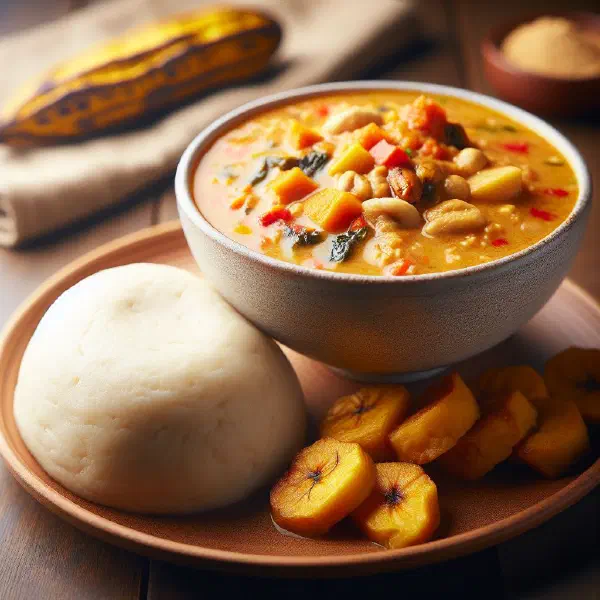
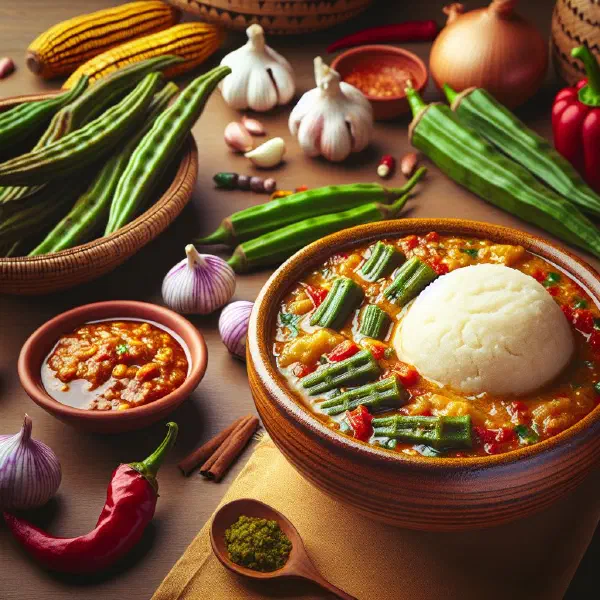
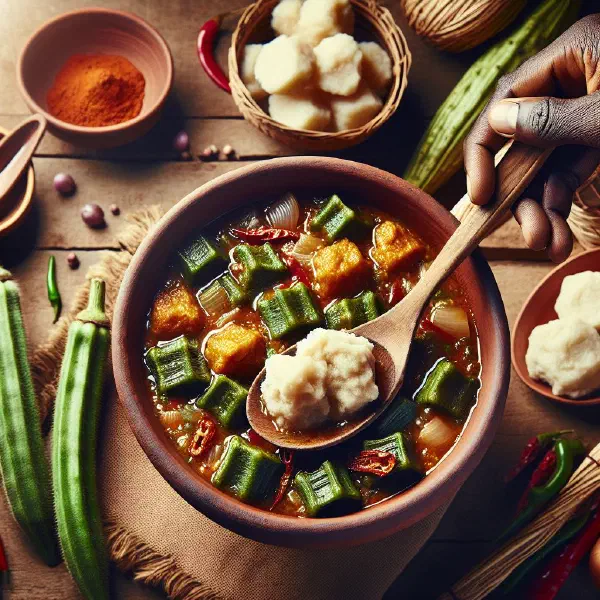
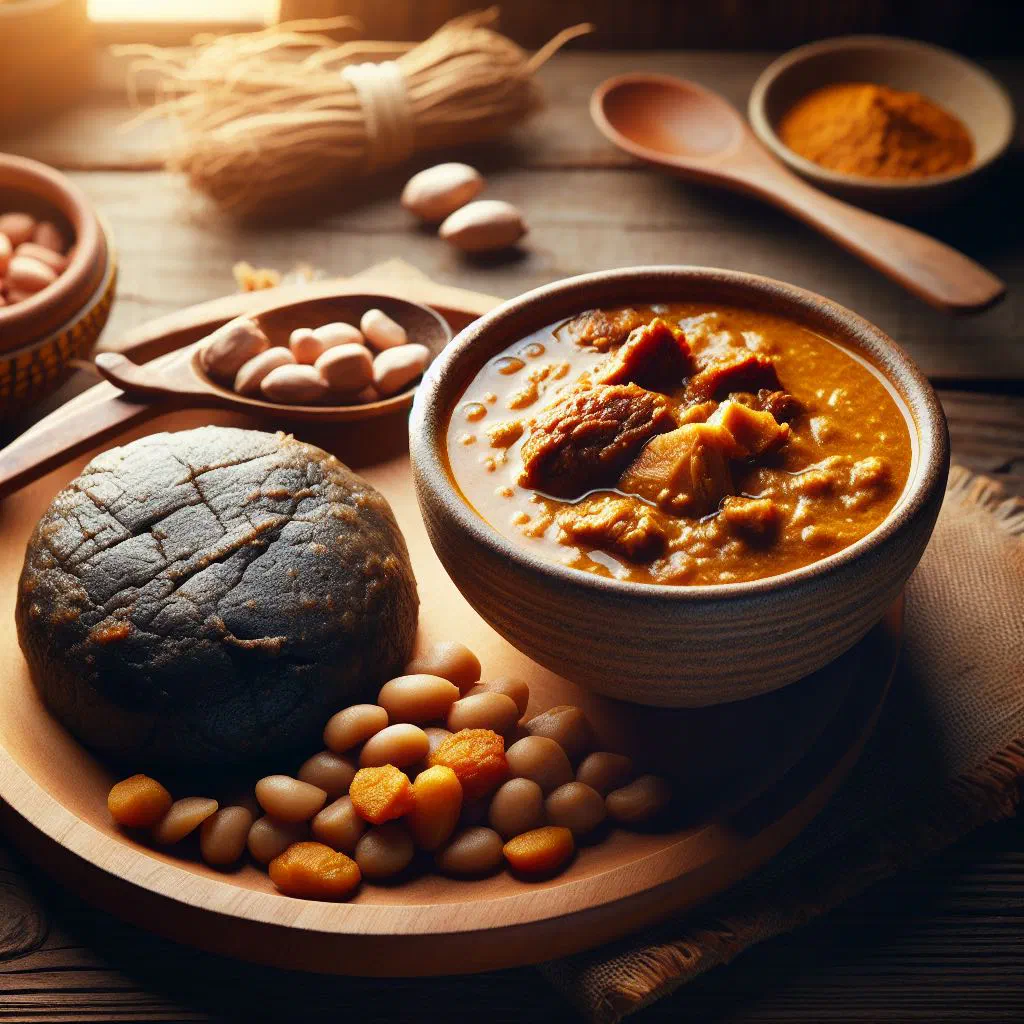
Kokonte with Peanut Soup is a traditional Ghanaian dish celebrated for its distinctive flavour and rich, satisfying texture. Kokonte, often affectionately called “black fufu”, is made from dried cassava and has a gently sticky, springy consistency. It is paired with a creamy peanut soup that is layered with spices and aromatics to draw out its full depth of flavour. Together they make a hearty, nourishing meal that pleases the palate while offering plenty of wholesome goodness.
Ingredients (serves 1–2)
- 200 g kokonte (black fufu)
- 250 ml water
- 200 g peanuts (unsalted, ground)
- 1 onion, finely chopped
- 2 tomatoes, diced
- 1–2 green chillies, to taste
- Salt and pepper, to taste
- 2 tablespoons oil (such as palm oil or vegetable oil)
- Fresh herbs, to garnish (optional)
Shopping for the ingredients
To make kokonte and peanut soup you will need a mix of fresh and dried ingredients. Kokonte can usually be found in African grocery shops or well-stocked supermarkets. Be sure to choose unsalted peanuts, as salted ones can throw off the balance of the soup. For the best aroma, pick fresh vegetables such as onions and tomatoes at the peak of their quality.
Preparing the dish
Before you start cooking kokonte and peanut soup, make sure all your ingredients are ready to go. That means chopping the onions and dicing the tomatoes, and grinding the peanuts if they are not already ground. If you plan to use fresh herbs, finely chop them at this stage too.
Step-by-step instructions
- Heat the oil in a pan and sauté the chopped onions until translucent.
- Add the diced tomatoes and the chillies, and let them simmer for a few minutes until softened.
- Stir in the ground peanuts, then gradually pour in the water to achieve a smooth consistency.
- Bring the mixture to the boil and let it simmer for around 10 minutes to thicken. Season with salt and pepper to taste.
- Meanwhile, prepare the kokonte according to the packet instructions. Once ready, it can be served.
Gluten-free / lactose-free version
Kokonte and peanut soup are naturally gluten-free and lactose-free, which makes this dish a brilliant choice for anyone with intolerances or allergies. It is still worth double-checking every ingredient and seasoning you use to be sure they are free from gluten and lactose. That way you can enjoy the dish with complete peace of mind, without giving up an ounce of its delicious flavour.
Tips for vegans and vegetarians
This dish is ideal for vegans and vegetarians, as it contains no animal products at all. If you would like an extra hit of protein, though, you can work in some tofu or chickpeas. Just be sure that any stock or liquid you add is also vegan-friendly. These little additions can lift the dish and open up new flavour combinations.
More tips and tricks
To deepen the flavour of kokonte and peanut soup, try experimenting with spices such as ginger, garlic or cumin. A spicier kick can be achieved by adding more chillies or even a pinch of cayenne pepper. Adjust the consistency of the soup to your liking by using a little more or less water. These small tweaks make the dish even more versatile.
Adapting the recipe to your taste
One of the great strengths of kokonte and peanut soup is how easily the recipe can be adapted. If you prefer a milder result, simply leave out the chillies or cut back on the amount. Adding seasonal vegetables such as spinach or pumpkin can also give the classic version a fresh new twist. Adjustments like these keep the dish exciting, no matter how often you make it.
Ingredient substitutions
If you do not have certain ingredients to hand, there are several alternatives worth considering. In place of kokonte you could use yam or plantains, both of which make a great base, much like the starchy sides in Yam Stew or Fried Plantains. For the peanut soup, other nuts such as cashews also work well. These swaps bring new flavours and introduce different nutrients that can benefit your diet.
Drink pairing ideas
A range of drinks pairs beautifully with kokonte and peanut soup, complementing the flavours of the dish. Traditionally it is served with tropical juices such as pineapple or mango. A good glass of mineral water or a refreshing iced tea also makes a welcome accompaniment. These combinations help to balance the flavours and round off the whole dining experience.
Serving and presentation ideas
Presentation can lift the kokonte and peanut soup experience considerably. Serve the soup in a deep bowl and garnish it with fresh herbs to add colour and aroma. To present the kokonte attractively, shape it into small balls or dumplings using a spoon or your hands. A beautifully arranged meal is more enjoyable to eat and shows the care that has gone into the cooking.
A bit of history
Kokonte has a long history in Ghanaian cooking and is often regarded as a staple food. It is made from dried, ground cassava, one of the most important crops in West Africa. Peanut soup carries historical significance too, forming a central element of countless African kitchens. The pairing of the two dishes is an expression of cultural identity and the rich culinary traditions that define Ghanaian cuisine.
More recipe ideas
Summary: Kokonte with Peanut Soup
Kokonte with peanut soup is a hearty and nourishing dish that captures the flavours of Ghana to perfection. With its wholesome cassava base and the rich consistency of the peanut soup, it offers a truly unique taste experience. Ideal for food lovers and for anyone keen to explore West African cooking, this dish is a genuine explosion of flavour. Give it a try and let its aromas work their magic.