National Dish Ghana: Koose (Recipe)
In this article
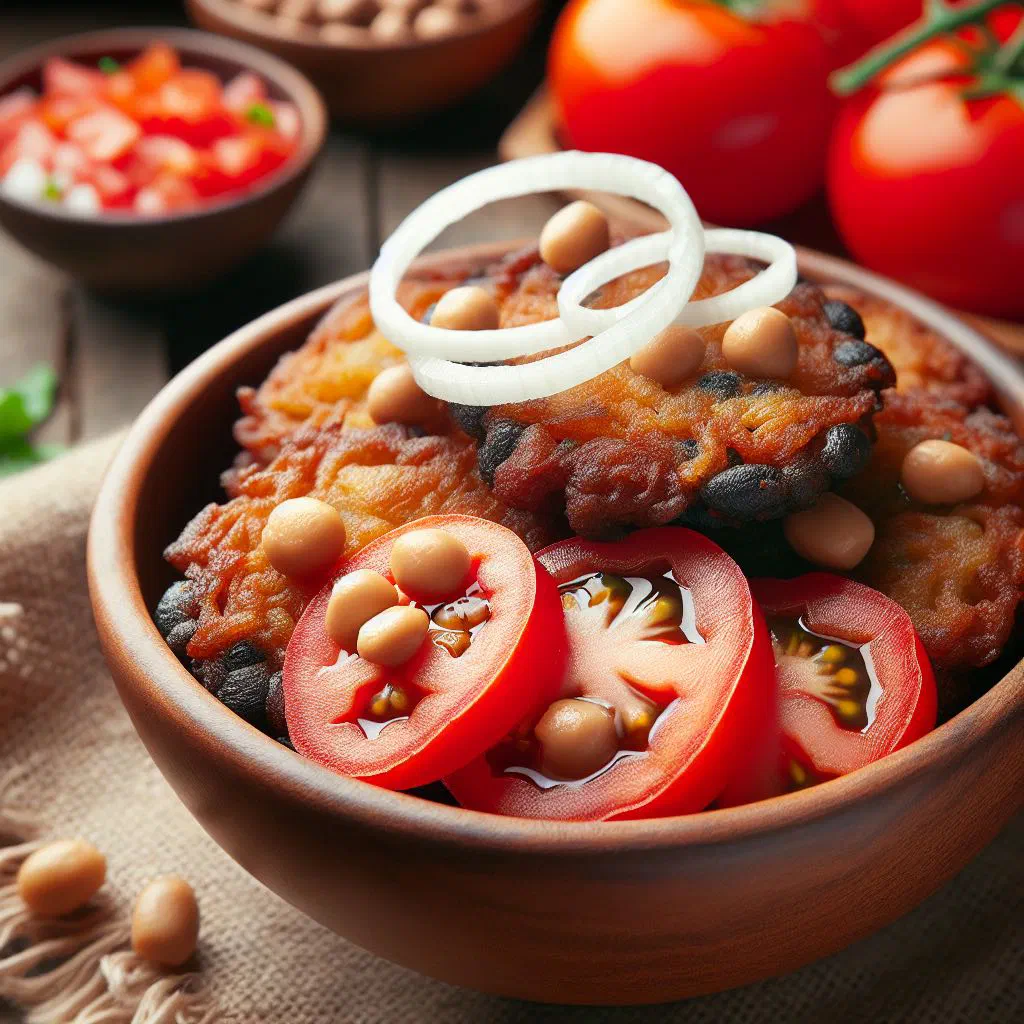
Meet Koose, one of Ghana’s best-loved savoury snacks. These crisp little fritters are made from puréed black-eyed beans, onions and a fiery hint of chilli, then fried until golden and very crunchy. Sold at roadside stalls and served at breakfast tables across West Africa, they are wonderfully simple to make and packed with plant-based goodness. Bring a taste of the Ghanaian street corner straight to your own kitchen.
About Koose
Koose is a traditional snack from Ghana, prized for its distinctive flavour and its refreshingly simple preparation. These delicious bean fritters are made mainly from puréed black-eyed beans, spices and onions. They are often served as a snack or a side dish and suit almost any occasion. Let the variety and warm aromas of this hearty little bite win you over, and discover just how easy Koose is to make at home.
Ingredients (serves 1–2)
- 250 g black-eyed beans (dried or fresh)
- 1 small onion, finely chopped
- 1–2 fresh chillies, to taste
- 1 teaspoon salt
- Oil for frying
Shopping for the ingredients
When shopping for koose, it is worth looking for the beans at an Asian or African grocery. These shops usually carry a wide range of pulses, spices and other ingredients you will need for the recipe. Check the beans over carefully before buying to make sure they are fresh and of the best quality. If you are a fan of heat, choose from several different chilli varieties so you can dial the spiciness up or down to your own taste.
Preparing the dish
Preparing koose is straightforward and does not take much time. First, soak the black-eyed beans for a few hours or overnight so they turn soft and are easier to purée. Once soaked, drain the beans thoroughly and blend them together with the onions and chillies in a food processor. These steps are key to achieving the right consistency and letting the flavours come through at their best.
Step-by-step instructions
- Drain the soaked black-eyed beans and add them to a blender along with the onions and chillies.
- Blend the mixture until it forms a smooth, even paste.
- Transfer the paste to a bowl and season to taste with salt.
- Heat oil in a pan and drop in small portions of the bean paste using a tablespoon.
- Fry the koose on each side until golden brown and crisp.
Gluten-free / lactose-free version
Koose is naturally gluten-free and lactose-free, since its main ingredients are black-eyed beans, onions and spices. That makes the dish ideal for anyone with food intolerances or on a diet that has to avoid gluten. You can adjust the ingredients however you like to keep it both gluten-free and lactose-free. Enjoy this recipe without a second thought and without any wheat or dairy products.
Tips for vegans and vegetarians
Koose is an excellent choice for vegans and vegetarians, as it contains no animal products at all. The savoury bean fritters are nourishing and rich in plant-based protein and genuinely filling. To make the dish even more varied, you can add different vegetables such as carrots or peppers. Experiment with different spices to discover new flavours and make the recipe your own, much as you would with a hearty Red Red bean stew.
More tips and tricks
A few small pointers can help you make your koose even better. Take care not to make the bean paste too thick, so the fritters brown evenly. For an extra bit of crunch you can mix a few spices or even sesame seeds into the batter. If you want to make a larger batch, it is best to fry the portions in several rounds so everything cooks through evenly. These little tricks will make your koose even more delicious.
Adapting the recipe to your taste
The flexibility of the koose recipe lets you adapt the dish to your own personal preferences. Like it hotter? Add more chilli or even other spices such as cumin. If you prefer a milder version, you can leave the chillies out altogether or swap them for sweeter pieces of pepper. The recipe is highly adaptable, so everyone can find their perfect version.
Ingredient substitutions
If you struggle to find black-eyed beans, you can replace them with other varieties such as northern beans or kidney beans. You can get creative with the spices too; try coriander or thyme for a different flavour. Likewise, the frying oil can be swapped for healthier alternatives such as rapeseed oil or coconut oil. Feel free to experiment to discover new taste experiences.
Drink pairing ideas
A range of drinks pairs beautifully with koose and complements the flavours of the dish. A fresh fruit juice or a cold malt drink makes a great accompaniment and works especially well. If you fancy something alcoholic, try a light lager or a refreshing wheat beer. These drinks help broaden the flavour palette of your meal and enrich the whole eating experience.
Serving and presentation ideas
An attractive presentation can noticeably improve the koose experience. Serve the bean fritters on a large, colourful plate and garnish them with fresh herbs or salad leaves. Small bowls of different sauces, a spicy chilli sauce or a cooling yoghurt dip, for example, give your guests extra options. Pay attention to colours and shapes to create both a visual and a culinary pleasure.
A bit of history
Koose has its origins in West African cuisine, where it is well known as a popular snack. The use of black-eyed beans has historical roots in the region, where beans have long been valued as an important source of food. Preparing and enjoying koose is deeply woven into the culture and traditions of Ghana. With every bite you can taste the history and the many flavours of Ghanaian cuisine. It sits happily alongside other beloved street snacks such as Bofrot.
More recipe ideas
Summary: Koose
Koose is a hearty and delicious snack from Ghana that shines through its simplicity and adaptability. With a wide range of spices and flavours, you can shape the recipe entirely to your own taste. It is a wonderful choice for vegans, vegetarians and anyone who enjoys gluten-free food. Give it a try yourself and bring a piece of West Africa into your kitchen.