National Dish Ghana: Maafe (Recipe)
In this article
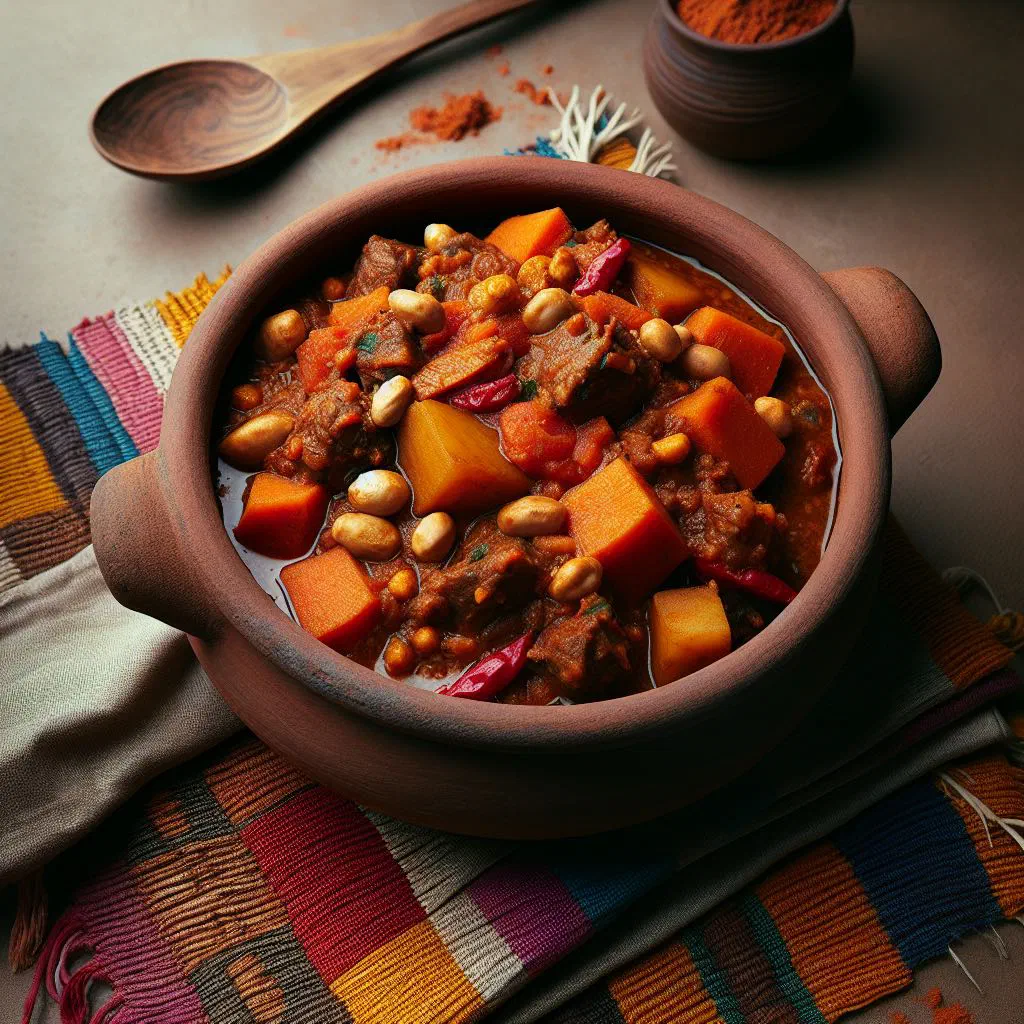
Discover Maafe, the rich groundnut stew that ranks among Ghana’s best-loved comfort foods. This hearty one-pot dish brings together tender meat, colourful vegetables and a velvety peanut sauce that clings to every spoonful. Warming, nutty and gently spiced, it is the kind of meal made for sharing around a busy table. Bring a taste of West African hospitality straight to your own kitchen.
About Maafe
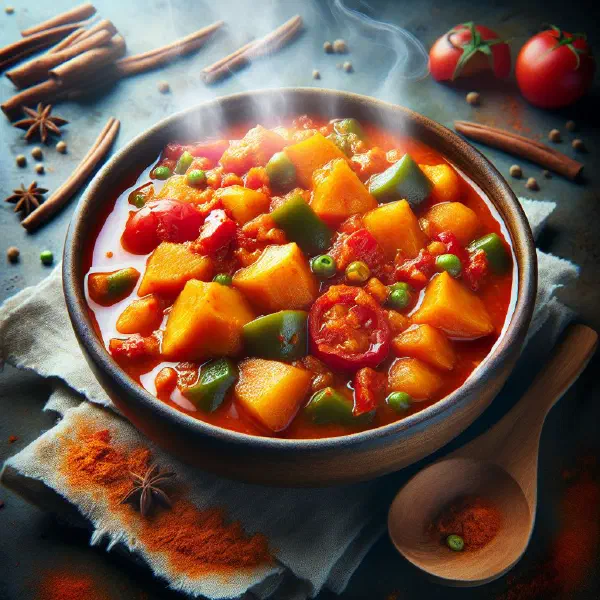
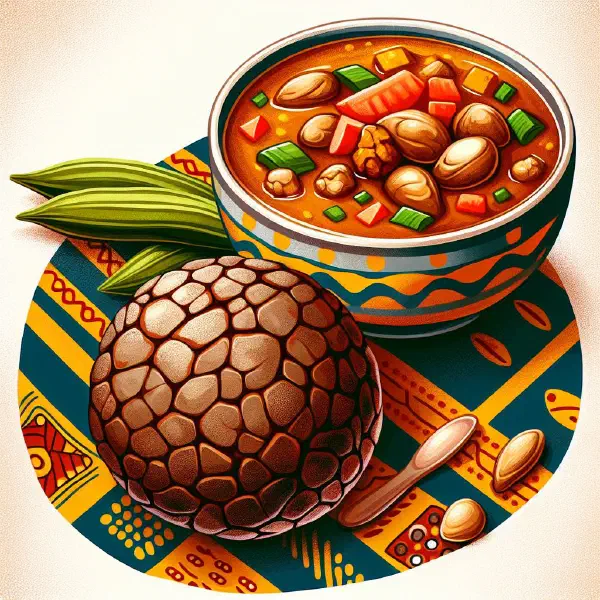
Maafe, also known simply as groundnut stew, is a traditional dish from Ghana celebrated for its aromatic peanut sauce and its generous combination of fresh vegetables and tender meat. A creamy base of ground peanuts gives the stew its unmistakable character and silky texture. That marriage of warm, savoury spices and hearty ingredients delivers a flavour experience that both satisfies and appeals to. Perfect for sociable evenings, maafe is an excellent way to bring the culture of Ghana right to your dinner table.
Ingredients (serves 1–2)
- 250 g beef or chicken
- 2 tablespoons peanut butter
- 1 onion, diced
- 2 carrots, sliced
- 1 pepper, diced
- 2 cloves garlic, chopped
- 400 ml vegetable or chicken stock
- Tomatoes, fresh or tinned
- Spices: salt, pepper, paprika, cayenne pepper
- Fresh coriander, to garnish
Shopping for the ingredients
When shopping for maafe, look for fresh produce to get the very best flavour. Visit a local market or supermarket where you can check the quality of everything first hand. The choice of meat matters most, as tender beef or chicken lends the stew a delicate finish. With the peanut butter, opt for natural varieties without additives wherever you can, so you draw out the fullest flavour from the dish.
Preparing the dish
Preparing maafe is straightforward and mostly involves chopping and dicing the ingredients. Start by cutting the meat into bite-sized pieces and getting the vegetables ready. Gently browning the onions and garlic is key to releasing their aromatic depth. It also helps to have everything within easy reach before you begin, so the cooking process runs smoothly from start to finish.
Step-by-step instructions
- In a large pot, brown the meat in a little oil until golden.
- Add the onions and garlic and sauté for a few minutes until soft.
- Stir in the carrots and pepper and fry for a further 5 minutes.
- Mix in the peanut butter until it is evenly distributed.
- Add the stock and tomatoes, stir well and bring to the boil.
- Reduce the heat and simmer for 20–30 minutes, until the meat is tender.
- Season to taste and garnish with fresh coriander.
Gluten-free / lactose-free version
Maafe is naturally a gluten-free and lactose-free dish, as long as you keep an eye on the stock and peanut butter you use. Check that these products contain no hidden gluten or lactose. That makes maafe a great option for anyone with a food intolerance, much like the naturally gluten-free Jollof Rice. Enjoy this stew without a second thought about gluten or lactose.
Tips for vegans and vegetarians
For vegan or vegetarian versions of maafe, simply swap the meat for vegetables or tofu. A plant-based stock can stand in for chicken or vegetable stock, and it is worth checking that your peanut butter is vegan too. These small adjustments make the dish accessible to other diets without losing its signature nutty flavour.
More tips and tricks
One useful tip for maafe is to vary the cooking method. Some cooks prefer a slow braise in the oven to make the meat even more tender. The flavours also develop more fully when the stew is left to simmer gently over low heat for a longer time. A high-powered blender is handy for making the peanut sauce especially smooth, which lifts the whole eating experience.
Adapting the recipe to your taste
Maafe is highly adaptable and easy to modify to suit different palates. Add extra spices such as ginger or coriander to create new layers of flavour. The choice of vegetables can vary too, depending on the season and your preferences. Experiment with different combinations to create your own personal favourite version of the stew.
Ingredient substitutions
If you do not have peanut butter to hand, almond or cashew cream will give a similar result. The stock can be replaced with coconut milk to lend the dish an extra creaminess, a trick that also works beautifully in a Cassava Leaf Stew. These alternatives can enrich the flavour and introduce interesting new textures. Try a few combinations to discover what you like best.
Drink pairing ideas
A hearty dish like maafe pairs best with refreshing drinks such as hibiscus tea or Ghanaian palm wine. A cool beer also makes a fine companion and rounds out the flavour of the stew. If you prefer non-alcoholic options, try zingy citrus drinks or waters infused with fresh fruit. These combinations bring out the aromas of the maafe and make for a thoroughly satisfying meal.
Serving and presentation ideas
You can make maafe look as good as it tastes with colourful vegetables and fresh coriander. Serve it in deep bowls that hold the aroma of the stew, and garnish with a few coriander leaves or a scattering of peanuts. A generous side of rice rounds the dish out nicely. Make sure every portion looks appealing to heighten the pleasure of the meal.
A bit of history
Maafe has its roots in West African cooking and is one of the best-known dishes in Ghana. The use of peanuts is widespread across many African cultures and gives rise to rich, nourishing meals. This tradition is a culinary expression and part of the social fabric, often bound up with the preparation and sharing of food. Maafe tells the story of the people of Ghana and their homeland, bringing a sense of community and tradition to your table, a hallmark of Ghanaian cuisine.
More recipe ideas
Summary: Maafe
Maafe is a delicious and nourishing stew that unites the flavours of Ghana in a single dish. With its creamy peanut sauce and tender meat, it brings warmth and satisfaction and a piece of culture to the table. Thanks to its flexible preparation, it is easy to tailor to personal preferences, whether through the choice of ingredients or adjustments for different diets. Give this recipe a try and let the unmistakable taste of maafe win you over.