National Dish Ghana: Mpoto Mpoto (Recipe)

In this article
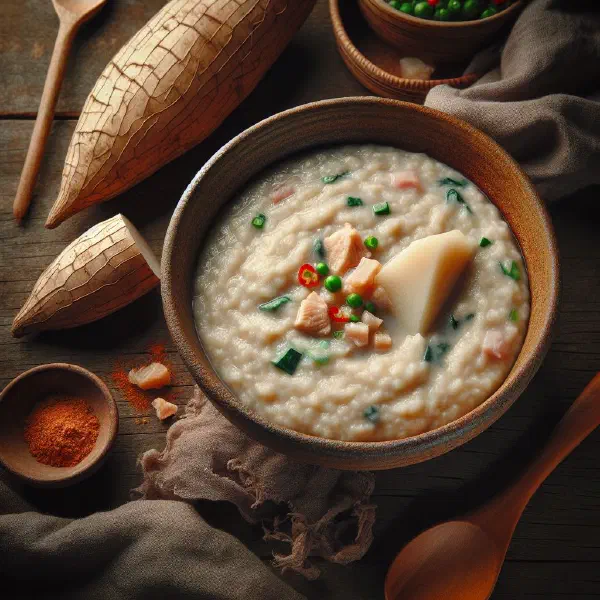
Say hello to Mpoto Mpoto, a comforting yam pottage that Ghanaian home cooks turn to time and again. Soft yam is simmered until tender, then folded into a rich base of onions, tomatoes and chillies for a dish that is warming, creamy and quietly satisfying. Whether it takes centre stage as a main or plays a supporting role alongside grilled fish, this humble one-pot brings the bold, sunny flavours of West Africa straight to your kitchen.
About Mpoto Mpoto
Mpoto Mpoto is a hearty yam pottage held in high regard across Ghana. The dish is loved for its creamy consistency and the harmonious meeting of gentle spices and fresh, everyday ingredients. In many West African households it appears both on special occasions and at relaxed family suppers, prized for how easily it comes together. Served as a main course or as a generous side, Mpoto Mpoto is a real feast for the senses and a fine window onto Ghanaian cuisine.
Ingredients (serves 1–2)
- 300g yam
- 1 onion
- 2–3 tomatoes
- 1–2 green chillies
- 2–3 tablespoons palm oil
- Salt and pepper, to taste
- Fresh herbs such as parsley or chives
Shopping for the ingredients
Look for the ingredients at a local market or an African grocery, where they are usually easy to find. The yam should be fresh and firm, steer clear of any that feel soft or show damage. The choice of spices matters too, as they define the dish’s unmistakable character. If you cannot get hold of palm oil, another oil will do, though the authentic flavour will be a little muted.
Preparing the dish
Begin by peeling the yam and cutting it into evenly sized pieces so it cooks through at the same rate. Meanwhile, get the onion, tomatoes and chillies ready. These can be diced or blended to a purée, depending on the texture you prefer for the finished pottage.
Step-by-step instructions
- Bring the yam to the boil in a pan of water and cook for about 15–20 minutes, until soft.
- Drain the cooked yam and lightly mash it in a bowl.
- Heat the palm oil in a pan and sauté the onion until translucent.
- Add the tomatoes and chillies, and let everything simmer together.
- Stir the mashed yam into the pan and combine it well with the sauce.
- Season with salt and pepper, and garnish with fresh herbs to taste.
Gluten-free / lactose-free version
Mpoto Mpoto is a superb choice for a gluten-free and lactose-free diet, since it is built entirely from natural, plant-based ingredients. With fresh yam, vegetables and spices, you can be confident the dish suits allergy sufferers too. Simply avoid additives or processed foods to keep the ingredients pure, and everyone at the table can tuck into Mpoto Mpoto without a second thought.
Tips for vegans and vegetarians
Mpoto Mpoto is naturally vegan, which makes it an ideal pick for vegans and vegetarians alike. If you would like to take the recipe further, stir in extra vegetables such as spinach or carrots for even more nutrients and flavour. Experiment with herbs and spices to shape the dish to your liking. Just keep the core ingredients in place so you do not lose the authentic taste.
More tips and tricks
To coax out the full aroma of Mpoto Mpoto, let it rest for a while after cooking so the flavours have time to settle and deepen. It also pays not to overcook the yam, so that it holds up when mashed and does not turn to mush. Play with the amount of spice until you hit the balance that is perfect for you, and enjoy this part of the cooking as much as the eating.
Adapting the recipe to your taste
Mpoto Mpoto is remarkably adaptable and easy to tune to personal preference. Add extra vegetables, for example, to pack more nutrients into the dish, or reach for more green chillies if you like things spicier. Bear in mind that every change nudges the original flavour, so it is best to introduce new ingredients gradually and taste as you go.
Ingredient substitutions
You can swap out a few ingredients in Mpoto Mpoto to suit what is in your cupboard or your own tastes. The yam, for instance, can be replaced with sweet potato for a sweeter result, the same trick that gives Sweet Potato Fufu its mellow character. Palm oil can give way to olive oil or coconut oil, each bringing its own flavour profile. You can get creative with the spices too, trying nutmeg or turmeric for extra depth.
Drink pairing ideas
A number of drinks sit happily alongside Mpoto Mpoto. Simple warm water or a refreshing tea makes an excellent partner that lets the flavours shine through. For something more special, offer fruity juices or a regional drink such as palm wine to round out the experience. Aim for light, refreshing options so they complement the pottage without dominating its taste.
Serving and presentation ideas
Presentation plays its part when serving Mpoto Mpoto. Arrange the dish in an attractive bowl and garnish it with fresh herbs or a slice of lemon. Serving it in smaller portions leaves room for a spread of sides and dips. A thoughtful table setting, with a few cultural touches, turns the meal into a genuine occasion.
A bit of history
Mpoto Mpoto carries a rich traditional history in Ghana and is woven deep into the country’s culture. It counts as an important part of everyday eating and is prepared in many regional variations. The use of yam can be traced back to early civilisations, when the tuber served as a staple food. Over time the dish has evolved, and every region has developed its own particular way of making and enjoying Mpoto Mpoto.
More recipe ideas
Summary: Mpoto Mpoto
Mpoto Mpoto is more than just a dish; it is a culinary experience that captures the flavours and traditions of Ghana. With simple, fresh ingredients and an uncomplicated method, it is within everyone’s reach. Whether for a festive supper or an easy family lunch, Mpoto Mpoto is sure to win people over. Give it a try and let the flavours of West Africa work their magic.