National Dish Ghana: Nkwan (Recipe)
In this article
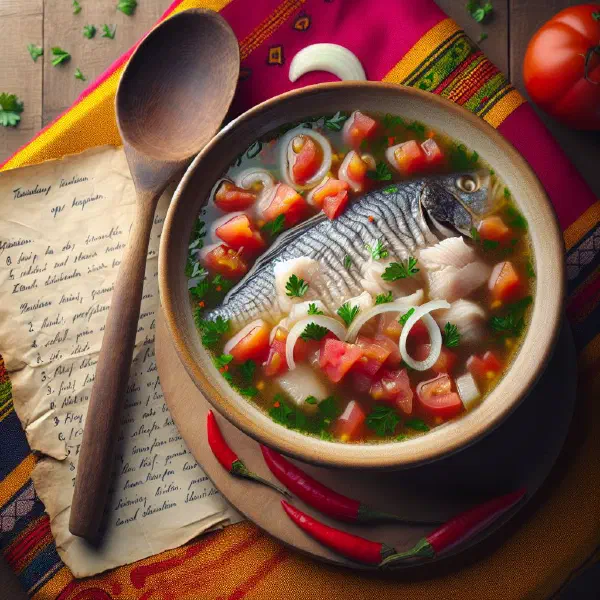
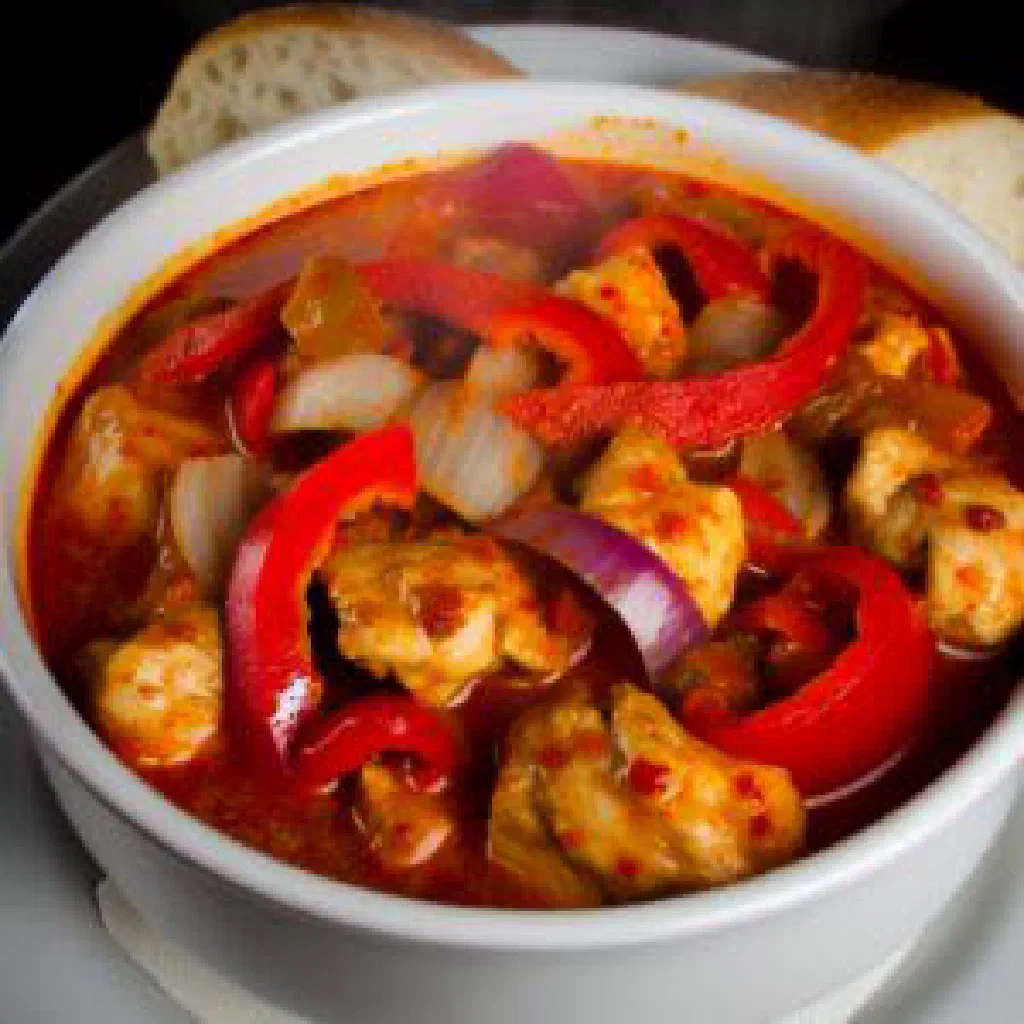
Meet Nkwan, a soul-warming soup that has simmered on Ghanaian stoves for generations. Built around tender meat, ripe tomatoes and a handful of fresh herbs, it strikes a lovely balance between hearty and fragrant. Stew-like bowl, Nkwan carries the flavours of West Africa straight to your table, comforting, honest food that suits a quiet family supper just as well as a lively gathering.
About Nkwan
Nkwan is a traditional national dish of Ghana, prepared in home kitchens for as long as anyone can remember. Its appeal lies in an aromatic combination of fresh herbs, vegetables and tender meat, gently simmered into a broth that is both nourishing and deeply flavoured. The mix of ingredients and the range of preparation styles make Nkwan a distinctive eating experience. It reflects the rich culture and cooking of Ghana.
Ingredients (serves 1–2)
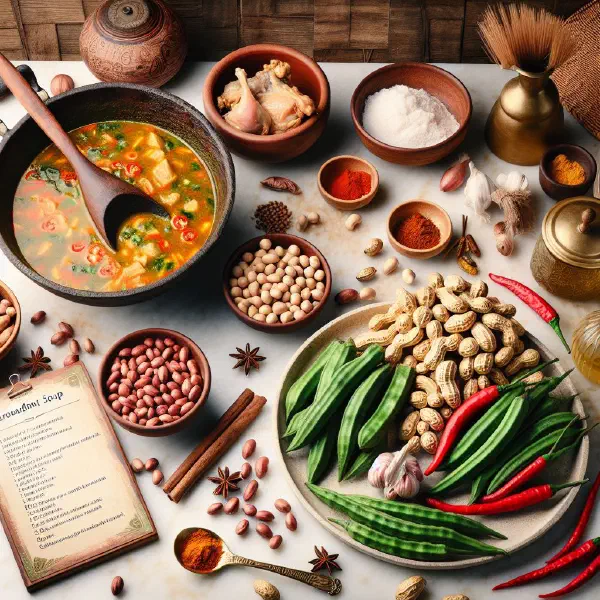
- 500 g chicken breast or beef
- 2 medium onions
- 1 red pepper
- 2–3 tomatoes
- 2 garlic cloves
- 1 bunch fresh herbs (such as parsley or coriander)
- 1 litre stock or water
- Salt and pepper, to taste
- 2 tablespoons palm oil or vegetable oil
Shopping for the ingredients
When shopping for Nkwan, it is worth seeking out fresh, good-quality produce. The choice of meat in particular can make a real difference to the final flavour of the dish. Most supermarkets and weekly markets will carry the fresh herbs and vegetables you need. It is also worth visiting a local African or Asian grocery, where you can track down the specific ingredients that give the soup its authentic character.
Preparing the dish
Good preparation is the key to a successful Nkwan. Begin by cutting the meat into even pieces so it cooks through at the same rate. Cleaning and chopping the vegetables and herbs happens at this stage too. Take care to finely chop the onions and garlic, as they form the aromatic base of the broth and set the tone for everything that follows.
Step-by-step instructions
- Heat the palm oil in a large pot over medium heat.
- Add the onions and garlic and fry until golden brown.
- Add the meat and brown it lightly on all sides.
- Stir in the diced tomatoes and pepper and let everything simmer briefly.
- Pour in the stock or water and bring to the boil.
- Add the chopped herbs and let the Nkwan simmer for 30–40 minutes, until the meat is tender.
- Season with salt and pepper and serve hot.
Gluten-free / lactose-free version
Nkwan is naturally gluten-free and contains no dairy, which makes it a great option for anyone with a gluten intolerance or lactose intolerance. Just take care to choose a stock or water that you know is free of unwanted additives. That way you can enjoy the dish without any worries. Feel free to experiment with different ingredients to tailor the soup entirely to your own needs.
Tips for vegans and vegetarians
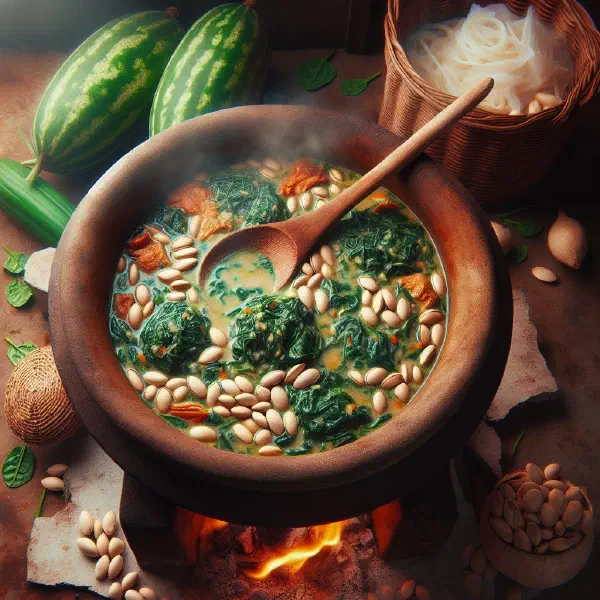
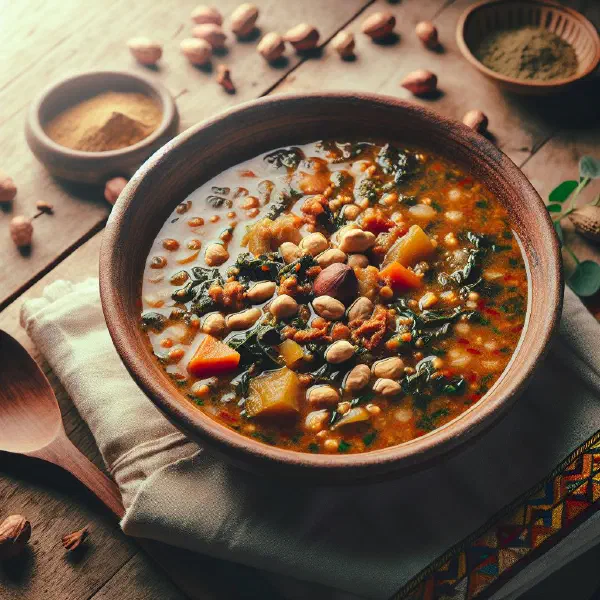
There are easy ways to adapt Nkwan for vegans and vegetarians. In place of meat, use tofu, seitan or a generous variety of vegetables to cover your protein needs. Lean on herbs and spices a little more heavily to recreate the rich, savoury depth of the traditional meat version. Swapping in vegetable stock keeps the dish completely plant-based, much like a comforting bowl of Groundnut Soup.
More tips and tricks
To make your Nkwan even tastier, try adding extra warming spices such as ginger or chilli. These lend the soup an interesting kick and intensify the overall flavour. Taste as you go while it cooks, adjusting the seasoning to suit you. Letting the pot simmer over low heat also gives the aromas the time they need to develop fully.
Adapting the recipe to your taste
The flexibility of Nkwan makes it easy to adjust to personal preferences. Feel free to experiment with different kinds of vegetables and herbs to reach exactly the flavour you are after. Even the type of meat can be varied to discover new taste combinations. Let your creativity run free and shape your Nkwan to your own liking, just as cooks do across the wider Ghanaian cuisine.
Ingredient substitutions
If some ingredients are hard to find, there are plenty of alternatives to fall back on. In place of fresh tomatoes, for example, you can use tomato purée or a fresh tomato sauce. For the broth, either vegetable or chicken stock works well and lets you play with different flavours. Frozen vegetables in place of fresh are another practical option that makes preparation that bit easier.
Drink pairing ideas
The right drink rounds off the Nkwan experience beautifully. Traditional Ghanaian choices such as hibiscus tea or palm wine make excellent companions to the soup. A refreshing homemade lemonade or fresh fruit juice also offers a sweet counterpoint to the savoury flavours. Experiment with drinks that complete your meal and add a fruity accent to the table.
Serving and presentation ideas
Thoughtful presentation can lift the enjoyment of your Nkwan considerably. Serve it in an attractive bowl and garnish with fresh herbs to add colour and freshness. A few slices of lime or lemon alongside make for a striking touch and plenty of flavour. Give some thought to how you arrange any side dishes too, so the whole spread looks as inviting as it tastes.
A bit of history
Nkwan has its roots in the rich culture of Ghana and mirrors the country’s culinary traditions. The preparation and the ingredients can vary from region to region, but the underlying idea always remains the same: to make the most of fresh, local produce. Over the years Nkwan has seen its ups and downs, adapting to the shifting tastes and preferences of the people. Today it counts among the most popular dishes in Ghana and is winning fans well beyond the country’s borders.
More recipe ideas
Summary: Nkwan
Nkwan is an incredibly versatile and flavourful dish that brings together the aromas and traditions of Ghana to perfection. With its wide range of ingredients and preparation styles, it has something to offer every palate. This is a dish for all occasions, from a relaxed family meal to a festive spread. Give it a try and discover the wonderful variety of Ghanaian cooking.