National Dish Ghana: Rice Balls with Groundnut Soup (Recipe)
In this article
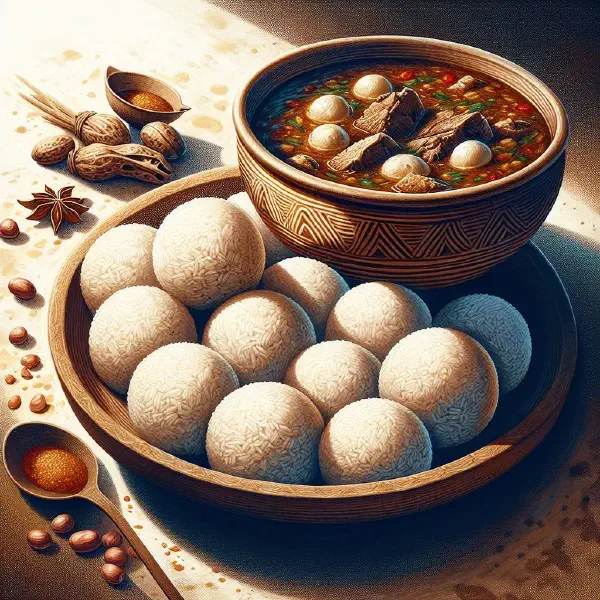
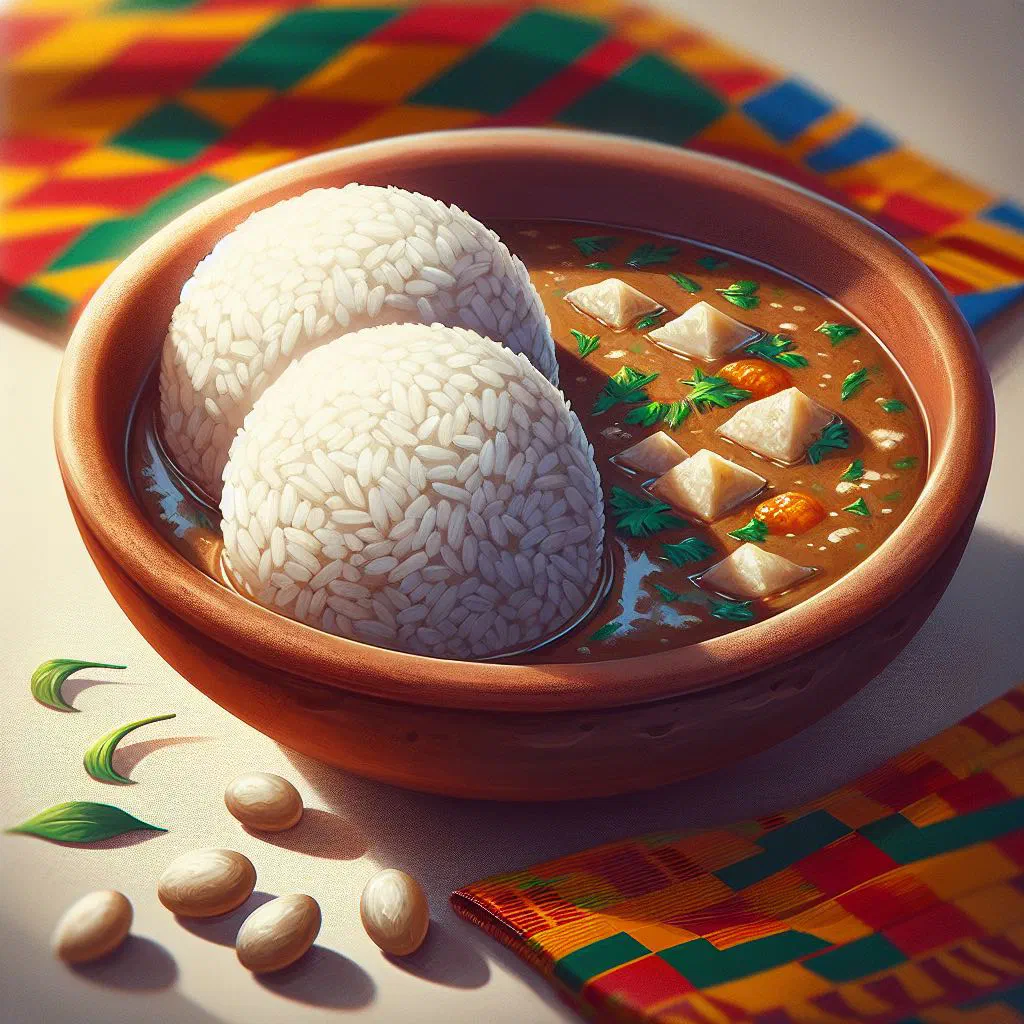
Discover Rice Balls with Groundnut Soup, a beloved classic from Ghana that captures the warm, layered flavours of West African cooking. Soft, sticky rice balls are spooned into a rich, nutty peanut sauce brightened with ginger, garlic and chilli, comforting, filling and full of character. Nourishing as well as delicious, it is a dish that wins over locals and visiting food lovers alike, and it brings a genuine taste of Ghanaian home cooking to your own table.
About Rice Balls with Groundnut Soup
Rice Balls with Groundnut Soup is a classic Ghanaian dish that brings together the many flavours of West African cuisine. The pairing of tender rice balls with a hearty peanut sauce is delicious and wonderfully nourishing. The sauce is usually enriched with a range of spices, and it is this generous seasoning that gives the dish its unmistakable character. Loved by home cooks and international food lovers alike, it is comfort food at its very best.
Ingredients (serves 1–2)
- 1 cup rice
- 2 cups water
- 1/2 cup peanut butter
- 1 onion, finely chopped
- 2 cloves garlic, crushed
- 1–2 chillies (to taste)
- 1 teaspoon grated ginger
- 2 cups vegetable stock
- Salt and pepper to taste
- Oil for frying
Shopping for the ingredients
To make Rice Balls with Groundnut Soup, start by gathering the ingredients you need. Most of them are easy to find in a well-stocked supermarket or at your local weekly market. Take care to choose a good-quality peanut butter, as it has a strong influence on the flavour of the sauce. Fresh spices and vegetables add extra brightness and aroma to the finished dish, much as they do in a classic Groundnut Soup.
Preparing the dish
Good preparation is an important step towards making Rice Balls with Groundnut Soup a success. Begin with the rice, washing it thoroughly and cooking it until soft and sticky. While the rice simmers, you can get on with the sauce, frying the onion and garlic together to build a flavour base. The interplay of these aromatics forms the foundation of the hearty groundnut soup.
Step-by-step instructions
- Cook the rice in 2 cups of water until it is very soft.
- In a pan, fry the onion and garlic in a little oil.
- Add the chillies and ginger and fry briefly to release their aroma.
- Stir in the peanut butter and vegetable stock, then let the sauce simmer.
- Shape the cooked rice into small balls.
- Serve the rice balls in the groundnut soup.
Gluten-free / lactose-free version
Rice Balls with Groundnut Soup is naturally gluten-free, as long as you use a gluten-free stock. If you want to avoid lactose, a plant-based peanut butter is the way to go. Just check that none of the products you use contain hidden gluten or lactose. This makes the dish suitable for a wide range of dietary needs without any loss of flavour.
Tips for vegans and vegetarians
This dish is already suitable for vegans, provided you use a vegetable stock. When choosing your peanut butter, make sure it contains no animal products. The same goes for the spices and oil, where plant-based alternatives are easy to find. That way you can enjoy a tasty, wholesome dish that is rich in protein and healthy fats.
More tips and tricks
To make Rice Balls with Groundnut Soup even tastier, you can add extra vegetables such as peas or carrots. You can also adjust the heat of the sauce by using more or fewer chillies. A squeeze of lime juice just before serving lends the dish a refreshing lift, while fresh herbs like coriander or parsley make a lovely finishing touch.
Adapting the recipe to your taste
Everyone has their own preferences, and Rice Balls with Groundnut Soup adapts beautifully. You could swap the peanut butter for another nut butter to discover new flavours, for example. Stirring a little coconut milk into the sauce gives it a creamier consistency.
Ingredient substitutions
If you are missing one of the ingredients for Rice Balls with Groundnut Soup, there are plenty of alternatives. Rice can be replaced with quinoa, for instance, which gives the dish an interesting texture. The peanut butter can be swapped for almond or cashew butter to offer a new flavour experience, the kind of nutty richness you also find in Peanut Butter Soup.
Drink pairing ideas
Freshly pressed juices or a lightly sparkling mineral water go wonderfully with Rice Balls with Groundnut Soup. For something with more body, a fruity cocktail or a good African beer makes the perfect partner. These drinks help to refresh the palate and balance the flavours. You might also try different teas for a completely new tasting experience.
Serving and presentation ideas
Presentation matters a great deal when it comes to serving this dish attractively. Rice Balls with Groundnut Soup works well arranged in deep bowls, making it easy for guests to scoop up every bit. Garnish with fresh coriander or other herbs for a lovely splash of colour. Small dishes of extra spices or a wedge of lime on the side also look inviting and let guests season the dish to their own liking.
A bit of history
The origins of Rice Balls with Groundnut Soup reach deep into the traditions of West African cuisine. Rice is a staple in many African dishes and often stands for prosperity and abundance. Groundnuts, too, play a significant role in the Ghanaian diet, as they are rich in nutrients. Bringing rice and peanuts together in a single dish reflects the diverse culinary influences and the creative use of local produce that define Ghanaian cuisine.
More recipe ideas
Summary: Rice Balls with Groundnut Soup
Rice Balls with Groundnut Soup is a delicious example of the flavours of Ghanaian cooking. With very little effort you can put together a nourishing, flavourful dish that is both filling and full of taste. It suits special occasions just as well as a simple family gathering. Let this recipe inspire you and enjoy a piece of African culture on your plate.