National Dish Ghana: Sobolo (Recipe)
In this article
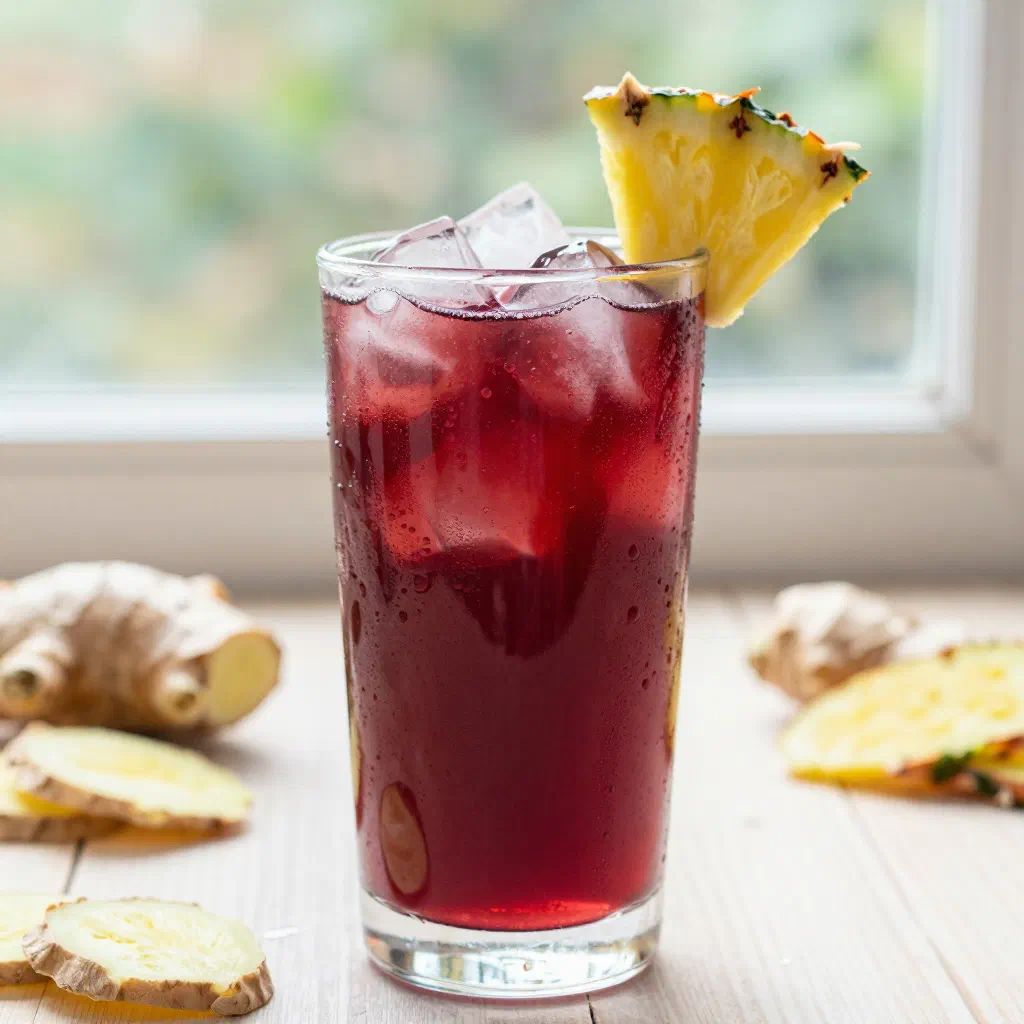
Meet Sobolo, Ghana’s ruby-red hibiscus drink and one of the most refreshing thirst-quenchers in West African cooking. Made from dried hibiscus flowers and brightened with fresh ginger and a touch of sweetness, it can be poured over ice on a hot afternoon or served warm on a cool evening. A regular sight at family gatherings and celebrations alike, this bright infusion brings a splash of Ghanaian hospitality straight to your own kitchen.
About Sobolo
Sobolo is a traditional drink from Ghana, made by steeping dried hibiscus flowers in water. It is prized for its brilliant red colour and its clean, refreshing taste, which is often rounded out with the warmth of ginger and a little sugar. Far more than a simple thirst-quencher, sobolo is a fixture at cultural events and celebrations across the country. It is just as happily served hot, which makes it a wonderfully versatile drink for any season.
Ingredients (serves 1–2)
- 2 cups dried hibiscus flowers
- 1 litre water
- 1–2 pieces fresh ginger, grated
- 1/2 cup sugar (to taste)
- Optional: 1 lemon or lime, to finish
Shopping for the ingredients
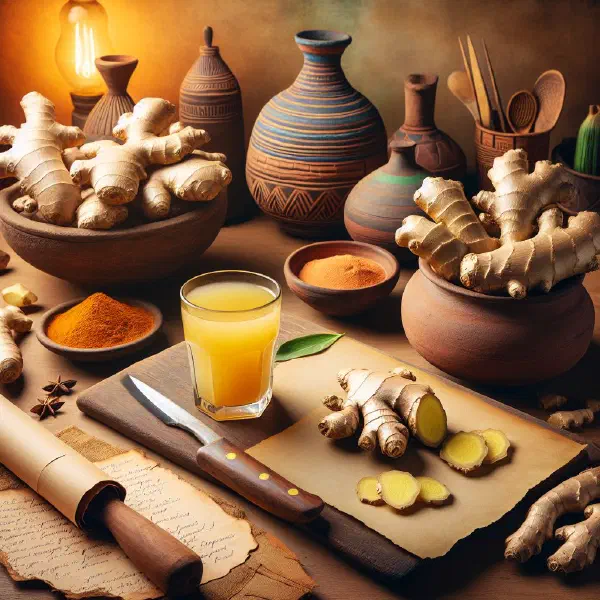
The ingredients for sobolo are easy to find in most African or Asian grocery shops. Dried hibiscus flowers are the heart of the drink and should be of good quality to give you the best flavour. Ginger can be bought fresh or as a powder, but fresh ginger delivers a far more vivid aroma. Look out for fresh citrus too, in case you decide to lift your sobolo with an extra note of brightness.
Preparing the dish
Before you start making your sobolo, it is worth getting all your ingredients ready. The hibiscus flowers should be rinsed thoroughly to remove any grit or impurities. The ginger needs to be peeled and grated so it can release its full flavour. If you would like to use a lemon or lime, halve the fruit and squeeze out the juice, ready to add during the final stage of preparation.
Step-by-step instructions
- Bring 1 litre of water to the boil in a large pan.
- Add the rinsed hibiscus flowers and let them simmer for 15–20 minutes.
- Once the flowers have released their colour, take the pan off the heat and let the mixture cool.
- Strain the liquid through a fine sieve to remove the flowers.
- Add the grated ginger and the sugar, stirring until the sugar has completely dissolved.
- Stir in the lemon or lime juice to taste.
- Serve the sobolo warm, or chill it in the fridge and serve cold.
Gluten-free / lactose-free version
Sobolo is naturally gluten-free and lactose-free, which makes it a great choice for anyone with particular dietary needs. There is no need to worry about problem ingredients, as the recipe contains neither gluten nor dairy. So you can enjoy this refreshing drink with complete peace of mind, whatever your requirements happen to be.
Tips for vegans and vegetarians
For vegans and vegetarians, sobolo is an excellent choice, as it is made entirely from plant-based ingredients. Use sugar as the recipe describes, or a plant-based sweetener, to adjust the drink to your taste. Just take care that any additional ingredients you choose contain no animal products, particularly when it comes to variations and toppings.
More tips and tricks
A key tip for making sobolo is choosing the right hibiscus flowers. Make sure they are fresh and well kept, so you get the very best flavour. If you fancy a more intense taste, you can extend the simmering time of the hibiscus flowers. A balance of sweet and sour citrus notes, from a squeeze of lime or lemon, can heighten the drink’s refreshing character. Experiment with the amount of sugar, too, to find the perfect level of sweetness for your palate.
Adapting the recipe to your taste
The recipe for sobolo is easy to adapt to personal preference. If you would like a less sweet drink, reduce the sugar or use alternative sweeteners such as maple syrup or agave nectar. You can also experiment with extra ingredients, such as mint or cinnamon, to create new flavour directions. For an even fruitier version, add fresh fruit juice or pieces of fresh fruit.
Ingredient substitutions
If you cannot find hibiscus flowers, you can use alternatives such as rooibos or other fruity teas, prepared in a similar way. In place of ginger, you might use cinnamon or nutmeg for a different accent of flavour. If you would rather avoid sugar, there are plenty of natural sweeteners perfectly suited to the job. By experimenting with different combinations, you can create a unique version of sobolo that suits your own taste, much as you might tweak a batch of homemade Ginger Beer.
Drink pairing ideas
Sobolo is a wonderful refreshment in its own right, but you can also plan complementary drinks and dishes around it. Ghanaian dishes served with rice or meat, such as a plate of Jollof Rice, pair beautifully with sobolo, which balances the flavours perfectly. Fruit smoothies or coconut water could make a delicious addition to a sociable evening. Consider offering a couple of different drinks to surprise your guests.
Serving and presentation ideas
The presentation of sobolo can be made even more appealing with a few creative touches. Serve the drink in elegant glasses or jugs and garnish it with fresh fruit or mint leaves to smarten up the look. A few ice cubes in the summer version of the drink add an inviting, cooling effect. Use vivid colours to make the composition as pleasing to the eye as it is to the palate, the sight of a well-dressed drink adds a great deal to the whole experience.
A bit of history
Sobolo has a long tradition in Ghana and is often linked to various cultural practices and festivals. The drink is popular because it tastes good, and because it offers refreshing relief on hot days. In many Ghanaian communities, making sobolo is a social act, often shared with friends and family. Offering sobolo to guests is a mark of hospitality too, a genuine piece of Ghanaian cuisine and culture. It sits alongside other beloved local drinks such as Atadwe Milk.
More recipe ideas
Summary: Sobolo
In summary, Sobolo is a versatile and refreshing drink that is easy to make at home. With its beautiful red colour and fruity aromas, it is ideal for all kinds of occasions, from a relaxed family gathering to a festive celebration. Its simple preparation and room for adaptation make sobolo a perfect way to let your creativity loose in the kitchen. Give our recipe a try and let the rich culture of Ghana win you over.