National Dish Grenada: Cassava Pone (Recipe)
In this article
Discover Cassava Pone, the sweet, chewy bake that Grenadians have loved for generations. Freshly grated cassava meets shredded coconut, warm spice and just enough sugar to turn a humble root into a treat worth queuing for. It bakes in a single tin, needs no special equipment, and fills the kitchen with the scent of cinnamon and nutmeg. One square and you will understand why the Caribbean holds this bake so dear.
About Cassava Pone
Cassava Pone is a traditional bake from Grenada that celebrates the unusual pairing of fresh cassava, coconut and fragrant spices. The recipe has been passed down largely unchanged over the years and remains a fixture of Caribbean home cooking. Usually served as a dessert or a simple everyday snack, it wins people over with its dense, moist texture and unmistakable flavour. It is delicious and one of the easiest ways to bring the taste of the islands into your own kitchen.
Ingredients (serves 1–2)
- 2 cups grated cassava
- 1 cup desiccated coconut
- 1/2 cup sugar (or to taste)
- 2 eggs
- 1/2 cup milk (or a plant-based alternative)
- 1/2 teaspoon cinnamon
- 1/4 teaspoon nutmeg
- 1 pinch of salt
- Butter or oil, for greasing the baking tin
Shopping for the ingredients
To make cassava pone you need a small selection of fresh, good-quality ingredients. Fresh cassava turns up in well-stocked supermarkets and on local markets; if you cannot find it, look for frozen or ready-grated cassava, which works perfectly well. When buying coconut, choose an unsweetened variety so the natural sweetness of the coconut comes through rather than being masked by added sugar. Grenada is famous for its spice crop, so buy the best nutmeg you can. It is the ingredient that makes this bake taste of the island.
Preparing the dish
Getting cassava pone ready involves a few straightforward steps. First, peel the cassava thoroughly, as the skin is toxic and must be removed completely. Once peeled, grate the flesh finely. This is what gives the finished bake its characteristic texture. Then weigh out and lay out the remaining ingredients so the mixing and baking run smoothly from start to finish.
Step-by-step instructions
- Preheat the oven to 180 °C and grease a baking tin.
- In a large bowl, combine the grated cassava, coconut, sugar, cinnamon, nutmeg and salt.
- Add the eggs and milk and stir well until the mixture is evenly blended.
- Pour the mixture into the prepared tin and smooth the surface level.
- Bake in the preheated oven for around 45–50 minutes, until the top is golden brown.
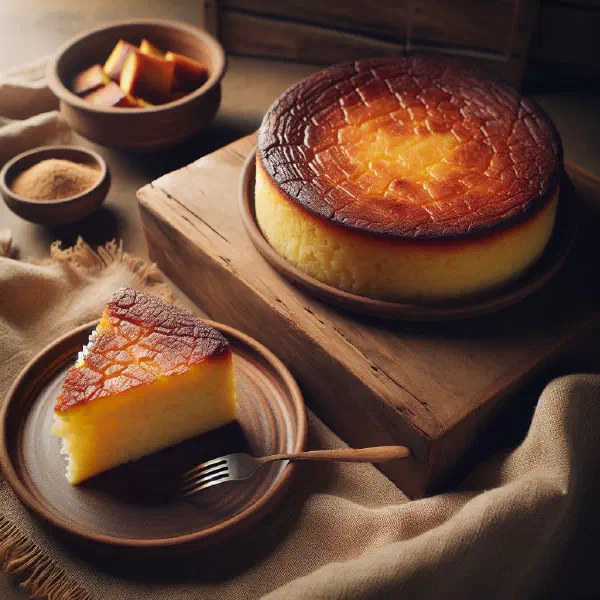
- Let the pone cool slightly after baking, then cut it into squares and serve.
Gluten-free / lactose-free version
One of the great things about cassava pone is that it is naturally gluten-free and easy to make lactose-free. Simply use a plant-based milk such as almond or coconut milk to create a delicious dairy-free version. These small adjustments make the bake perfectly suited to anyone with dietary restrictions or allergies. That way even more people can enjoy this traditional Caribbean snack.
Tips for vegans and vegetarians
To make cassava pone vegan, replace the eggs with apple purée or ground flaxseed mixed with water. Both bind the mixture and give a very similar texture to the original. Any dairy can be swapped for a plant-based alternative without affecting the result. These substitutions open up a classic of the Caribbean kitchen to everyone while keeping the flavour intact.
More tips and tricks
A few pointers will help you bake the best possible cassava pone. Do not over-process the cassava, as too fine a pulp changes both consistency and taste. Experiment with extra flavourings such as ginger or vanilla to add a personal touch. It is also worth warming the pone gently just before serving, which brings the aromas back to life. Small tricks like these make a real difference and lift the finished bake to another level.
Adapting the recipe to your taste
Cassava pone is a versatile bake that takes easily to personal tweaks. Feel free to use other sweeteners such as honey or agave syrup in place of sugar. You can also increase the amount of coconut if you want a more pronounced coconut flavour. For a richer, more indulgent version, fold in nuts or dried fruit to add extra texture and depth, much as you would for a Black Cake.
Ingredient substitutions
If you are looking for alternatives to particular ingredients, there are plenty of options. Instead of white sugar you might use coconut sugar or stevia for a lower-calorie result. Unsweetened chocolate chips can stand in for some of the coconut and shift the bake in a more dessert-like direction.
Drink pairing ideas
Several drinks go beautifully with a square of Cassava Pone. A refreshing Caribbean rum punch complements the spiced sweetness wonderfully. Fresh fruit juices such as pineapple or mango are another good match and echo the tropical character of the bake. For an alcohol-free option, a fiery Ginger Beer or a glass of coconut water makes the perfect partner.
Serving and presentation ideas
Presentation can lift the cassava pone experience considerably. Serve the squares on a bright, colourful plate and garnish with fresh fruit or a sprig of mint. Cut into small cubes, the pone also works brilliantly as a party bite handed round on a platter. Setting the table with a few Caribbean touches rounds off the meal and takes your guests on a short trip to the islands.
A bit of history
Cassava pone has a long history rooted deep in Caribbean culture. Cassava, also known as manioc, was a staple food for the indigenous peoples of the region and remains a cornerstone of Grenadian cuisine to this day. Over time, changes in preparation and available ingredients have shaped the recipe into the version we know now. Despite all that, the traditional flavour and its cultural connection remain unchanged, which is why the bake is still made in so many households.
More recipe ideas
Summary: Cassava Pone
Cassava pone is far more than a simple snack. It is a piece of Caribbean culture that slots effortlessly into any kitchen. With its very good combination of fresh cassava and coconut, it puts the flavours of Grenada straight onto your plate. This bake delivers. Take your time over the ingredients, enjoy how easy the method is, and treat yourself to a taste of the islands at home.