National Dish Grenada: Cornmeal Porridge (Recipe)
In this article
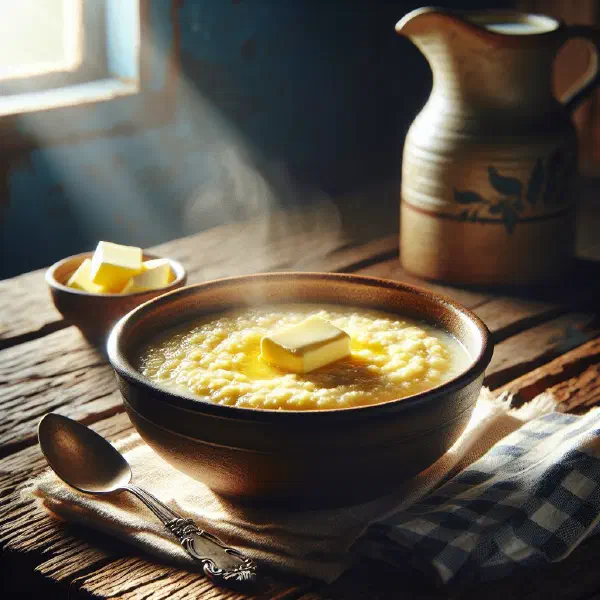
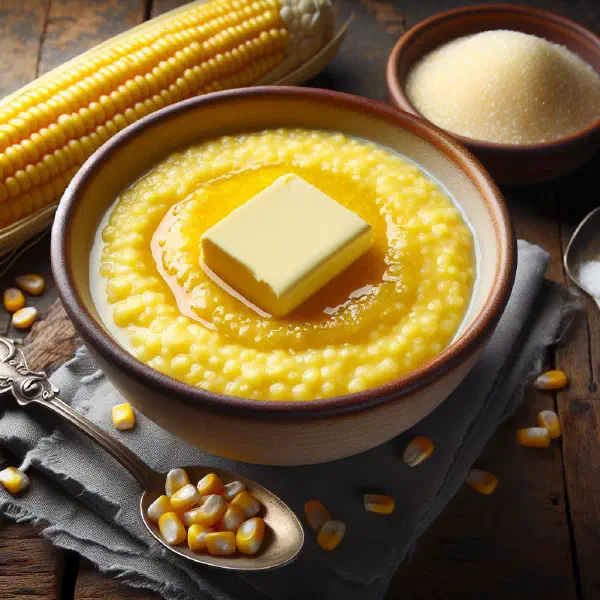
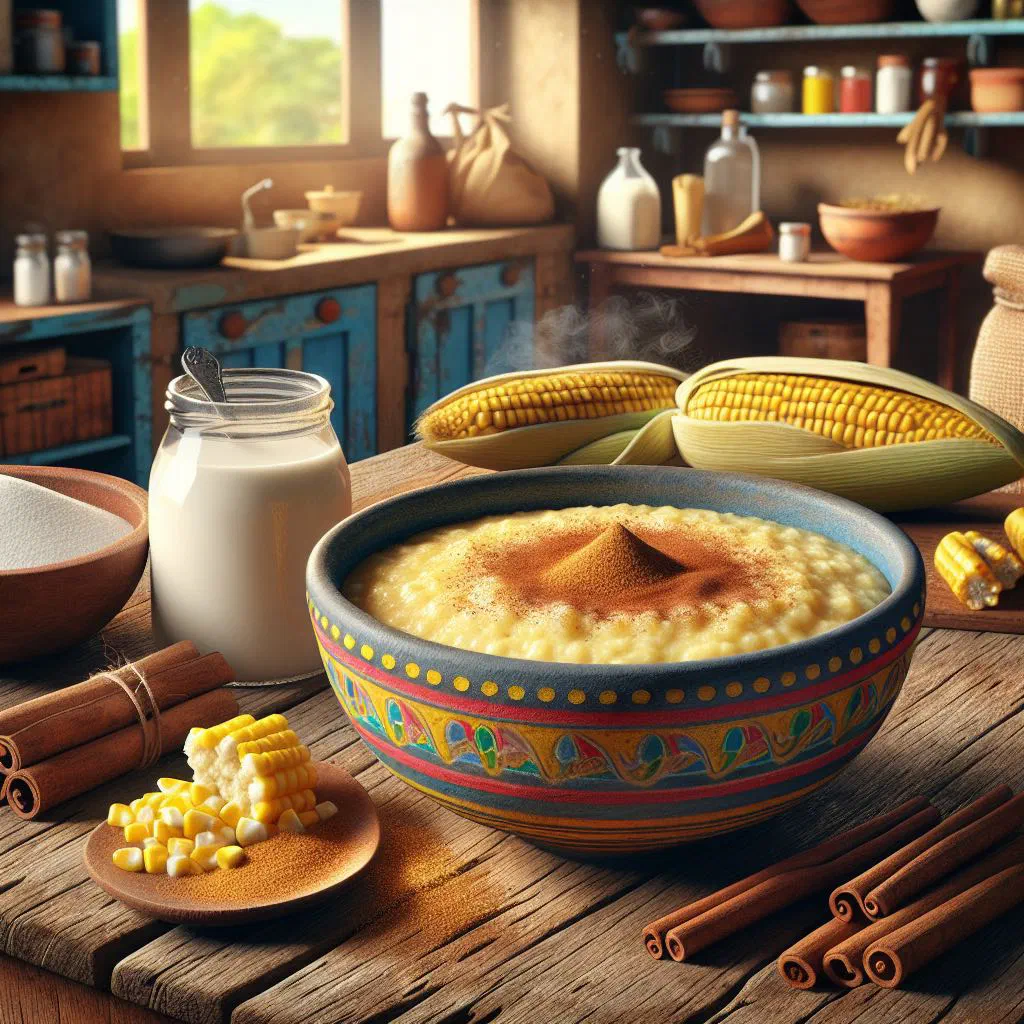
Wake up the Caribbean way with Cornmeal Porridge, one of Grenada’s best-loved breakfast bowls. Fine cornmeal is simmered slowly until it turns silky and thick, then enriched with coconut milk, a whisper of nutmeg and a little vanilla. It is nourishing, gently sweet and endlessly adaptable, a comforting start to the day that carries the spice-island character of Grenada straight to your own kitchen.
About Cornmeal Porridge
Cornmeal Porridge is a true Grenadian staple that gathers up generations of affectionate island tradition in a single bowl. It is built on fresh cornmeal, which gives the porridge its creamy body, and it is lifted by a generous hand with warm spices. Alongside the cornmeal, coconut and sometimes a scattering of fresh fruit are the classic additions that round out the flavour. The dish is not only nourishing but remarkably versatile, and it pairs perfectly with an energetic start to the day.
Ingredients (serves 1–2)
- 1 cup cornmeal
- 3 cups water or milk
- 1/2 cup coconut milk
- 2 tablespoons sugar or honey, to taste
- 1 teaspoon vanilla extract
- A pinch of nutmeg
- A pinch of salt
Shopping for the ingredients
For a really good cornmeal porridge it is worth using fresh, good-quality ingredients. Cornmeal is stocked by most supermarkets and health-food shops, and it usually comes in several different grinds. Choose organic where you can, especially for the coconut milk, which is the same rich base that gives dishes such as Coconut Rice their character. Spices such as nutmeg and vanilla extract should be fresh and fragrant to get the very best flavour.
Preparing the dish
Getting the porridge ready is straightforward and takes only a few steps. Begin by laying out all your ingredients so the process runs efficiently from start to finish. Measure the cornmeal into a large mixing bowl, and heat the water or milk in a heavy saucepan. Once the liquid comes to the boil, the cornmeal can be added carefully and gradually to avoid any lumps forming.
Step-by-step instructions
- Bring the water or milk to the boil in a saucepan.
- Add the cornmeal in a steady stream, stirring constantly so that no lumps form.
- Turn down the heat and let the porridge simmer for 10–15 minutes, until thick and creamy.
- Stir in the coconut milk, sugar, vanilla extract and spices and mix thoroughly.
- Serve the porridge hot, garnished if you like with fresh fruit or chopped nuts.
Gluten-free / lactose-free version
Cornmeal Porridge is naturally gluten-free, since cornmeal is the only grain involved. For a lactose-free version, simply use extra water or a plant-based milk such as almond or oat milk in place of dairy. These small adjustments make the dish accessible to anyone with an intolerance or particular dietary needs. That way even more people can enjoy the flavour and the cultural meaning of this porridge.
Tips for vegans and vegetarians
Vegan and vegetarian versions of Cornmeal Porridge are easy to put together. Instead of honey, sweeten the bowl with maple syrup or agave nectar. You can also add plenty of dried fruit or nutty toppings for extra flavour and texture. These adaptations keep the dish both nourishing and delicious for every kind of diet.
More tips and tricks
A few small tricks help you get the porridge just right. Slow, patient stirring while it cooks is the key to that desirable creamy consistency. Experiment with different spices such as cinnamon or cardamom to discover new flavour directions. You can also finish the pot with a spoonful of coconut oil to deepen the tropical note, the same trick that works beautifully in a Coconut Bake.
Adapting the recipe to your taste
Cornmeal Porridge adapts easily to personal preference. Add extra fruit such as bananas or chunks of mango to bring a fresh note to the bowl. The amount of sugar can be increased or reduced entirely according to taste. In this way everyone can create their own individual flavour experience.
Ingredient substitutions
There are plenty of alternatives you can use in Cornmeal Porridge, depending on what you have to hand. Instead of coconut milk, soya milk or rice milk works perfectly well. For a different texture you can also blend some millet into the cornmeal, or take the savoury route entirely with the same base used in Cornmeal Cou Cou. These options broaden both the texture and the nutritional value of the dish and open up new discoveries every time.
Drink pairing ideas
Several drinks go beautifully with a bowl of Cornmeal Porridge. A freshly squeezed orange juice or a carrot and ginger juice complements the dish perfectly and brings a fruity freshness to the table. A cup of coffee or green tea makes a lovely accompaniment too. For something more indulgent, blend a tropical smoothie with banana and pineapple, or pour a mug of Cocoa Tea to underline the Caribbean mood.
Serving and presentation ideas
Thoughtful presentation lifts the whole experience. Serve the porridge in bowls of ceramic or wood for a pleasantly rustic feel. Garnish with fresh fruit, nuts or a drizzle of honey for a touch of elegance. Edible flowers can be used as well, creating a colourful, welcoming spread that appeals to the eye as much as the palate.
A bit of history
Cornmeal Porridge has a long history reaching deep into Caribbean tradition. Originally developed around maize, a regional staple crop, it remains a much-loved dish in households across the islands today. Every country has its own variation, often built on local produce and particular cooking methods. The porridge symbolises everyday food culture and the enduring bond between the people of the Caribbean and their land, the same spirit that runs through the rest of Grenadian cuisine.
More recipe ideas
Summary: Cornmeal Porridge
Cornmeal Porridge is more than a nourishing breakfast; it is a small tour into the Caribbean. Its versatility and its wealth of aromas and textures make it a perfect dish for all sorts of tastes. Everyone can add their own personal touch. Every spoonful carries a piece of Grenada’s tradition and culture, an experience not to be missed.