National Dish Grenada: Shrimp Oil Down (Recipe)
In this article
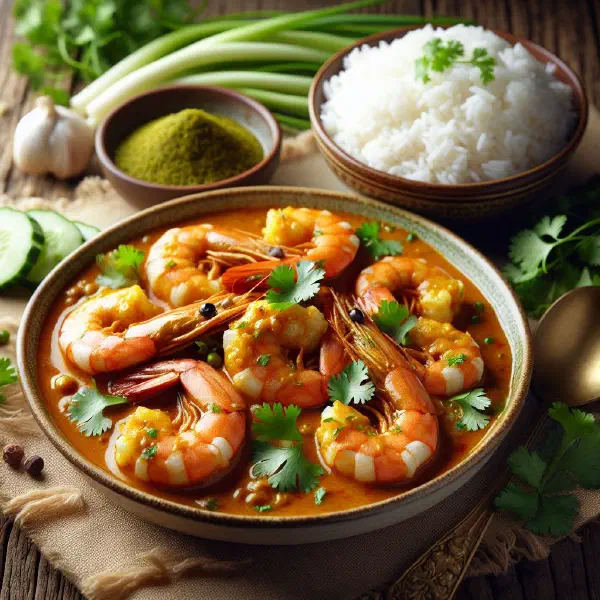
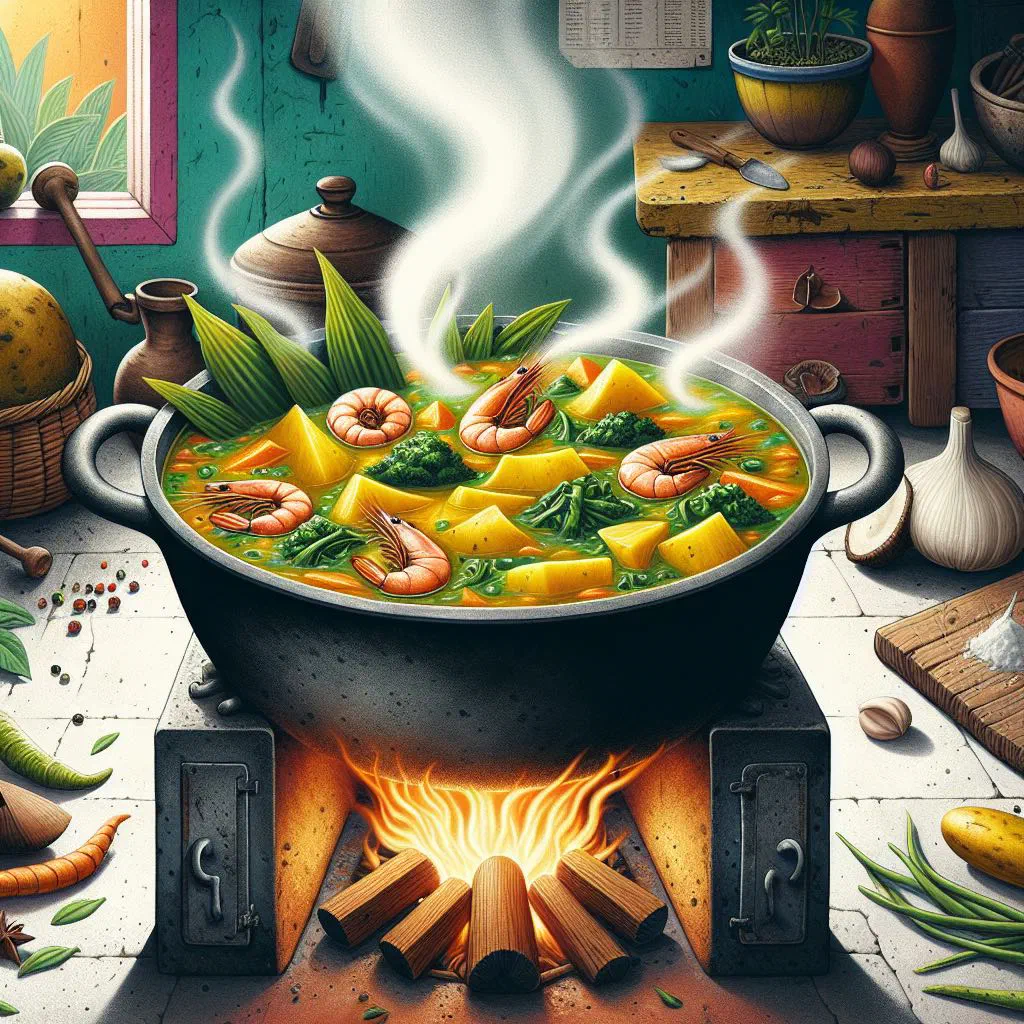
Discover Shrimp Oil Down, the pride of Grenada’s kitchens and one of the Caribbean’s great one-pot pleasures. Plump prawns simmer gently in silky coconut milk with thyme, curry and sweet island vegetables until everything turns rich and golden. It is celebration food, but it comes together on a weeknight with very little fuss, bring a little tropical sunshine to your own stove.
About Shrimp Oil Down
Shrimp Oil Down is Grenada’s national dish and a genuine highlight of Caribbean cooking. It brings together fresh prawns, a creamy coconut milk base and a generous handful of aromatic spices and vegetables. The dish is often made for festive occasions or family gatherings, and it says a great deal about the island’s food culture. The flavours are varied yet beautifully harmonious, and the result is the kind of meal you remember long after the bowl is empty.
Ingredients (serves 1–2)
- 250 g fresh prawns
- 400 ml coconut milk
- 1 medium onion, diced
- 2 cloves of garlic, chopped
- 1 small pepper, diced
- 2 carrots, sliced
- 1 teaspoon thyme
- 1 teaspoon curry powder
- Salt and pepper to taste
- 1 tablespoon oil, for frying
Shopping for the ingredients
To make Shrimp Oil Down properly, buy your ingredients as fresh as you can. A visit to a local fishmonger is the best way to get top-quality prawns: look for firm, glossy shells and a clean sea smell rather than anything sharp or fishy. Asian and Caribbean grocers usually stock good full-fat coconut milk along with the thyme and curry powder you will need.
Preparing the dish
Before you start cooking, set out everything you need. The prawns should be rinsed thoroughly and deveined, which makes a real difference to the finished flavour. The vegetables should be washed and cut to an even size so they cook at the same rate. Have a large frying pan or a deep pot ready, roomy enough to fold all the ingredients together comfortably.
Step-by-step instructions
- Heat the oil in a large pan, add the diced onion and chopped garlic, and fry until translucent.
- Add the diced pepper and the sliced carrots and fry for about 5 minutes.
- Tip in the fresh prawns and cook until they begin to turn pink.
- Pour in the coconut milk and season with thyme, curry powder, salt and pepper.
- Cover the pan and let everything simmer over low heat for about 10 minutes, until the vegetables are tender and the prawns are cooked through.
Gluten-free / lactose-free version
Shrimp Oil Down is naturally gluten-free, since none of the ingredients contain gluten. To keep it lactose-free as well, simply check that your coconut milk has no dairy-based additives, good brands list nothing but coconut extract and water.
Tips for vegans and vegetarians
Although Shrimp Oil Down is traditionally made with prawns, a vegan version works well. Replace the seafood with tofu or seitan, both of which hold their shape and soak up the coconut sauce nicely. To keep the characteristic savoury depth of the dish, add a little seaweed or a vegan seafood seasoning. The result is every bit as fragrant and satisfying, and suits everyone at the table.
More tips and tricks
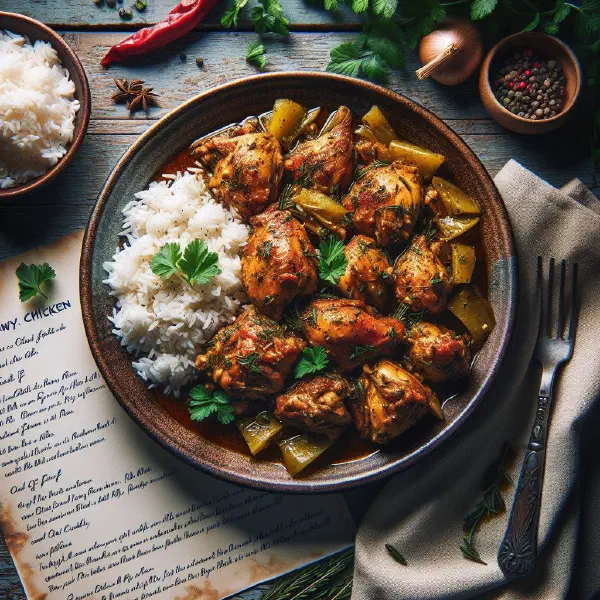
For the fullest flavour, treat the spicing as flexible. Experiment with cumin or paprika to give the dish your own signature, and stir in fresh herbs such as coriander right at the end so their aroma stays bright. If you like heat, fresh chilli or a pinch of cayenne pepper lifts the whole pot, the same fiery approach that makes Jerk Chicken so memorable.
Adapting the recipe to your taste
Shrimp Oil Down takes happily to adaptation. Depending on what you enjoy, swap in different vegetables such as courgette or broccoli, or add a handful of greens the way a good Callaloo Soup does. The quantity of coconut milk can be adjusted too, according to how creamy you like your sauce. Let your imagination run and combine whatever appeals to you.
Ingredient substitutions
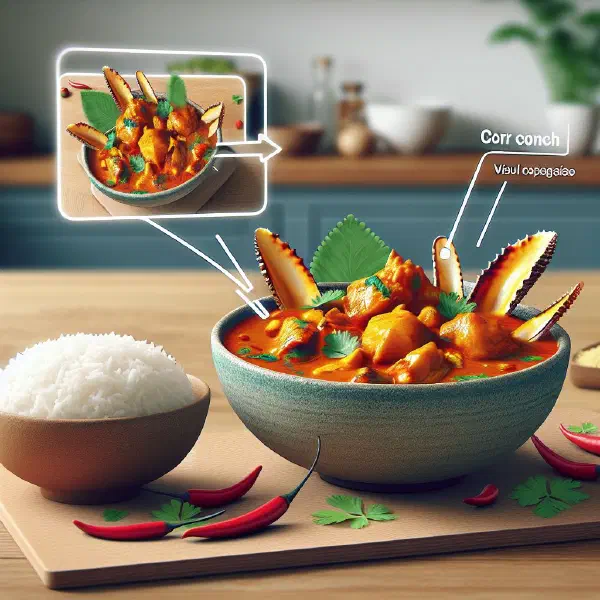
If prawns are hard to come by, other protein sources such as chickpeas work well, and conch is the classic island alternative, as in a hearty Conch Curry. For a lighter option, use vegetable stock in place of some of the coconut milk to loosen the sauce. You can also swap the classic Caribbean spices for Asian or Mediterranean blends to give the dish an entirely new twist.
Drink pairing ideas
A dish as generous as Shrimp Oil Down deserves a drink to match. A fresh mojito or a piña colada is the obvious partner and brings the Caribbean straight to the table. Fruity smoothies also work beautifully, as does a sharp, citrus-bright Lemonade. Whatever you choose, serve it well chilled to make the most of that summer feeling.
Serving and presentation ideas
Presentation can make all the difference with Shrimp Oil Down. Serve it in a wide, shallow bowl and garnish with fresh herbs such as parsley or coriander for a lift of colour. Colourful crockery plays up the warm gold of the sauce, and a few lime wedges on the rim not only look inviting but add a welcome kick of acidity when squeezed over.
A bit of history
Shrimp Oil Down has its roots in traditional Caribbean cooking, shaped by the many cultures that have met on these islands. It is a communal dish, cooked for festivals and family gatherings, and its pairing of seafood with tropical flavours shows how closely the region’s food follows its landscape. Many families have developed their own version over generations, each one reflecting a piece of their history, a hallmark of Grenadian cuisine.
More recipe ideas
Summary: Shrimp Oil Down
Shrimp Oil Down is a delicious national dish of Grenada, winning people over with its mix of fresh prawns, rich coconut milk and fragrant spices. It captures the unmistakable taste of the Caribbean while remaining wonderfully versatile and easy to adjust. The flavours and the presentation make Shrimp Oil Down a real treat. Bring a piece of the islands into your kitchen and enjoy the range and generosity of this remarkable cuisine.