National Dish Guatemala: Tamal de Cambray (Recipe)
In this article
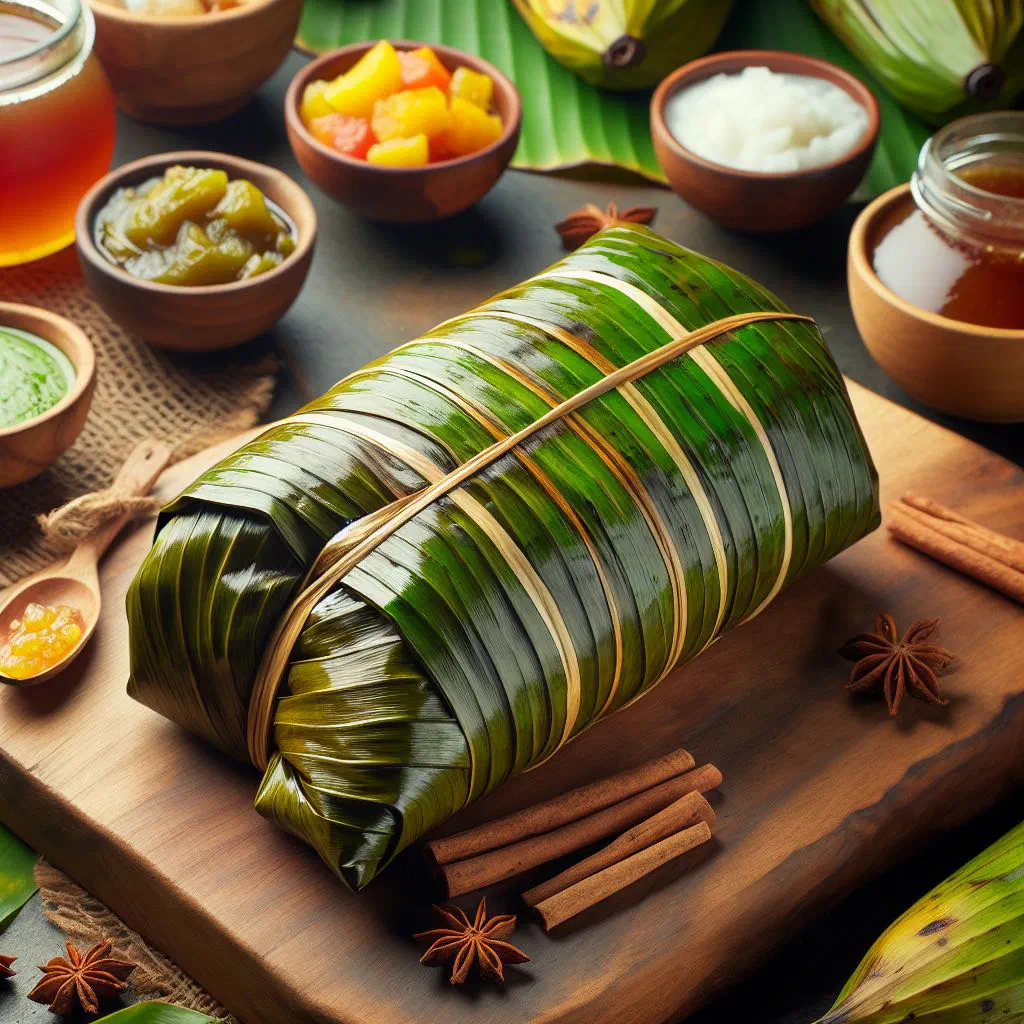
Meet Tamal de Cambray, a jewel of Guatemala’s festive table that appeals to the eye as much as the palate. This celebrated speciality brings together soft corn masa, dried fruit and crunchy nuts, all bundled up in fragrant banana leaf and gently steamed. Savoury and subtly sweet at once, it is the kind of dish that turns any gathering into a celebration. Bring a taste of Guatemalan tradition straight to your own kitchen.
About Tamal de Cambray
Tamal de Cambray is a traditional dish from Guatemala that seduces both the eye and the palate. This culinary delicacy unites the flavours of corn masa, dried fruit and nuts, and is a beloved fixture of Guatemalan festive cooking. The tamal is often prepared with a hearty filling and takes on its unique character through the addition of spices and aromatics. It is especially prized for its versatility, since it can be adapted to suit the occasion and personal taste.
Ingredients (serves 1–2)
- 250 g corn flour (masa harina)
- 100 g cooked chicken (or a vegan alternative)
- 50 g almonds, roughly chopped
- 100 g dried fruit (such as raisins and cranberries)
- 1 tsp baking powder
- 250 ml vegetable stock or chicken stock
- 2 banana leaves (for wrapping)
- Salt and pepper to taste
Shopping for the ingredients
The ingredients for Tamal de Cambray are available in most supermarkets or specialist Latin American grocers. It is especially important to choose good-quality corn flour, as it forms the foundation of the dish. When it comes to the dried fruit, feel free to be creative: raisins, dates or even dried apricots all work beautifully. If you use almonds, look for the unroasted, unsalted kind to preserve their natural flavour.
Preparing the dish
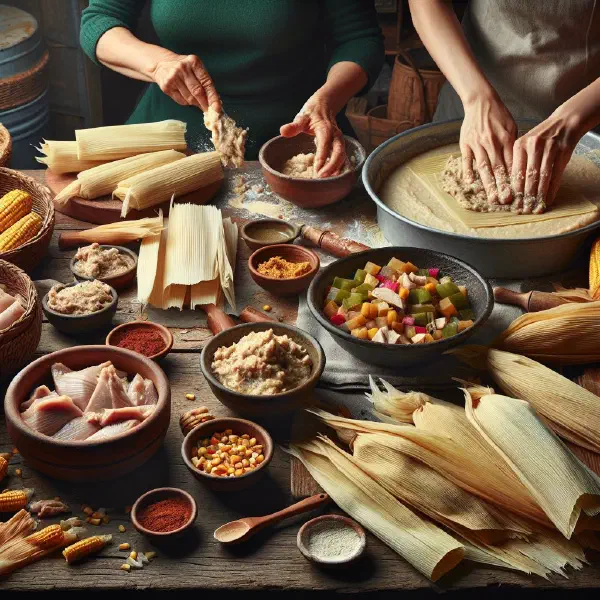
Before you start making the Tamal de Cambray, make sure all your ingredients are properly prepared. The banana leaves should be washed thoroughly and briefly warmed over steam or in a dry pan to make them more pliable. These leaves serve as the wrapping and lend the tamal a delicate aroma. It is also worth cooking the chicken in advance and cutting it into small pieces, or preparing a suitable plant-based protein for the vegan version.
Step-by-step instructions
- In a large bowl, mix the corn flour, baking powder, salt and pepper together well.
- Slowly add the vegetable stock or chicken stock and knead everything into a smooth dough.
- In a small pan, combine the prepared chicken, almonds and dried fruit.
- Lay a banana leaf on a clean surface and spoon about 2 tablespoons of the dough onto it.
- Place a portion of the filling on the dough, then carefully fold up the leaf so the tamal is well parcelled.
- Repeat the process until all the ingredients are used up.
- Steam the tamales in a large steamer for around 1–1.5 hours.
- Once steamed, carefully unwrap the tamales and serve warm.
Gluten-free / lactose-free version
The wonderful thing about Tamal de Cambray is that it is naturally gluten-free, since it is made mainly from corn flour. To make sure the dish is also suitable for those who are lactose intolerant, take care to choose stock and fillings that contain no dairy products. Instead of chicken you can use tofu or another plant-based protein source to adapt the dish to every dietary need. These adjustments make it accessible to people with special diets and preserve its delicious flavour.
Tips for vegans and vegetarians
For vegan or vegetarian versions of Tamal de Cambray, use tofu, seitan or lentils in place of the chicken. These alternatives provide a good texture as well as essential protein. Using plant-based milk or stock also helps make the dish vegan-friendly. Experiment with different spices and herbs to give any vegetable fillings extra depth of flavour.
More tips and tricks
To refine your Tamal de Cambray, you can add various spices and herbs to intensify the taste. A pinch of paprika or cumin can work wonders. The choice of dried fruit can vary too. Try apricots or apples instead of raisins. Preparing large batches is also a great way to keep a supply on hand for gatherings or festive occasions, much as you might with other Guatemalan tamales.
Adapting the recipe to your taste
Tamal de Cambray is extremely adaptable, which means you can shape it to your own preferences. If you enjoy spicy food, for instance, add a little chilli or pepper. For a sweeter version you can use more dried fruit, or even stir a little honey or agave syrup into the dough. Varying the fillings makes it easy to offer something for every taste and to impress your guests.
Ingredient substitutions
If some of the ingredients for Tamal de Cambray are not to your liking, there are plenty of alternatives. Instead of almonds you could use walnuts or even pecans. Beef or vegetables of your choice also work very well for the filling. As a protein alternative, alongside tofu or seitan you might consider pulses such as chickpeas to make the tamal more nourishing, the same black beans that anchor so many Guatemalan meals are a fine option too.
Drink pairing ideas
Enjoying a Tamal de Cambray is made perfect by the right choice of drink. Traditionally this tamal is served with a fruity lemonade or a refreshing drink made from hibiscus flowers. These beverages provide a cooling balance to the hearty dish. Alternatively, Mexican beers or cocktails such as margaritas can make a great accompaniment, underlining the festive character of the meal.
Serving and presentation ideas
An attractive presentation can heighten the enjoyment of your Tamal de Cambray. Wrap the tamales in the banana leaves and arrange them on a plate to keep that traditional feel. For a special touch you can use fresh herbs or edible flowers as decoration. Serve the dish with a side of spicy sauce or guacamole for an extra kick of flavour.
A bit of history
Tamal de Cambray has its roots in the indigenous cuisine of Guatemala and has been prepared for centuries. Tamales were traditionally eaten as a portable meal for travellers and at festivities. This artful method of preparation has been preserved through the decades and remains a symbol of Guatemalan identity to this day. The dish reflects the many cultural influences that have shaped the country and is a firm fixture of celebrations across Guatemalan cuisine.
More recipe ideas
Summary: Tamal de Cambray
Tamal de Cambray is more than just a dish; it is a part of Guatemalan culture and tradition. With its unique blend of hearty fillings and aromatic spices, it appeals to food lovers in search of authentic flavours. Whether for the holidays or simply for its own sake, this recipe is easy to adapt and offers endless room for variation. Let the flavours of Guatemala carry you away and savour this delicious feast.