National Dish Guatemala: Tamales de Cambray (Recipe)
In this article
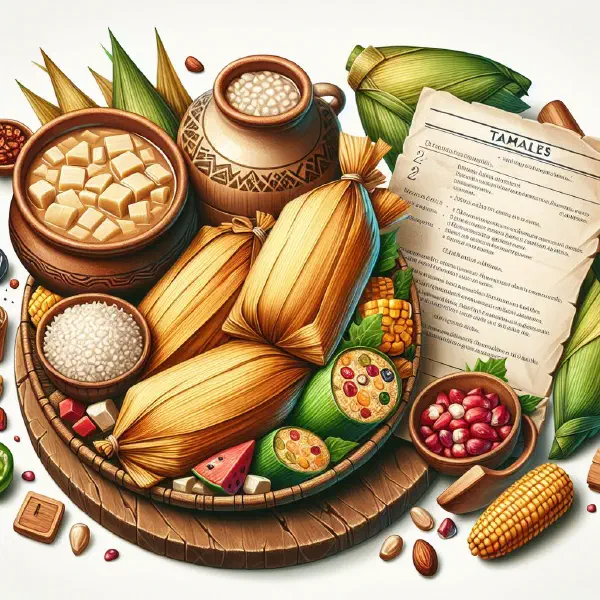
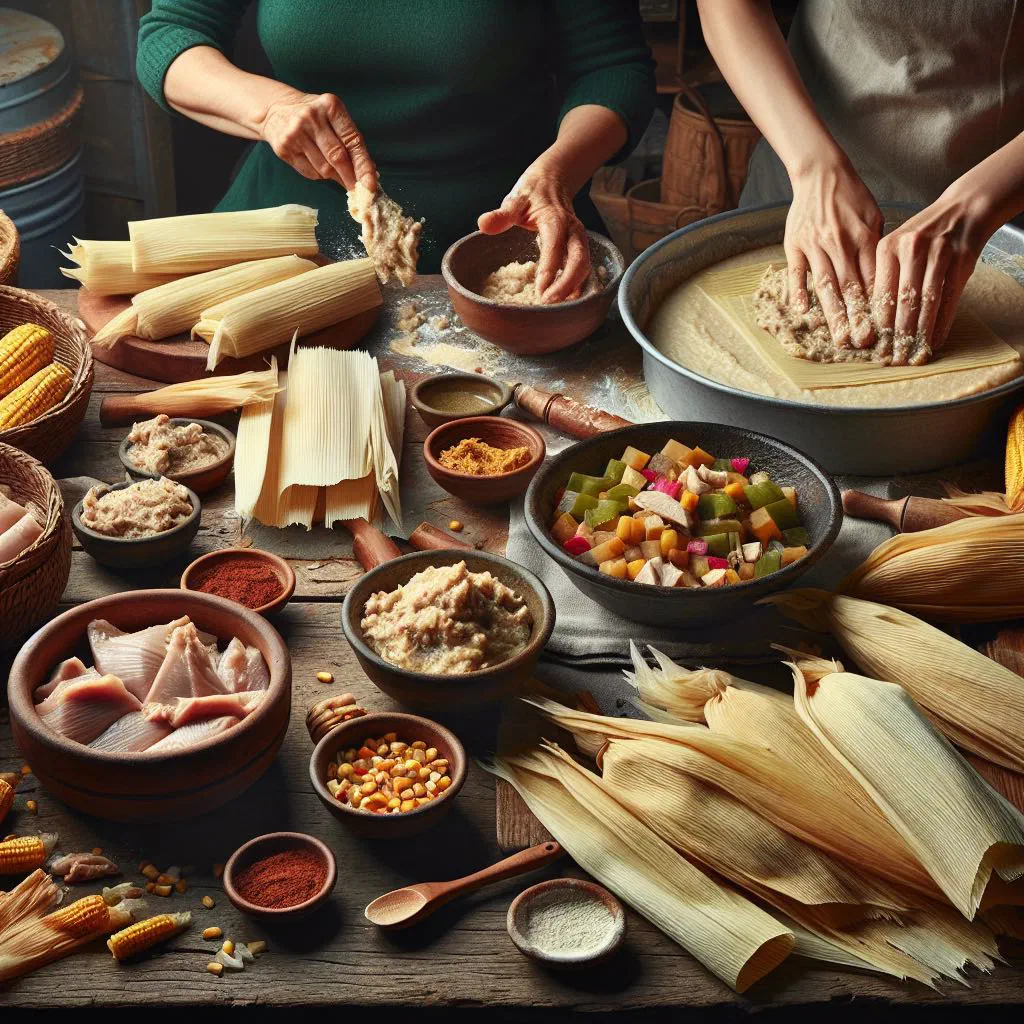
Meet Tamales de Cambray, one of Guatemala’s most festive and colourful dishes. Soft corn masa is folded around a savoury filling of meat, vegetables and warm spices, then wrapped in banana leaves and gently steamed until tender. The leaves perfume the parcels as they cook and make for a beautiful presentation at the table. In Guatemala these tamales are a celebration favourite, brought out for holidays and special gatherings across the country.
About Tamales de Cambray
Tamales de Cambray are a much-loved traditional dish from Guatemala, known for their colourful ingredients and rich, layered flavour. These delicious tamales bring together corn masa and a hearty filling of meat, vegetables and a mix of aromatic spices. The dough is wrapped in banana leaves, which add fragrance and give the finished parcels an attractive look. In Guatemala, tamales de cambray are a popular festive dish, served especially at holidays and on special occasions.
Ingredients (serves 1–2)
- 250g corn flour (masa harina)
- 200ml chicken stock
- 150g pork (cooked and shredded)
- 100g mixed vegetables (carrots, peas, etc.)
- 1 onion, chopped
- 1 garlic clove, chopped
- Spices to taste (salt, pepper, cumin)
- Banana leaves, for wrapping
Shopping for the ingredients
To make the perfect tamales de cambray, it is worth tracking down the right ingredients. Most of them are easy to find in a well-stocked supermarket or at a local market. Banana leaves can often be found in Asian or Latin American grocery shops. Make sure everything is as fresh as possible to guarantee the best flavour. This kind of cooking sits at the heart of Guatemalan cuisine, where fresh, colourful produce takes centre stage.
Preparing the dish
Before you start putting together your tamales de cambray, the banana leaves need a little preparation. Wash them and warm them briefly so they become soft and pliable. This makes wrapping the tamales far easier and stops them tearing during steaming. The pork and vegetables should also be cooked in advance and either shredded or diced ready for the filling.
Step-by-step instructions
- Tip the corn flour into a bowl and gradually add the chicken stock until you have a smooth, workable dough.
- Stir in the chopped onion and garlic and season the dough with your spices.
- Place a spoonful of dough onto a piece of banana leaf and top it with the filling of pork and vegetables.
- Fold the banana leaf around the filling and tie the ends securely with kitchen string.
- Stand the tamales in a steamer and steam for 60–90 minutes, until the dough is firm and cooked through.
Gluten-free / lactose-free version
Tamales de cambray are naturally gluten-free, provided you use gluten-free corn flour. Take care to choose ingredients, such as the chicken stock, that contain no gluten. A lactose-free version is straightforward too, as these tamales use no dairy at all.
Tips for vegans and vegetarians
For a vegan or vegetarian take on tamales de cambray, the meat can be swapped for vegetables such as courgette, peppers or even black beans. Season the vegetables generously to keep the flavour bold and satisfying. You can also replace the chicken stock with a good vegetable stock. That way everyone, whatever their diet, can tuck into this delicious dish.
More tips and tricks
A few pointers make preparing tamales de cambray easier. If you are not using your banana leaves straight away, keep them wrapped in a damp cloth so they stay fresh and supple. It is also worth making tamales in larger batches and freezing them, as they keep very well. When you cook them, feel free to vary the fillings or add a sauce to create new flavour combinations.
Adapting the recipe to your taste
The recipe for tamales de cambray is wonderfully flexible and lets you vary the filling to suit yourself. Use your favourite meats, such as chicken or beef, or experiment with more unusual options like fish. You can also add spices such as chilli or coriander to taste, giving the tamales more heat. Little changes like these make the dish uniquely your own.
Ingredient substitutions
If you have particular requirements, several ingredients in tamales de cambray are easy to swap. Instead of pork you might use tofu or a mix of pulses. For the chicken stock, vegetable stock or a homemade broth works just as well and varies the flavour. With the seasoning you can improvise too, reaching for paprika in place of cumin, for example. These options make the recipe more adaptable to different tastes and dietary needs. If you enjoy hearty maize parcels, the Chuchitos follow a similar idea.
Drink pairing ideas
To enjoy tamales de cambray at their best, the right drink makes all the difference. A traditional corn-based drink such as atol pairs beautifully, as does a fresh lime juice or a fruity mocktail. If you prefer something alcoholic, a light Latin American beer or a fruity cocktail brings out the flavours of the tamales. A cooling fruit drink is another lovely match.
Serving and presentation ideas
Presentation matters when it comes to tamales de cambray. Serve them still wrapped in their green banana leaves and trim the ends for a neat, tidy look. Arrange the tamales on a large platter and finish with fresh herbs such as coriander and slices of lime. An inviting arrangement makes the meal tasty and a treat for the eyes. They sit happily alongside a bowl of Guacamole con Tortillas.
A bit of history
The story of tamales de cambray stretches back many centuries and is deeply rooted in Guatemalan culture. They were originally prepared by the Maya and served as portable meals for travellers, making it easier to eat well on long journeys. Over time the recipes and methods have evolved, varying by region and available ingredients, which has given them a rich and diverse cultural significance.
More recipe ideas
Summary: Tamales de Cambray
Tamales de cambray are a delicious, tradition-rich delicacy from Guatemala that embodies the variety of the country’s cooking. They are both simple to make and easy to adapt, so they suit a wide range of dietary needs. With good ingredients and a little creativity, you can turn this dish into the highlight of any celebration, a journey through the flavours of Guatemala that is sure to please you and your guests.