National Dish Guinea: Acarajé (Recipe)
In this article
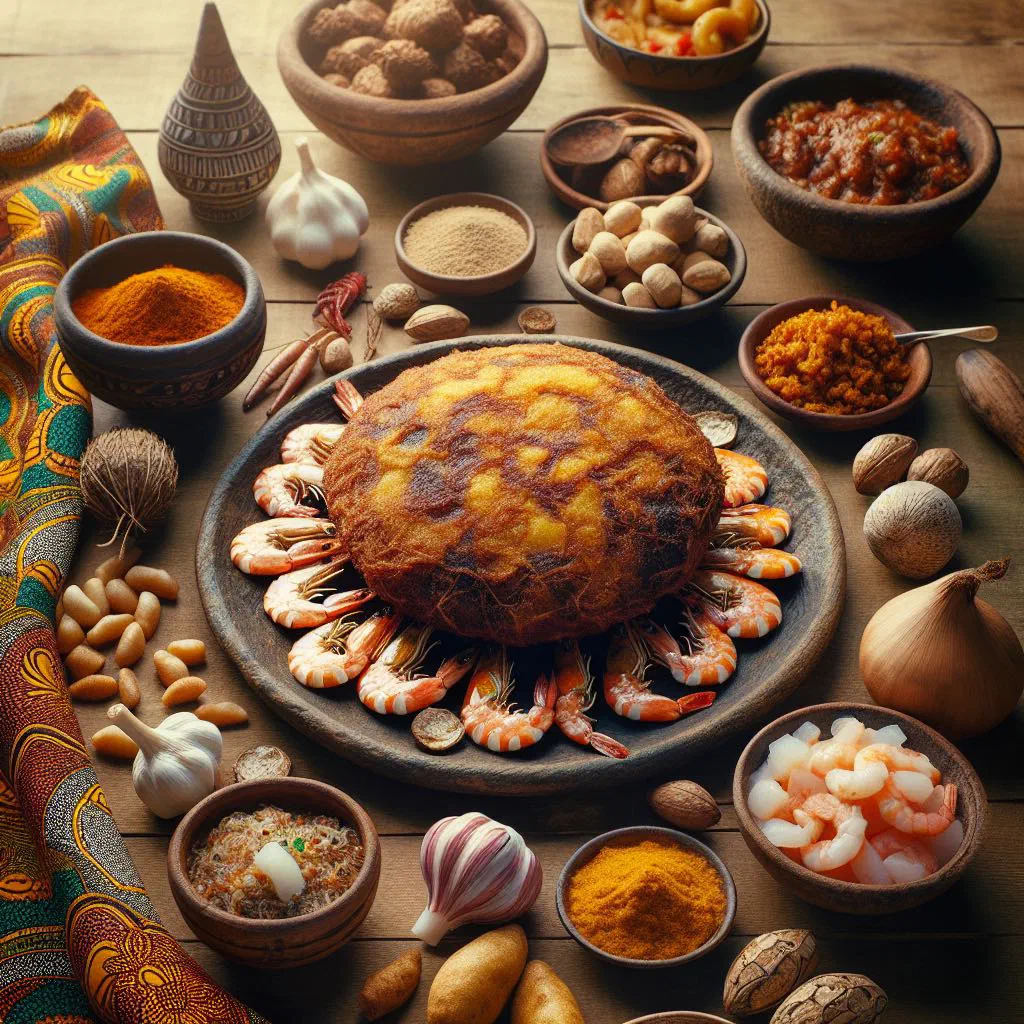
Discover Acarajé, a beloved street-food treat that captures the spirit of Guinean cooking. These crisp, deep-fried bean fritters are stuffed with a fragrant mix of shrimp, onions and warming spices, giving you a satisfying crunch on the outside and a soft, savoury heart within. Sold by street vendors and served at celebrations alike, acarajé tells a story of shared West African heritage in every bite. Bring a taste of that lively food culture straight to your own kitchen.
About Acarajé
Acarajé is more than just a dish; it is a cultural symbol of Guinea. These delicious snacks are made from deep-fried bean fritters filled with a spiced mixture of shrimp, onions and an array of seasonings. Preparing acarajé calls for both skilful hands and a good feel for the right balance of spices. Thanks to its rich aromas and crisp texture, acarajé has become one of the most popular dishes in Guinean cooking, equally at home as a quick street snack or a special-occasion treat.
Ingredients (serves 1–2)
- 200 g black beans
- 100 g shrimp, peeled and deveined
- 1 small onion
- 2 cloves of garlic
- ½ teaspoon paprika
- Salt to taste
- Oil for deep-frying
Shopping for the ingredients
The ingredients for acarajé are easy to find in local supermarkets as well as in Asian or African grocery shops. When shopping, look for beans that are fresh and of good quality to get the best possible flavour. The shrimp, too, should be as fresh as possible or well chilled so the dish doesn’t lose any of its taste. It’s also worth reaching for organic spices to bring out the aromas at their very best.
Preparing the dish
Making acarajé takes a little groundwork to get right. The black beans should be soaked overnight to soften them. The next day they are rinsed well and then blended until the mixture forms a smooth batter. The filling of shrimp and onions needs to be prepared as well, so it can later be tucked into the fried fritters.
Step-by-step instructions
- Rinse the soaked black beans and blend them into a smooth batter.
- Finely chop the onion and garlic, then mix them with the shrimp.
- Season the blended beans with a little salt and paprika and combine well.
- Heat the oil in a deep pan.
- Take spoonfuls of the bean mixture, place a small amount of the shrimp filling in the centre and shape into balls.
- Lower the balls into the hot oil and fry until golden brown.
- Drain on kitchen paper and serve warm.
Gluten-free / lactose-free version
Acarajé is naturally gluten-free, as it contains no wheat products. That makes this dish ideal for anyone with a gluten intolerance. For a lactose-free preparation, simply take care to use only plant-based ingredients. This flexibility makes acarajé a versatile option that suits a whole range of diets.
Tips for vegans and vegetarians
Acarajé is easy to adapt for vegans by leaving out the shrimp entirely or replacing them with vegetables such as courgette or peppers. These vegetable versions can be seasoned in the same way to achieve the flavour you’re after. An alternative filling of fried aubergine or chickpeas makes another lovely option, much like the hearty legumes in Sauce Tomate Aux Haricots. That way the savoury character of the dish stays intact.
More tips and tricks
Getting the oil to the right temperature is crucial for frying acarajé to perfection. If the oil is too hot, the outside may burn while the inside stays raw. It’s best to start with a small test piece of batter to make sure the oil has reached the ideal heat. Beyond that, the beans can be swapped for other pulses to create fresh new flavour experiences.
Adapting the recipe to your taste
The flavours and spices in acarajé can be tuned to your own personal taste. Experiment with different spices such as cumin or coriander for an interesting new note. Even the fillings can be varied, choosing other seafood or plant-based protein sources instead. This way anyone, whatever their preferences, can create their very own version of acarajé.
Ingredient substitutions
When making acarajé, there’s plenty of room to play with different ingredients and craft your own take on the dish. White beans or chickpeas can be used in place of black beans. Instead of shrimp, you might choose tofu or tempeh as your protein, the same kind of swap that works well in a nutty Sauce Darachide. Substitutions like these keep the dish exciting and full of variety.
Drink pairing ideas
The flavours of acarajé pair beautifully with a variety of drinks. A fresh fruit juice or a fruity cocktail can wonderfully complement the intensity of the aromas. A glass of sparkling water or a traditional hibiscus tea, much like Guinea’s own Bissap, also makes a refreshing accompaniment. The choice of drink can lift the whole tasting experience even further.
Serving and presentation ideas
Presentation can significantly enhance the enjoyment of acarajé. Serve the fried fritters on a large platter garnished with fresh herbs such as coriander or parsley for decoration. A small side salad of cucumber and tomato makes a refreshing addition, and it pairs nicely with a bright dish like Salade De Papaye Verte. You could even whip up a dip of spicy sauce to freshen up the whole spread.
A bit of history
Acarajé has deeply rooted traditions in Guinean and West African cooking, and is often sold by street vendors. The dish originally comes from Afro-Brazilian culture and tells a story of colonial influences and cultural blending. Over the years it has also gained popularity in other countries, such as Brazil, where it has become a treasured delicacy. In many cases it is even regarded as celebration food, served at special occasions, a proud example of Guinean cuisine.
More recipe ideas
Summary: Acarajé
Acarajé is a distinctive dish and a firm fixture of Guinean cooking, winning people over with its combination of crisp batter and spiced filling. It reflects the country’s cultural richness and shows how food can bring traditions and communities together. Acarajé is an explosion of flavour that everyone should try at least once. This recipe is simple to make, and leaves plenty of room for individual tweaks to suit every palate.