National Dish Guinea: Fruit Sorbet (Recipe)

In this article
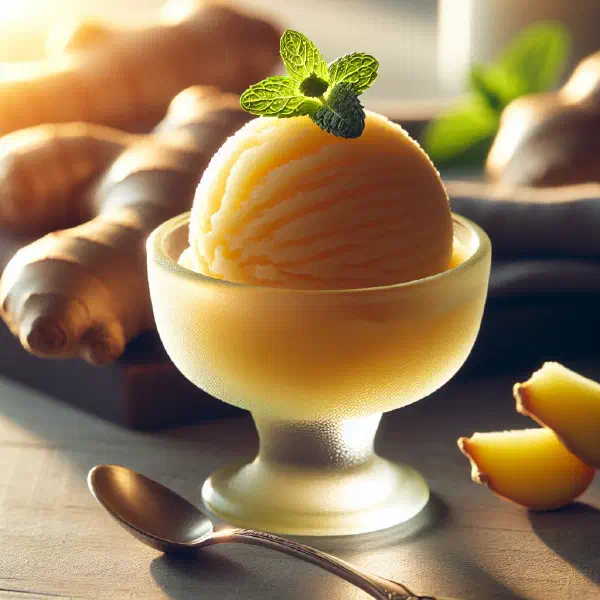
Cool down West-African style with Fruit Sorbet, a wonderfully refreshing dessert that captures the ripe, sun-drenched flavours of Guinea’s tropical fruits in one creamy, frozen spoonful. Blending sweet banana and mango with rich coconut milk and a squeeze of lime, it is the perfect treat for a warm afternoon. Simple to make and endlessly adaptable, this is a little taste of Africa you can whip up in your own kitchen.
About Fruit Sorbet
Fruit Sorbet is a delicious, refreshing dessert that brings together the tropical fruits of Guinea in a smooth, frozen pleasure. This speciality is perfect for warm days and offers a wonderful way to sample the rich culinary culture of Guinea. Its straightforward preparation and many possible variations make it an ideal dessert for any occasion. Give it a try and bring a piece of Guinea to your table, much like the fruity charm of a Banana Fritters.
Ingredients (serves 1–2)
- 2 ripe bananas
- 1 mango
- 200 ml coconut milk
- 2 tablespoons honey or agave syrup
- 1 lime (juice)
Shopping for the ingredients
The ingredients for Fruit Sorbet are usually easy to find in any well-stocked supermarket. When buying the fruit, look for pieces that are properly ripe so you capture the fullest, sweetest aroma. Fresh coconut milk can make a real difference to the flavour of the sorbet, so try to buy it as fresh as possible. It is also worth reaching for organic produce where you can, to enjoy the purest and most flavourful results.
Preparing the dish
To get your Fruit Sorbet off to a perfect start, begin by washing and peeling the fruit. Cut the bananas into slices and dice the mango into small pieces. Once everything is prepped, gather all your ingredients together before moving on to the blending stage. This little bit of groundwork is key to keeping the whole process smooth and free of any delays.
Step-by-step instructions
- Add the banana slices and mango pieces to a blender.
- Pour in the coconut milk, the honey or agave syrup and the lime juice.
- Blend everything thoroughly until you reach a smooth, creamy consistency.
- Transfer the mixture to a suitable bowl or an ice-cream maker.
- Freeze for at least 4 hours, stirring every 30 minutes.
Gluten-free / lactose-free version
Fruit Sorbet is naturally free from gluten and lactose, which makes it an ideal dessert choice for anyone with these allergies. Every ingredient used is plant-based and contains no gluten whatsoever. That means people with an intolerance can enjoy this delicious dessert with complete peace of mind. As always, check the labelling on your ingredients for any allergen warnings when shopping.
Tips for vegans and vegetarians
For vegans, Fruit Sorbet is an excellent choice as it contains no animal products at all. Simply swap the honey for agave syrup to keep the dessert entirely plant-based. There are no hidden animal ingredients in this recipe, so you can indulge without a second thought. You could also experiment with other fruits such as passion fruit or pineapple to discover exciting new flavours.
More tips and tricks
To intensify the flavours of your Fruit Sorbet even further, try adding fresh mint or a dash of vanilla extract. You can also serve it as a quick soft-serve by enjoying it straight after blending, rather than freezing it fully. Fresh berries or toasted coconut flakes make lovely finishing touches that give the dessert an appealing look. Vary the fruit according to the season and your own preferences for even more delicious variety.
Adapting the recipe to your taste
Fruit Sorbet is wonderfully adaptable and easily shaped to suit personal preference. Instead of the traditional ingredients, you might use berries or stone fruits to match your own taste. The sweetness can also be adjusted to the fruit or your personal liking simply by adding more or less honey. This way you can create an individual dessert that pleases everyone at the table.
Ingredient substitutions
There are plenty of alternatives for Fruit Sorbet to cater for different tastes. In place of coconut milk, for example, you could use almond or soya milk, which lends the sorbet a different but equally delicious flavour. The fruits can be swapped according to preference too, so even mixtures of different varieties are possible, giving the dessert a unique twist. This flexibility makes the recipe a firm favourite for many occasions, as versatile as a bowl of Degue.
Drink pairing ideas
Fruit Sorbet pairs beautifully with a range of summery drinks. A lightly chilled white wine or a refreshing hibiscus tea make wonderful companions that underline the dessert’s fruity notes. A zesty sangria with citrus fruits could also be an appealing addition, while alcohol-free options such as water with mint and lemon work just as well. Experiment with different drinks to find the perfect pairing for your guests.
Serving and presentation ideas
To present your Fruit Sorbet attractively, serve it in decorative bowls or glasses. Use fresh berries, mint leaves or edible flowers as a garnish to give the dessert a lovely finishing touch. A scattering of grated coconut flesh on top can add extra texture and appeal too. Remember that a beautiful presentation can genuinely elevate the whole eating experience.
A bit of history
Fruit Sorbet has its roots in Guinea’s rich culinary history, where tropical fruits grow in abundance. Many African cultures have a long tradition of preparing refreshing dishes, especially during the warmer months. Originally, ices were made from meltwater and fruit, something the people of the region prized even then. Over the years the recipe has evolved and is now a much-loved dessert that appeals to locals and visitors alike, a sweet highlight of Guinean cuisine.
More recipe ideas
Summary: Fruit Sorbet
In summary, Fruit Sorbet is a refreshing and delicious way to enjoy the tropical flavours of Guinea. With its simple preparation and flexible ingredients, it is perfectly suited to the warm season. It is an ideal treat for vegans and anyone following a special diet alike. Give this recipe a try and bring a piece of African culture into your own home.