National Dish Guinea: Sauce Pistache (Recipe)
In this article
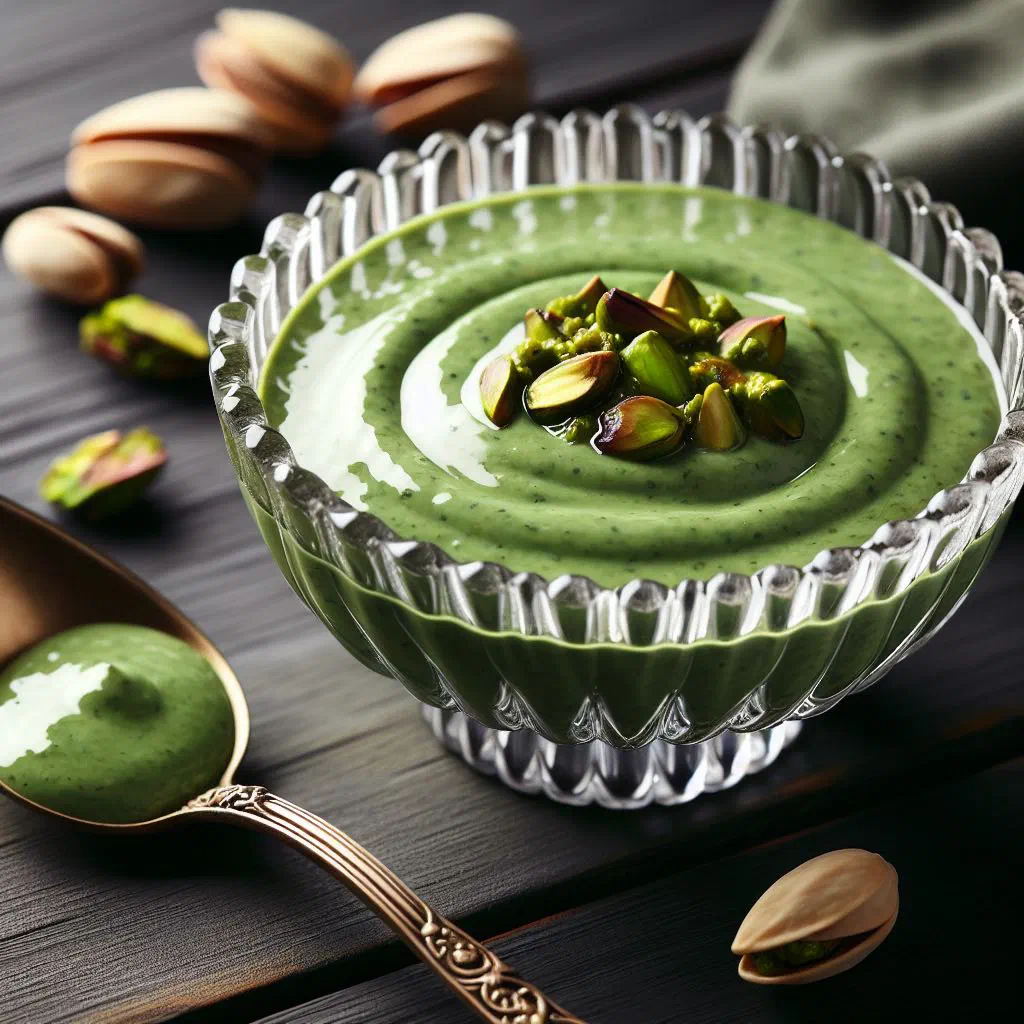
Discover Sauce Pistache, a soulful peanut sauce at the heart of Guinean cooking. Silky, warmly spiced and gently nutty, it turns simple meat, fish or vegetables into something memorable. Rooted in the flavours of West Africa, this dish brings together roasted peanuts, ripe tomatoes and a hit of chilli for a sauce that is as comforting as it is versatile. Bring a taste of Guinea straight to your own table.
About Sauce Pistache
Sauce Pistache is a traditional dish from Guinea, celebrated for its savoury yet gently nutty flavour. This delicious peanut sauce is a much-loved recipe across West Africa and offers a wonderful introduction to the variety of Guinean cooking. The combination of fresh ingredients, warm spices and ground peanuts makes every spoonful a real treat. Whether spooned over meat, fish or a medley of vegetables, Sauce Pistache lends any plate that special something.
Ingredients (serves 1–2)
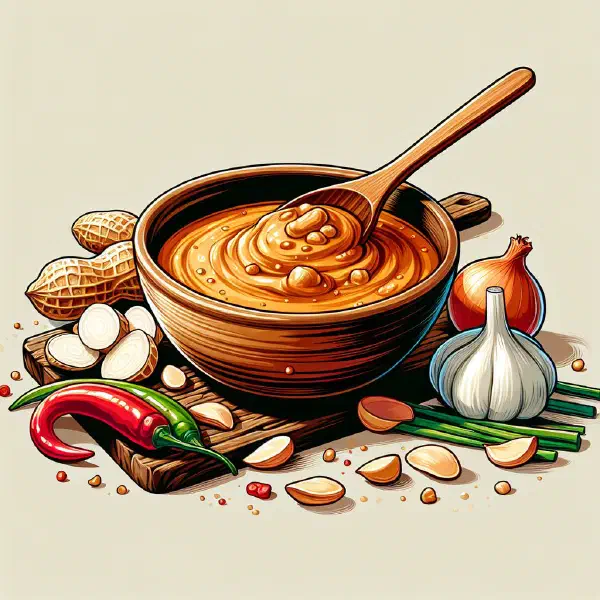
- 200 g peanuts (unsalted, roasted)
- 1 onion
- 2 cloves of garlic
- 1–2 chillies (to taste)
- 400 ml vegetable or chicken stock
- 2 tomatoes
- 1 tablespoon vegetable oil
- Salt and pepper, to taste
Shopping for the ingredients
To gather the ingredients for Sauce Pistache, it is worth visiting a well-stocked supermarket or an Asian or African grocery. There you will find fresh peanuts that are unsalted and already roasted, along with good-quality stock and the spices you need. When choosing vegetables such as onions and tomatoes, look for freshness and quality to bring out the best possible flavour. Much like the pantry staples behind Mafe, these everyday items come together to create something special.
Preparing the dish
Before you start cooking Sauce Pistache, prepare all the ingredients thoroughly. This means finely chopping the onion and the garlic so their aromas are released to the full. The chillies can be deseeded or left whole depending on how much heat you like. The tomatoes should be washed and cut into small pieces so they blend smoothly into the sauce.
Step-by-step instructions
- Heat the oil in a pan and sauté the chopped onion until it turns translucent.
- Add the garlic and chillies and fry briefly so the aromas develop.
- Add the diced tomatoes and let them simmer over medium heat until soft.
- Blitz the peanuts in a blender or food processor until you have a creamy paste.
- Stir the peanut paste into the tomato mixture and pour in the stock.
- Mix well and let everything simmer over low heat until the sauce reaches the consistency you want.
- Season with salt and pepper and serve warm.
Gluten-free / lactose-free version
Sauce Pistache is naturally gluten-free, as it contains no wheat products. It is also free from lactose, making it a wonderful choice for anyone with a lactose intolerance. Using vegetable stock in place of chicken stock opens the dish up to further dietary needs. Do take care, though, to choose a gluten-free stock if you need to avoid gluten entirely.
Tips for vegans and vegetarians
For vegans and vegetarians, Sauce Pistache is ideal, as it is rich in nutrients and protein. Simply swap the chicken stock for a plant-based stock to make the sauce completely vegan. It is also wonderfully versatile and can be bulked out with vegetables such as broccoli, courgette or carrots. That makes the dish easy to adapt to individual tastes, in the same generous spirit as a warming Curry de Poulet aux Arachides.
More tips and tricks
To get the most out of your Sauce Pistache, there are a few extra tips worth keeping in mind. For instance, you can lightly toast the peanuts for added crunch just before serving. The ratio of stock to peanut paste can also be adjusted to personal taste to reach your ideal consistency. And don’t forget to experiment with different spices, a hint of cumin or coriander can give the sauce a whole new dimension.
Adapting the recipe to your taste
The recipe for Sauce Pistache is flexible and easy to tailor to your own preferences. Add extra vegetables or pulses to make the sauce more nutritious. Adjust the amount of chilli if you prefer a milder or a fierier flavour. You can also reach for different types of peanut to vary the taste and discover new nuances.
Ingredient substitutions
If you have trouble finding some of the ingredients for Sauce Pistache, there are plenty of alternatives. You could use cashews or almonds in place of peanuts for a different flavour direction. For the tomatoes, use fresh or tinned tomatoes depending on what is available. Choosing wholegrain accompaniments is another way to add extra nutrients to the meal.
Drink pairing ideas
To round off your enjoyment of Sauce Pistache, give some thought to the drinks you serve alongside. Sparkling water or an unsweetened herbal tea make excellent companions, as they don’t overpower the flavours of the food. Alternatively, a lightly chilled rosé or a soft white wine is a good choice that complements the sauce’s savoury notes. If you would rather stay alcohol-free, a fruity mocktail is well worth considering.
Serving and presentation ideas
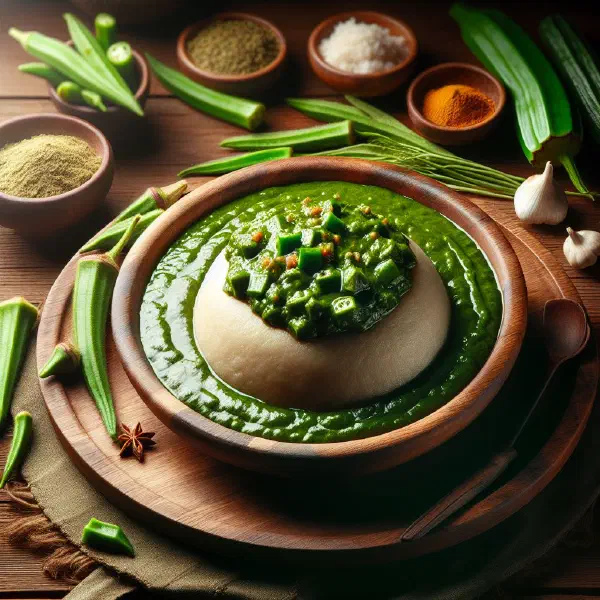
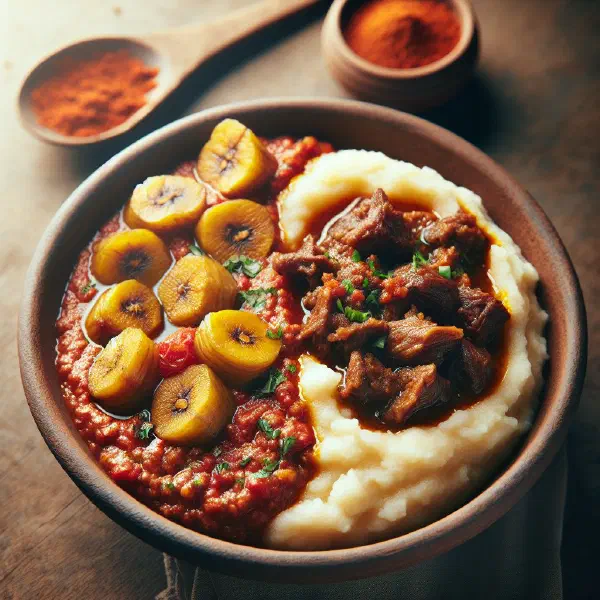
Presentation can be key to making Sauce Pistache look as good as it tastes. Serve the sauce in a small bowl beside the main dish, so guests can help themselves as they like. Finish it off with freshly chopped coriander or a slice of lime for decoration. A colourful vegetable ratatouille on the plate makes a lovely stylistic partner to Sauce Pistache, much as it would to a plate of Fufu.
A bit of history
Sauce Pistache has its origins in Guinean cooking and reflects the many culinary influences of West Africa. The use of peanuts is widespread across many African kitchens, prized as much for their nourishment as for their flavour. The tradition of making nut-based sauces goes back centuries and has evolved over generations. This dish is therefore a pleasure to eat and a piece of culture and history brought to the table, a hallmark of Guinean cuisine enjoyed alongside classics such as Sauce d’Arachide.
More recipe ideas
Summary: Sauce Pistache
Sauce Pistache is an impressive example of Guinean cooking, rich in flavour and steeped in tradition. It is wonderfully versatile and pairs beautifully with all manner of dishes. Whether spooned over meat, fish or vegetables, it brings an authentic touch of African culture to your table. Give this recipe a try and let the variety of Guinean cuisine inspire you.