National Dish Guinea: Tieboudienne (Recipe)
In this article
Meet Tieboudienne, the celebrated national dish of Guinea and a shining example of hearty West African cooking. This one-pot classic brings together fresh fish, fragrant rice and a colourful medley of vegetables, all simmered in a rich, spiced tomato base. Especially along Guinea’s coast it takes pride of place at feasts and family gatherings, and its bold, comforting flavours make it easy to see why. Bring a taste of the West African seaside straight to your own kitchen.
About Tieboudienne
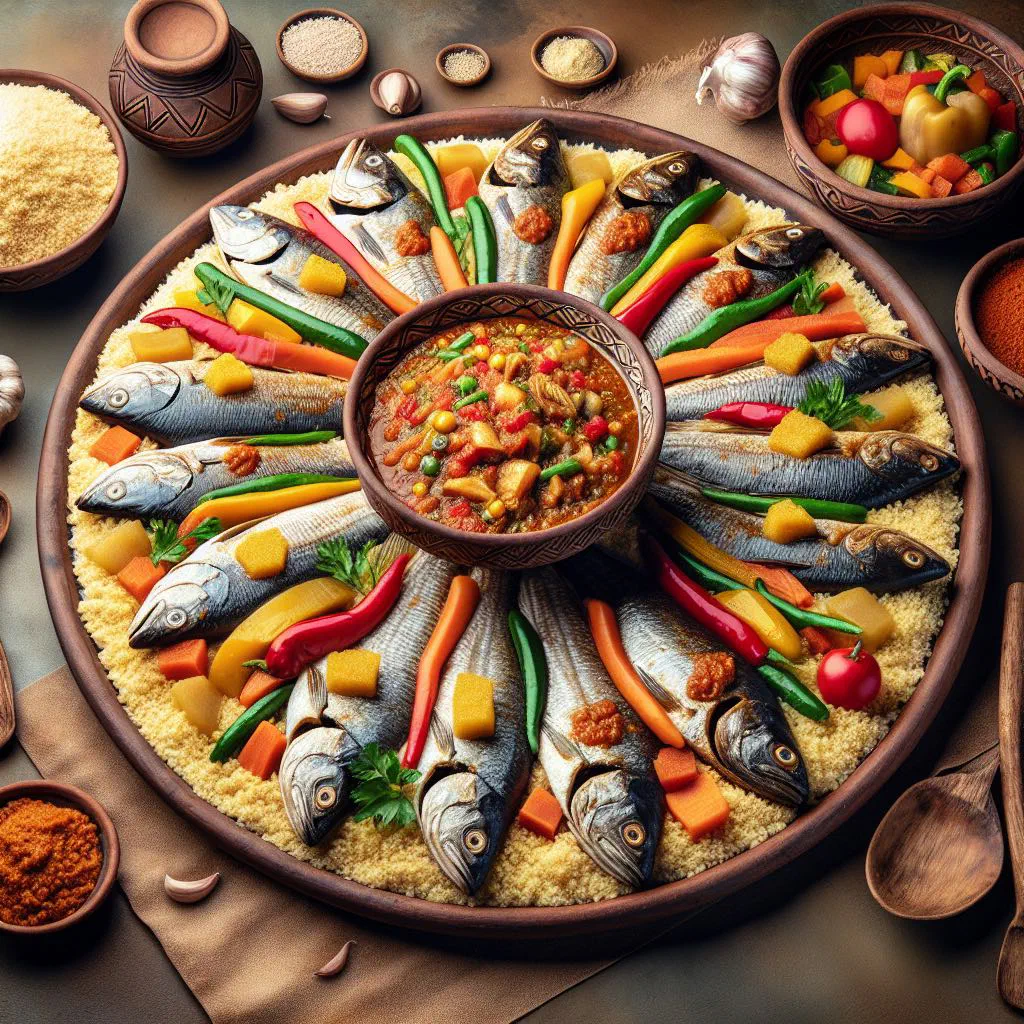
Tieboudienne is the national dish of Guinea and a superb showcase for the rich variety of West African cuisine. At its heart lies a delicious combination of fresh fish, aromatic rice and an assortment of vegetables. The dish is typically built up with a range of spices and herbs that capture the distinctive flavours and aromas of the region. Along Guinea’s coastal areas in particular, Tieboudienne is a firm part of the food culture, served at festivals and family celebrations alike.
Ingredients (serves 1–2)
- 200g fish fillet (e.g. sea bream or tilapia)
- 150g rice
- 1 onion
- 2 tomatoes
- 1 carrot
- 1 small pepper
- Garlic (to taste)
- Olive oil or groundnut oil
- Spices (e.g. pepper, chilli, salt)
- Fresh herbs (e.g. parsley or coriander)
Shopping for the ingredients
The fish is crucial here, as it shapes the flavour of the whole dish. Tomatoes and vegetables should be ripe and crisp to bring out the fullest aromas. It is well worth buying your ingredients from an African or Asian grocery where possible, as these shops often stock the best produce for this kind of cooking.
Preparing the dish
Before you start cooking Tieboudienne it is important to prepare all the ingredients well. Begin by rinsing the rice thoroughly to wash away excess starch. The vegetables should be washed and cut into small pieces so they cook evenly. The fish, too, should be cleaned and cut into portions to ensure it cooks through consistently.
Step-by-step instructions
- Heat the oil in a large pot and fry the onions until golden brown.
- Add the diced tomatoes and the garlic and let them simmer for a few minutes.
- Add the vegetables and sauté briefly to release their aromas.
- Stir in the rice and let it fry for a moment.
- Pour in the required amount of water, stir well and bring to the boil.
- Lay the fish on top of the vegetables and rice, season with spices and cook over low heat until the fish is done.
Gluten-free / lactose-free version
Tieboudienne is naturally a gluten-free and lactose-free dish, as it contains no gluten-based ingredients such as wheat and no dairy. Anyone with a gluten intolerance or lactose intolerance can enjoy this recipe without concern. It is still worth checking that any spice blends you use are also gluten-free, as some mixes may contain traces. Look out for the relevant certifications when you shop.
Tips for vegans and vegetarians
For a vegan or vegetarian version of Tieboudienne, the fish can be swapped for plant-based proteins such as tofu or seitan. You can also enrich the dish with a wide range of vegetables such as courgette or aubergine. Instead of fish stock, simply use vegetable stock to achieve the best flavour. These variations let you enjoy the aromas of West African cooking without any animal products.
More tips and tricks
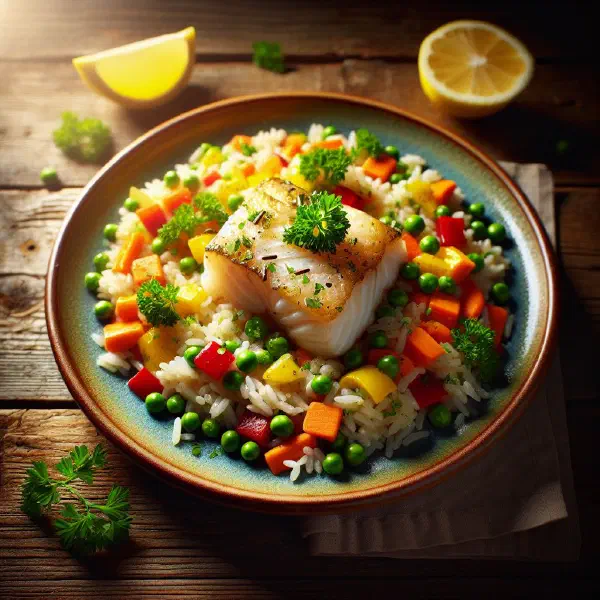
To make the perfect Tieboudienne, patience is key. Let the mixture of rice, vegetables and fish rest long enough for the flavours to fully work their way through the dish. Another tip is to scatter freshly chopped herbs over the top just before serving to add a fresh note. Experiment with the spices to adjust the intensity to your own taste, a touch more chilli goes a long way in the fiery style of a Poisson Braise.
Adapting the recipe to your taste
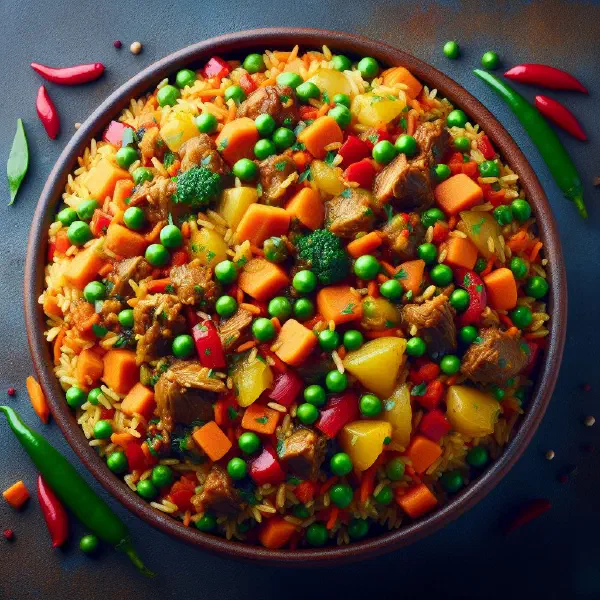
The Tieboudienne recipe is wonderfully flexible and easy to tailor to personal preference. You might vary the type of vegetables or fish you use, for example, to discover new flavour combinations. If you prefer a spicier version, add more chilli or other hot spices. Let your creativity run free and develop a Tieboudienne that is entirely your own, much as the cooks behind a good Riz au Poisson et Légumes do.
Ingredient substitutions
If certain ingredients are missing, there are plenty of alternatives you can turn to. Instead of sea bream you could use another fish or even prawns. Rice can be replaced with other grains such as quinoa or couscous for a slightly different texture. Tomatoes can be substituted with passata or tomato purée when fresh ones are not available.
Drink pairing ideas
A variety of drinks pair beautifully with Tieboudienne, including African beers or fresh fruit juices that support the flavours of the dish. A cool, light beer complements the savoury character of the meal, while a refreshing mango juice adds a sweet note. Sparkling water with lemon or lime is also an excellent choice for cleansing the palate.
Serving and presentation ideas
The presentation of Tieboudienne can lift the look of the dish even further. Serve it on a large banana leaf or in a colourful bowl to show off its inviting colours. Freshly chopped herbs or lemon slices as a garnish add visual appeal and an extra hit of freshness to the flavour. Arranging everything on a large platter so the different components are visible makes the meal all the more appealing.
A bit of history
Tieboudienne has its roots in Senegalese cuisine, which is strongly shaped by the culinary traditions of the wider West African region. The dish reflects the history of the coastal peoples who have caught and prepared fish for centuries. The combination of rice and fish is nourishing and a practical way to make the most of local ingredients. Tieboudienne is often enjoyed at social gatherings and festivals, standing as a symbol of the hospitality and richness of the culture, a spirit it shares with the wider world of Guinean cuisine.
More recipe ideas
Summary: Tieboudienne
Tieboudienne is an impressive example of the unique West African cuisine, perfectly combining fresh ingredients with aromatic spices. With its versatile preparation and the freedom to adapt the recipe to personal taste, it is a dish that appeals to locals and visitors alike. Its cultural roots and its importance within the community underline the history and tradition of the region. A treat for all the senses, and a wonderful way to experience the culinary diversity of Guinea.