National Dish Guyana: Vegetable Chow Mein (Recipe)
In this article
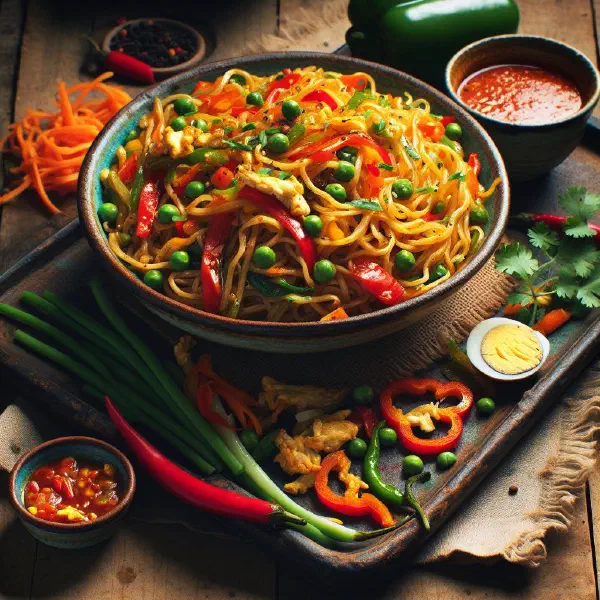
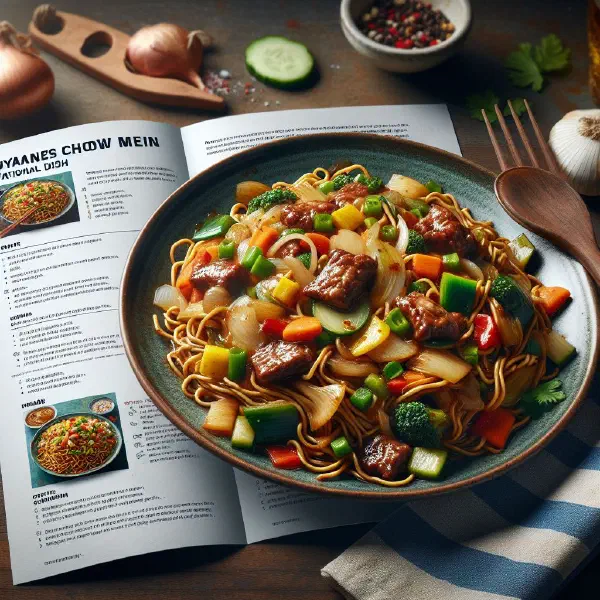
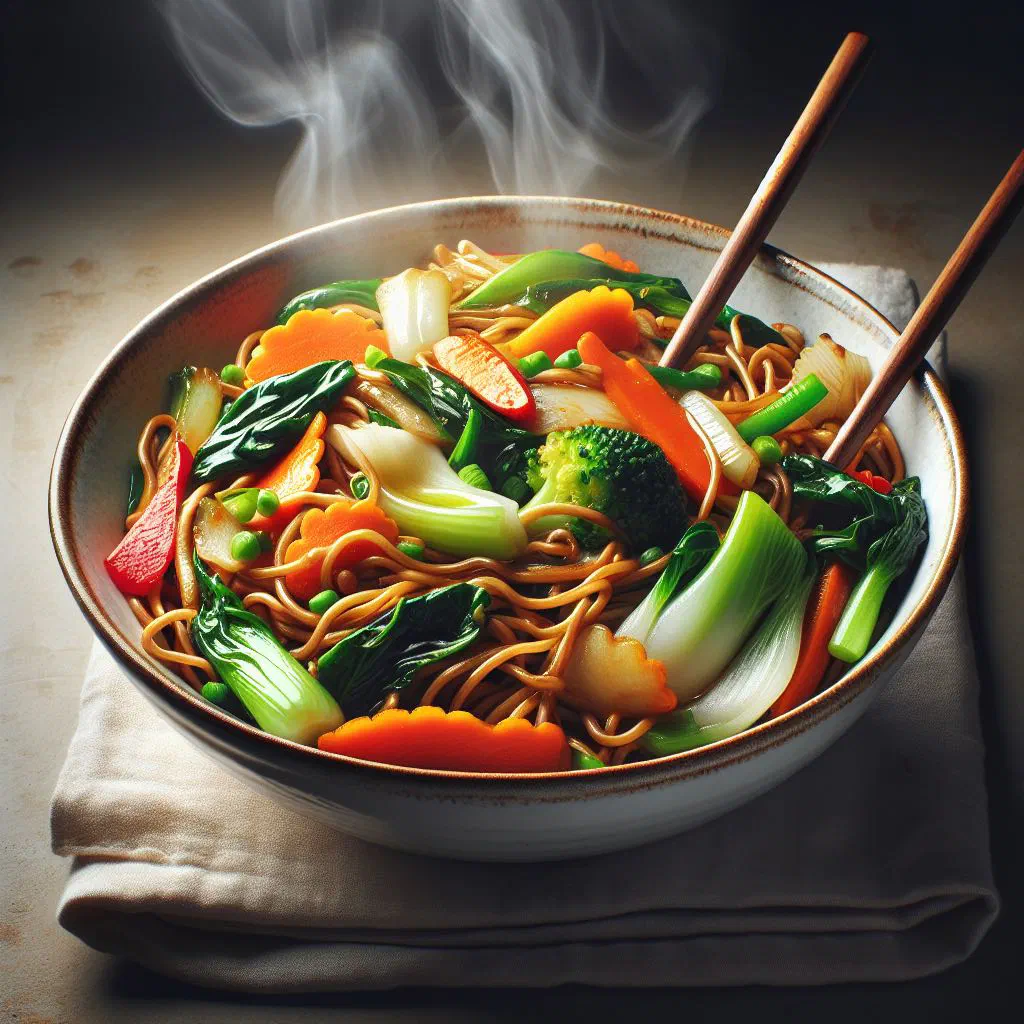
Say hello to Vegetable Chow Mein, a colourful noodle stir-fry that has become a firm favourite across Guyana. Tender noodles are tossed with crisp, fresh vegetables and a savoury, gently spiced sauce, making this a dish that vegetarians and lovers of Asian cooking will return to again and again. It is quick, wholesome and endlessly adaptable, a genuine taste of home that comes together in a single pan.
About Vegetable Chow Mein
Vegetable Chow Mein is a traditional dish from Guyana that shines through its variety of flavours and ingredients. With a perfect balance of fresh vegetables and tender noodles, it offers a delicious foundation for vegetarians and fans of Asian cooking alike. It represents the culinary diversity of Guyana and a genuine love of fresh, local produce. The dish suits any meal and brings a comforting piece of home to the table.
Ingredients (serves 1–2)
- 200g chow mein noodles
- 1 carrot, cut into fine strips
- 1 pepper, diced
- 100g broccoli, broken into small florets
- 100g mangetout
- 2 spring onions, chopped
- 3 tablespoons soy sauce
- 1 tablespoon sesame oil
- 1 teaspoon grated ginger
- 1 garlic clove, chopped
- Salt and pepper to taste
Shopping for the ingredients
The ingredients for Vegetable Chow Mein are easy to find in most supermarkets or Asian grocery shops. It is well worth choosing fresh vegetables so the flavours really come through. The crisp mangetout and broccoli in particular make for a bright and healthy combination. If you like, you can also use seasonal vegetables to tailor the dish to your own preferences.
Preparing the dish
Before you start cooking your Vegetable Chow Mein, get all of your ingredients ready. Cut the vegetables evenly so that they cook at the same rate. Prepare the noodles according to the packet instructions to achieve the perfect texture. Good preparation makes the cooking process far smoother and helps you build a harmonious final dish. The same steady approach pays off in a comforting bowl of Cook Up Rice too.
Step-by-step instructions
- Cook the chow mein noodles in a pan of salted water according to the packet instructions, then drain.
- Heat the sesame oil in a large pan and sauté the garlic and ginger.
- Add the prepared vegetables and stir-fry over a medium heat for about 5 minutes.
- Tip the cooked noodles into the pan and mix well.
- Add the soy sauce and stir everything through until the noodles and vegetables are evenly coated.
- Season with salt and pepper and cook for a further 2–3 minutes.
Gluten-free / lactose-free version
For a gluten-free version of Vegetable Chow Mein, use gluten-free noodles. Make sure the soy sauce is also gluten-free, or swap it for tamari. There is no lactose in this recipe, so it is perfectly suited to anyone who is lactose intolerant without any changes at all. Enjoy your meal without a single worry about intolerances.
Tips for vegans and vegetarians
Vegetable Chow Mein is already an excellent vegetarian dish, but vegans should check that the noodles they use contain no egg. Read the ingredient list carefully when buying noodles to be sure. Beyond that, you can add extra plant-based proteins such as tofu or tempeh to make the dish even more nourishing. That way the chow mein is tasty and full of goodness.
More tips and tricks
To deepen the flavour of Vegetable Chow Mein, vary the vegetables or add extra spices such as chilli or Chinese five spice. A squeeze of lemon juice can also introduce a fresh, lively note. Experiment with different sauces, such as fiery sriracha or peanut sauce, to keep things interesting. These small tweaks can lift the dish to a whole new level.
Adapting the recipe to your taste
Tailor Vegetable Chow Mein to your personal preferences by using your favourite vegetables. Fancy a bit more crunch? Add raw pepper or fresh herbs. You can also dial the seasoning up or down to make it milder or hotter as you please. This makes the recipe not only versatile but perfect for any mood and any occasion.
Ingredient substitutions
Should some ingredients for your Vegetable Chow Mein be unavailable, there are plenty of alternatives to hand. You could use cauliflower instead of broccoli, for instance, or swap the mangetout for green beans. For the noodles, rice noodles or other Asian noodle varieties work equally well, much like the swaps that make a hearty Pumpkin Curry so forgiving. This flexibility lets you prepare the dish exactly to your taste.
Drink pairing ideas
A range of drinks pairs well with Vegetable Chow Mein and complements its flavours. Try a refreshing glass of green tea or a light Asian-style beer. A fruity cocktail built around lime or ginger can also make an interesting match. For a home-grown option, a chilled glass of Ginger Beer works beautifully.
Serving and presentation ideas
Presentation plays an important part in the enjoyment of Vegetable Chow Mein. Serve the dish in a deep bowl and garnish it with chopped spring onions or sesame seeds. Fresh herbs such as coriander or parsley can be a lovely addition too. An attractive presentation makes the food more appetising and builds anticipation for that first forkful.
A bit of history
Vegetable Chow Mein is part of the culture of Guyana, shaped by Asian immigration. Chow mein means “fried noodles” in Chinese and has spread over the years in countless variations. In Guyana it is often made with local ingredients and spices, which gives the dish a unique character. The way it has evolved reflects the versatility and creativity of the country’s culinary traditions, and it sits proudly within the wider world of Guyanese cuisine alongside dishes like the classic Chow Mein.
More recipe ideas
Summary: Vegetable Chow Mein
Vegetable Chow Mein is a flavourful, healthy dish that brings together fresh vegetables and tender noodles. It reflects the culinary diversity of Guyana and offers plenty of scope for adaptation. It can easily be varied to suit personal taste. Treat yourself to a portion of this colourful pleasure and enjoy the wealth of flavours in your own home.