National Dish Haiti: Calalou (Recipe)
In this article
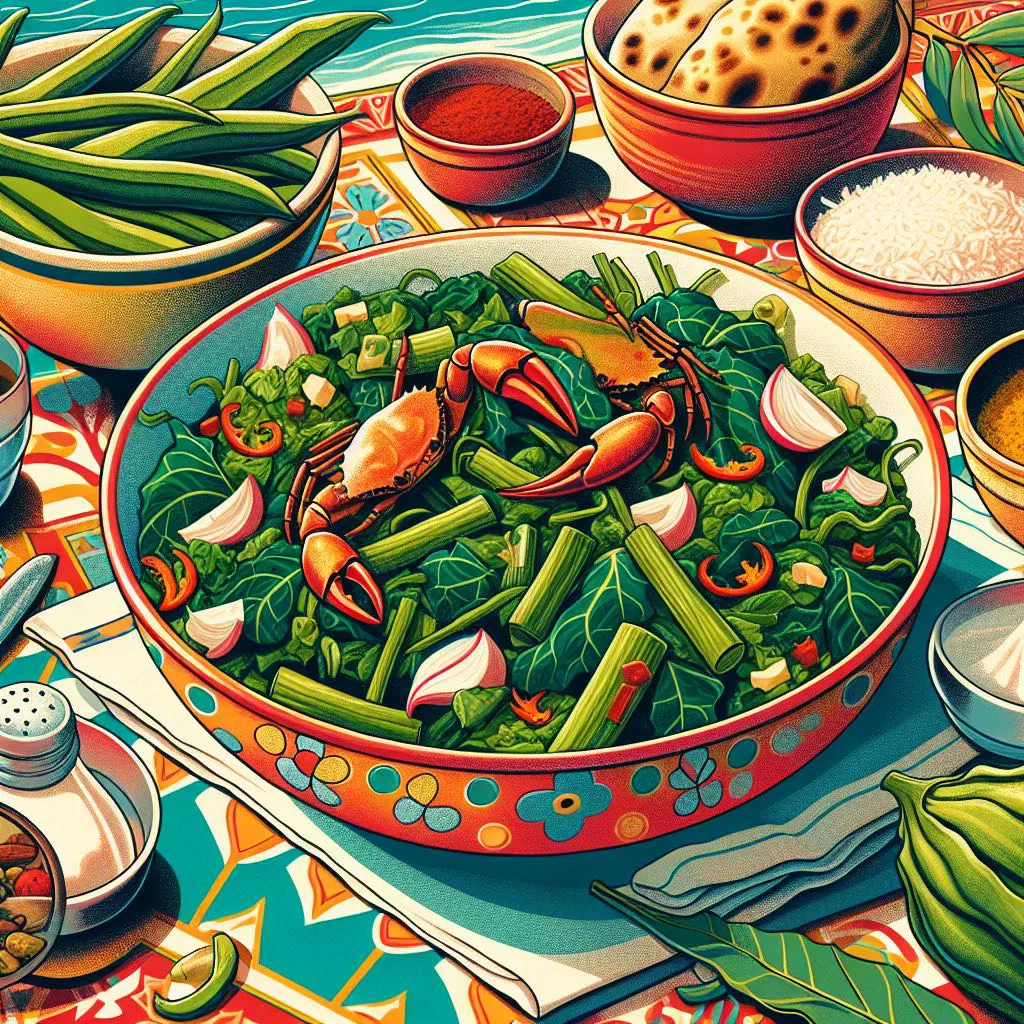
Meet Calalou, a fragrant vegetable stew that carries the very soul of Haiti in every spoonful. Built around tender okra, fresh spinach and a warming blend of herbs and spices, it is the kind of dish that turns simple ingredients into something quietly spectacular. Often served with rice or fufu, it is comforting, wholesome and deeply rooted in tradition. Bring a taste of the Caribbean straight to your own table.
About Calalou
Calalou is a traditional Haitian dish that reflects the island’s rich culinary heritage. This aromatic stew combines fresh ingredients such as okra, spinach and an array of herbs and spices into an appealing flavour. It is frequently served with rice or fufu, which showcases the versatility and generosity of Haitian cooking. The variety of ingredients and the different ways of preparing it make Calalou an experience you really should not miss.
Ingredients (serves 1–2)
- 200 g fresh okra
- 150 g fresh spinach
- 100 g onions, chopped
- 2 cloves garlic, chopped
- 1 tablespoon vegetable oil
- 1 teaspoon thyme
- 1 teaspoon paprika
- Salt and pepper to taste
- Optional: a pinch of cayenne pepper for a little heat
Shopping for the ingredients
When you gather the ingredients for Calalou, look for the freshest produce to bring out the best flavour. Okra and spinach are often available at markets, where they come straight from the grower. The spices can be found in local supermarkets or specialist shops. It is especially worthwhile to choose good-quality oils and herbs, as these are what refine and lift the aromas of the finished dish.
Preparing the dish
Before you start cooking Calalou, wash and prepare all the ingredients thoroughly. The okra should be sliced, while the spinach is roughly chopped. The onions and garlic should be finely chopped too, so they release their aromas to the full. This groundwork is key to a smooth cooking process and helps the flavours spread evenly through the stew.
Step-by-step instructions
- Heat the vegetable oil in a pan over medium heat.
- Add the onions and garlic and fry until soft and fragrant.
- Stir in the okra and cook for about 5 minutes, until it begins to soften.
- Add the chopped spinach and let it wilt down.
- Season the dish with thyme, paprika, salt, pepper and the optional cayenne pepper.
- Cook everything through until the flavours have melded together.
- Serve the Calalou hot, ideally with rice or fufu.
Gluten-free / lactose-free version
Calalou is a natural fit for a gluten-free and lactose-free diet, since none of the ingredients contain gluten or dairy. When buying the spices and oils, just make sure they are free from any unwanted additives. If you have a gluten intolerance, you can prepare fufu from cornmeal or simply enjoy rice as a side.
Tips for vegans and vegetarians
Calalou is naturally a delicious vegetarian and vegan dish, perfect for anyone who follows these ways of eating. To deepen the flavour, you can add a little turmeric or even some coconut milk. The dish is already rich in fibre and nutrients thanks to all the fresh vegetables. For a protein-packed version, stir in beans or tofu to make it even more nourishing.
More tips and tricks
Calalou can be adjusted to suit your own preferences. Experiment with different vegetables or add your favourite spice to create new flavour combinations. Take care not to cook the okra for too long, as this can leave it mushy. You can also scatter fresh herbs such as coriander or parsley over the dish just before serving to give it a bright, fresh finish.
Adapting the recipe to your taste
Calalou is a versatile dish that you can tailor entirely to your own palate. Do you like things spicy? Simply add more cayenne pepper or reach for a hot sauce. For a milder version, hold back on the spices and use more vegetables. Experiment with different pulses or nutty additions to bring extra textures and flavours to your dish.
Ingredient substitutions
If you do not have some of the ingredients to hand, there are plenty of alternatives that still deliver delicious results. In place of okra you can use courgette, which lends the dish a pleasant texture of its own. If fresh spinach is not available, frozen spinach works just as well. Other leafy greens such as chard or kale also pair beautifully with Calalou, the same principle behind Lalo, another beloved Haitian greens dish.
Drink pairing ideas
To round off the flavours of Calalou, a range of drinks pairs wonderfully with it. A fresh lime juice or a simple water with mint brings a refreshing note. If you prefer something alcoholic, a light wheat beer or a fruity white wine could be a good choice. For a completely alcohol-free option, fruity lemonades work well to underscore the flavour of the dish in a harmonious way.
Serving and presentation ideas
The way a dish is presented can be just as important as the way it tastes. Serve Calalou in a colourful bowl to highlight the vivid colours of the ingredients. Garnish it with fresh herbs or a slice of lemon to make it more appealing to the eye. A creative arrangement on the plate can lift the whole dining experience and impress your guests.
A bit of history
Calalou has deep roots in Haitian culture and history. The dish is thought to have grown from African influences, with the use of okra being especially notable. It symbolises the blending of different cultures and their traditions. Calalou is a culinary pleasure and tells the story of the Haitian people and their agricultural way of life, making it a fine example of Haitian cuisine.
More recipe ideas
- Pikliz — a spicy homegrown vegetable relish
- Griot — seasoned and fried pork
- Pain Patate — a sweet, comforting pudding
- Soupe De Pois — a tasty and nourishing bean soup
Summary: Calalou
Calalou is a delicious and aromatic dish that reflects the variety and richness of Haitian cooking. With its fresh ingredients and distinctive spices, Calalou is easy to prepare and offers a flavour that enchants the senses. This authentic Haitian dish brings a piece of culture and tradition straight to your table. Do not wait any longer. Try this recipe and discover the heart of Haitian cuisine.