National Dish Haiti: Joumou Soup (Recipe)

In this article
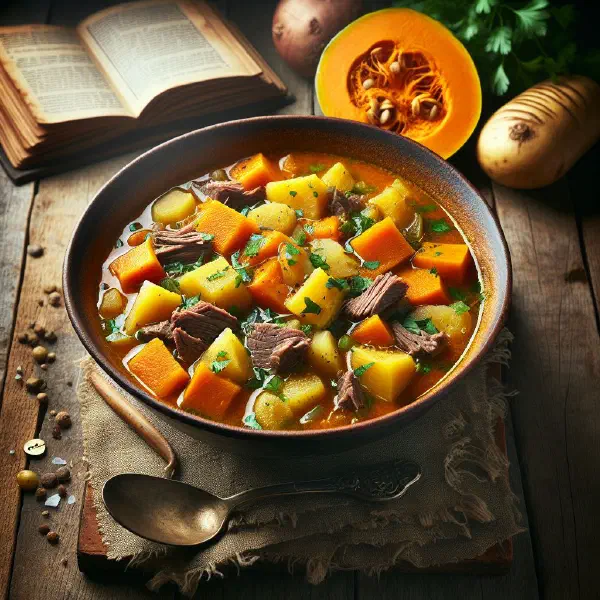
Discover Joumou Soup, the soul-warming pride of the Haitian table. This traditional pumpkin soup brings together tender pieces of beef, hearty vegetables and a fragrant blend of herbs and spices for a bowl that is as comforting as it is meaningful. Enjoyed above all on New Year’s Day, it carries the story of a nation in every spoonful. Bring a taste of Haiti’s proud kitchen straight to your own home.
About Joumou Soup
Joumou Soup, also known simply as pumpkin soup, is a hearty national dish of Haiti that is traditionally prepared on New Year’s Day. With its distinctive combination of squash, vegetables and beef, the soup holds a firm place in Haitian history and culture. Rich, golden and deeply satisfying, it is more than a meal. It is a symbol of freedom and togetherness passed down through the generations, much like the beloved Bouillon that graces so many Haitian tables.
Ingredients (serves 1–2)
- 1 small pumpkin (Hubbard squash or butternut squash)
- 1 potato, diced
- 1 carrot, sliced
- 200 g beef, cut into cubes
- 1 leek, cut into rings
- 1 onion, chopped
- 2 cloves of garlic, chopped
- 1 green pepper, diced
- 1 tablespoon olive oil
- 500 ml vegetable or beef stock
- 1 teaspoon thyme
- 1 teaspoon parsley
- Salt and pepper to taste
Shopping for the ingredients
Look for fresh, good-quality ingredients when you shop for joumou soup. Local markets often offer the best produce, and you will usually find everything you need without much trouble. The pumpkin and the beef are especially important, as they form the base flavours of the dish, so choose them with care. A firm, deep-orange squash and a well-marbled cut of beef will reward you with the richest results.
Preparing the dish
Before you start cooking, make sure all your ingredients are prepared and within easy reach. Peel and dice the pumpkin, then cut the remaining vegetables as described. Having everything ready to hand keeps the process smooth and lets you move through each step at a relaxed, steady pace. A tidy work surface makes all the difference when the soup starts to come together.
Step-by-step instructions
- Heat the olive oil in a large pot and brown the beef until it is nicely coloured all over.
- Add the onion, garlic, leek and green pepper and sauté briefly to release their aromas.
- Stir in the pumpkin, potato and carrot and mix everything well.
- Pour in the stock and bring to the boil, then lower the heat and simmer for about 30 minutes, until the vegetables are tender.
- Add the thyme, parsley, salt and pepper and let the soup simmer for a further 10 minutes.
- Optional: blend part of the soup for a creamier consistency, then return it to the pot.
- Serve hot and enjoy.
Gluten-free / lactose-free version
Joumou soup is naturally gluten-free and lactose-free, which makes it easy to serve to almost any guest. All of the core ingredients, the pumpkin, vegetables, beef and stock, are free from gluten and dairy by nature. Simply double-check that your stock and any seasonings do not contain hidden gluten or milk products.
Tips for vegans and vegetarians
Adapting joumou soup for vegans and vegetarians is simple: replace the beef with sturdy vegetables such as sweet potato or firm tofu. Use vegetable stock in place of beef stock to keep the dish entirely plant-based. Fresh herbs and seasonal produce are key to keeping the flavour bright and true. With these small swaps, the soup loses none of its warmth or character.
More tips and tricks
Experiment with different herbs and spices to give the dish a personal touch, a pinch of clove or a whisper of Scotch bonnet is traditional in many Haitian kitchens. Letting the soup simmer gently allows the flavours to deepen and marry beautifully over time.
Adapting the recipe to your taste
To tailor the recipe, try using sweet potatoes instead of regular potatoes, or add extra spices such as turmeric or paprika for more warmth and colour. You can lean into a heartier, meatier bowl or keep things lighter with a greater share of vegetables. The dish is wonderfully forgiving, so feel free to adjust it until it suits your own palate exactly, in the same spirit as a well-loved Legim.
Ingredient substitutions
If pumpkin is hard to come by, butternut squash or sweet potato make excellent stand-ins and keep that signature golden colour. For a vegetarian version, the beef can be replaced with mushrooms, which lend a satisfying, savoury depth. These simple substitutions let you adapt the recipe to what is in season or to what you have in the cupboard, without losing the heart of the dish.
Drink pairing ideas
Serve joumou with a cool glass of white wine or a refreshing ginger beer to balance its hearty, spiced notes. A homemade lemonade with lime and mint pairs beautifully too, echoing the bright flavours of a classic Boisson Citronnee. For something warming to finish, a cup of spiced tea rounds off the meal nicely and keeps the festive mood going.
Serving and presentation ideas
Serve the soup in a rustic pot or a deep bowl and garnish with fresh parsley or coriander for a burst of colour. A few drops of pumpkin seed oil add a special, nutty finish and lift the presentation. Set the table with warm bread on the side and let the golden soup take centre stage. It makes for an inviting, generous spread that draws everyone in.
A bit of history
Joumou is a symbol of freedom. It was traditionally enjoyed on 1 January 1804, after Haiti’s successful fight for independence from France, as a mark of liberty and unity. Once a soup that enslaved Haitians were forbidden to eat, it became the very dish that celebrated their hard-won freedom. To this day it remains a cornerstone of Haitian cuisine and a proud emblem of the nation’s identity.
More recipe ideas
Summary: Joumou Soup
Joumou Soup is a delicious and tradition-rich Haitian pumpkin soup that is easy to prepare and suited to many occasions. More than that, every bowl carries a story of freedom and community that has been cherished for generations. Let this Haitian classic inspire you and give it a try, your taste buds, and your guests, will thank you.