National Dish Haiti: Manje Kole (Recipe)
In this article
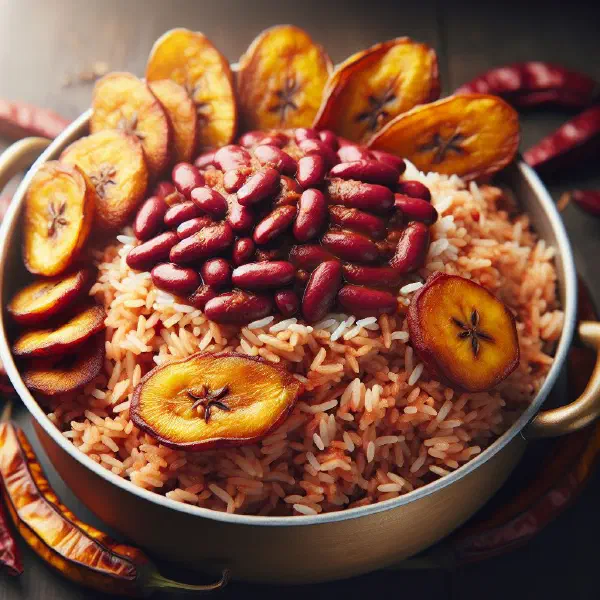
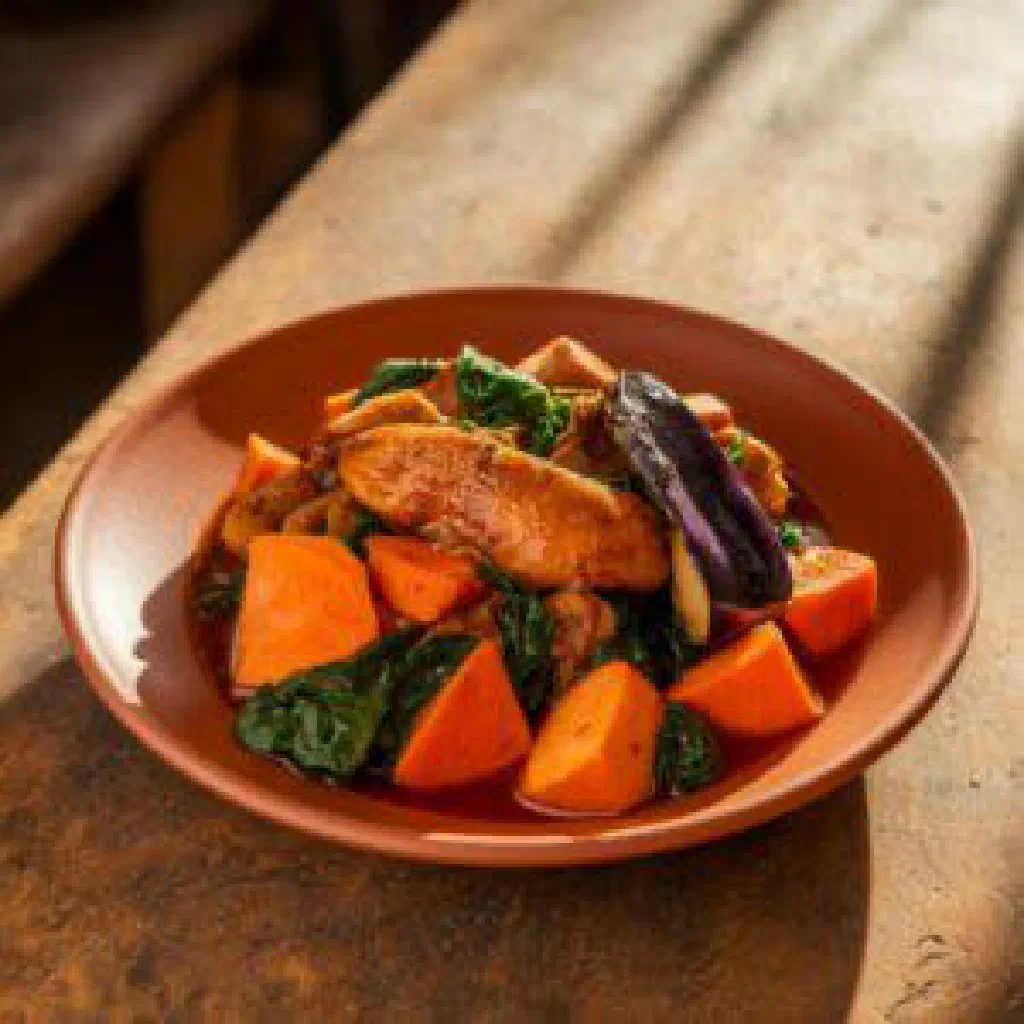
Say hello to Manje Kole, a comforting Haitian rice-and-beans dish that carries the warm flavours of the Caribbean straight to your table. Fluffy rice and tender black beans simmer together with onion, garlic and gentle spices for a meal that is nourishing, satisfying and wonderfully versatile. Naturally vegan, gluten-free and lactose-free, it is just as at home at a lively family gathering as it is served quietly alongside your favourite mains.
About Manje Kole
Manje Kole is a traditional Haitian dish that brings the aromas of the Caribbean to the table. The pairing of rice and beans results in a nourishing, flavour-packed meal that is as delicious as it is adaptable. It is often cooked with a mix of spices and fresh ingredients that lend the dish its own distinctive character. This hearty dish is perfect for sociable evenings or served as a side to other appealing plates from Haitian cuisine.
Ingredients (serves 1–2)
- 1 cup rice
- 1/2 cup black beans, cooked
- 2 cups water or vegetable stock
- 1 onion, finely chopped
- 2 cloves garlic, chopped
- 1 tsp cumin
- 1 tsp paprika
- Salt and pepper to taste
- 1 tbsp vegetable oil
- Fresh parsley, to garnish
Shopping for the ingredients
When shopping for Manje Kole, it is easiest to pick up everything you need for the dish in one go at the supermarket or local market. Look out for fresh, good-quality produce, especially the beans and vegetables. Choose organic where you can to make the most of the flavour and nutrients. Some of the more specialist spices may be found in Asian or Caribbean grocers, which can add an extra layer of authenticity to the dish.
Preparing the dish
Before you start cooking Manje Kole, it is important to wash and prepare all the ingredients thoroughly. Finely grate the onion and garlic so their aromas come through at their best. Soaking the beans overnight is recommended, particularly if you are using dried beans, as it shortens the cooking time. Remember to cut the vegetables to an even size so everything cooks at the same rate.
Step-by-step instructions
- Heat the vegetable oil in a pan over medium heat.
- Add the chopped onion and garlic and fry until translucent.
- Stir in the cumin and paprika and mix well.
- Add the rice and stir so the grains are well coated in the spices.
- Pour in the water or vegetable stock and bring the mixture to the boil.
- Once boiling, lower the heat, cover with a lid and let it simmer for about 15 minutes.
- After 15 minutes, add the cooked beans and simmer for a further 5 minutes.
- Take the pan off the heat and let the dish rest for 5 minutes before serving.
- Garnish with fresh parsley and enjoy warm.
Gluten-free / lactose-free version
Manje Kole is naturally gluten-free and lactose-free, which makes it an excellent choice for anyone with those intolerances. To be sure it stays gluten-free, check that the ingredients you use, especially the stock and spices, are free from gluten. This simple recipe is easily adjusted to suit other dietary needs, too. It can just as readily be made vegan by using only plant-based ingredients.
Tips for vegans and vegetarians
To prepare Manje Kole as a vegan dish, simply leave out any animal products in the stock or the cooking. Use vegetable stock and plant-based oil rather than butter. You can also add different vegetables to boost the nutritional value and vary the flavours. The beans can be swapped for other pulses you prefer, giving you the chance to explore new tastes.
More tips and tricks
A few simple tips can take Manje Kole to the next level. Consider pairing the dish with roasted vegetables for an interesting texture and extra flavour. Use fresh herbs such as coriander or basil for a more intense flavour profile. Experiment with different spices to tweak the dish to your taste and bring some variety to your meals. A squeeze of lime juice just before serving rounds off the aroma beautifully, much as it does in a bright plate of Pikliz.
Adapting the recipe to your taste
Manje Kole is extremely adaptable and easy to tailor to personal preference. If you like a spicier version, for example, you can add fresh chilli or cayenne pepper. The choice of beans can vary too; alongside black beans, you might use kidney beans or pinto beans. Different vegetables such as peppers or carrots add further variety. You could also serve the dish with avocado for a creamy component.
Ingredient substitutions
If you are missing a few ingredients from your store cupboard, there are plenty of alternatives you can use in Manje Kole. Instead of rice you could use quinoa, which offers a higher nutritional content and is also gluten-free. If you are not keen on black beans, white beans or lentils make a good substitute. The choice of spices can be flexible as well; a mix of Italian herbs gives the dish a different but equally delicious character.
Drink pairing ideas
To enhance the flavours of Manje Kole, a few accompanying drinks are perfectly suited. A fresh mojito or a refreshing cocktail with mint and lime pairs wonderfully. If you would rather have something alcohol-free, a Caribbean fruit juice or a cool lime lemonade is an excellent choice. Water infused with mint or cucumber also combines well and provides a refreshing finish.
Serving and presentation ideas
The presentation of Manje Kole can lift the whole dining experience. Serve the dish in a beautiful bowl and garnish it with fresh herbs for a colourful, appealing look. Use bright sides such as grilled vegetables or fresh avocado to create contrast, a golden Griot alongside makes a fine spread. A small slice of lime on the side can be both decorative and add an extra touch of freshness. Make sure the plates are warm, too, to get the best from the meal.
A bit of history
Manje Kole has its roots in Haiti’s rich culinary culture and comes from a tradition that values simple yet nourishing ingredients. Rice and beans have always been central to Haitian cooking, serving as both a staple food and an important source of protein. This dish reflects the creativity of Haitian home cooking, in which different flavours and textures are combined in harmony. It is often served at celebrations and special occasions, much like the festive Joumou, and contributes to Haiti’s cultural identity.
More recipe ideas
Summary: Manje Kole
Manje Kole is a traditional Haitian dish that unites many flavours and aromas through its combination of rice and beans. Its simple preparation makes it an ideal choice for almost any occasion. Not only is it nourishing, it is also easily adapted to personal tastes and dietary needs. Let Haitian cooking inspire you and give Manje Kole a try yourself, a dish that is sure to become the highlight of your table.