National Dish Haiti: Pouding de Pain (Recipe)
In this article
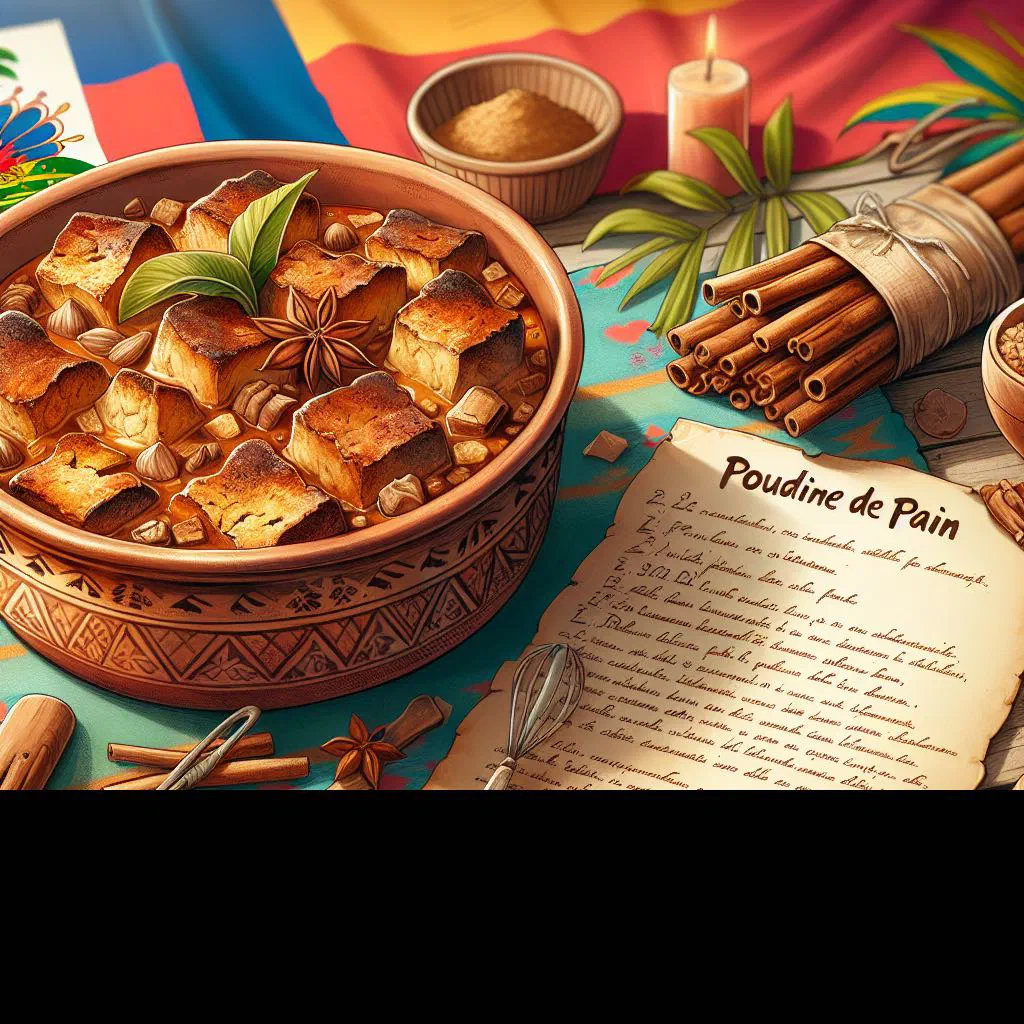
Discover Pouding de Pain, Haiti’s answer to bread pudding and a warm, comforting way to end any meal. This much-loved Caribbean dessert transforms stale bread into something wonderful, blending ripe banana, vanilla and warming spices into a soft, golden bake. It is thrifty, generous and deeply satisfying, a sweet reflection of Haitian hospitality served straight from the oven to your plate.
About Pouding de Pain
Pouding de Pain is a traditional Haitian dessert that captures the flavours of the Caribbean beautifully. It is typically made from stale bread, fruit and an array of gentle spices, baked until soft and golden. Making Pouding de Pain is a small culinary art and a clever way to give leftover bread a delicious second life. The warm-hearted soul of Haiti shines through in the simplicity and comforting taste of this unique dish, much like other classics of Haitian cuisine.
Ingredients (serves 1–2)
- 3–4 slices of stale bread
- 1 ripe banana
- 1 cup milk (or a plant-based alternative)
- 1/4 cup sugar
- 1 teaspoon vanilla extract
- 1 teaspoon ground cinnamon
- 2 eggs
- A pinch of salt
- Optional: dried fruit or nuts
Shopping for the ingredients
When shopping for Pouding de Pain, it is worth choosing fresh produce. Make sure the bread is not mouldy, as it is the main component of the dessert. Fresh fruit such as the banana should be ripe but not overripe, to give the right sweetness and texture. Many shops also stock a wide range of plant-based alternatives that work wonderfully in this recipe.
Preparing the dish
To begin preparing Pouding de Pain, first cut the bread into small pieces and set it aside in a large bowl. The banana can either be mashed or sliced and added to the mixture later on. Make sure all the other ingredients are ready to hand so the whole process moves along smoothly. A little organisation means you never miss a step and can perfect the final result with ease.
Step-by-step instructions
- Preheat the oven to 180°C.
- Soak the stale bread in a bowl with the milk.
- In a separate bowl, whisk together the eggs, sugar, vanilla, cinnamon and salt.
- Add the mashed or sliced banana to the egg mixture.
- Stir in the soaked bread pieces and combine well.
- Pour the mixture into a greased baking dish and smooth the top.
- Optional: scatter dried fruit or nuts over the surface.
- Bake in the preheated oven for about 30–35 minutes, or until the top is golden brown.
Gluten-free / lactose-free version
Pouding de Pain adapts easily to gluten-free and lactose-free diets. Simply swap the regular bread for a gluten-free loaf that soaks up the liquid well. For a lactose-free version, use a plant-based milk such as almond or soya milk, which tastes just as lovely. These small changes let you enjoy the dish authentically without any compromise on your own dietary needs.
Tips for vegans and vegetarians
For vegans, Pouding de Pain offers plenty of scope for adaptation. Instead of eggs, you can use flaxseed or extra banana as a binder. The milk, too, can be replaced with a plant-based alternative to keep the dish entirely vegan. That way everyone with a sweet tooth can enjoy the full flavour of the dessert without setting aside their own way of eating.
More tips and tricks
There are many small tricks that can lift your Pouding de Pain even further. When soaking the bread, for instance, you might add spices such as nutmeg to give the dessert a special note. Checking on the bake now and then also helps you achieve the perfect result.
Adapting the recipe to your taste
Tailoring the Pouding de Pain recipe to your own preferences is simple. Experiment with different fruits or fillings to discover new flavours. You might like to add extra sweetness with honey or maple syrup for a fresh dimension. There are no fixed rules here. Try out different variations until you find your perfect blend, just as you would with a fruity Compote de Fruits.
Ingredient substitutions
If you do not have every ingredient for Pouding de Pain to hand, there are plenty of alternatives to fall back on. Sugar, for example, can be replaced with honey or agave syrup for a natural sweetness. Traditional spices can likewise be swapped for others such as cardamom or ginger to create new taste experiences. Rely on creative solutions and your imagination to adapt the dessert to whatever you have available.
Drink pairing ideas
A wide choice of drinks can accompany a delicious Pouding de Pain. A freshly pressed fruit juice, such as orange or pineapple, brings a refreshing note that complements the sweet flavours beautifully. Equally, a light white wine pairs splendidly if you are planning a more elegant menu. For a non-alcoholic option, a herbal tea or a cooling iced tea would harmonise wonderfully.
Serving and presentation ideas
The presentation of Pouding de Pain can make all the difference in how appetising it looks. Serve it in small bowls and decorate with fresh fruit or a dusting of icing sugar. A scoop of ice cream alongside creates a lovely contrast of warm and cold. Remember to keep the colours harmonious too, so the dessert looks as inviting as it tastes. It sits happily beside gentler sweets like Blanc Manger.
A bit of history
Pouding de Pain is not only a delicious dish but one with a history rooted in Haitian culture. The combination of ingredients reflects the resourceful way people made the most of what they had, often in the face of hardship. Using up leftover bread grew out of a need to avoid food waste. In this way the dessert unites tradition with a practical approach to cooking, showcasing the creativity of the Haitian home kitchen in the most heartfelt way.
More recipe ideas
Summary: Pouding de Pain
All in all, Pouding de Pain is a wonderful example of Haiti’s rich culinary tradition. This delicious combination of stale bread, fruit and gentle spices delivers an incomparable taste experience. This dessert brings together both creativity and tradition.