National Dish Honduras: Dulce de Leche (Recipe)
In this article
Sink into the sweet side of Honduran cooking with Dulce de Leche, a silky milk caramel that has won hearts far beyond Central America. Made by patiently simmering milk and sugar until they turn a deep, glossy gold, it delivers a rich caramel flavour and a wonderfully velvety texture. Spoon it straight from the jar or use it to crown all manner of puddings, either way, this humble treat is pure indulgence.
About Dulce de Leche
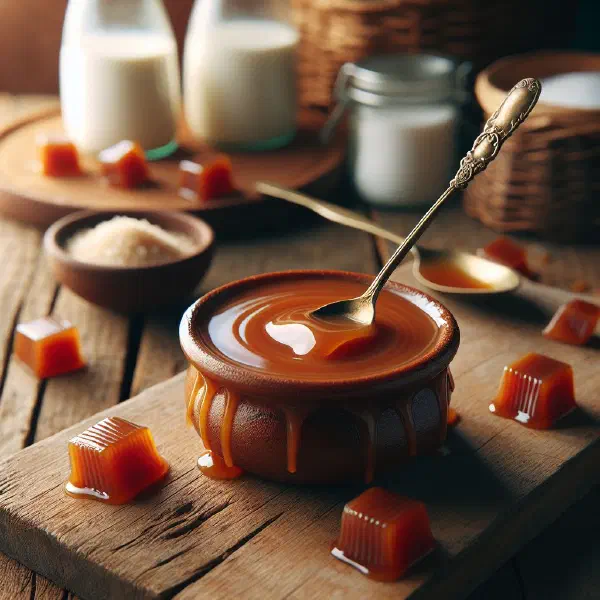
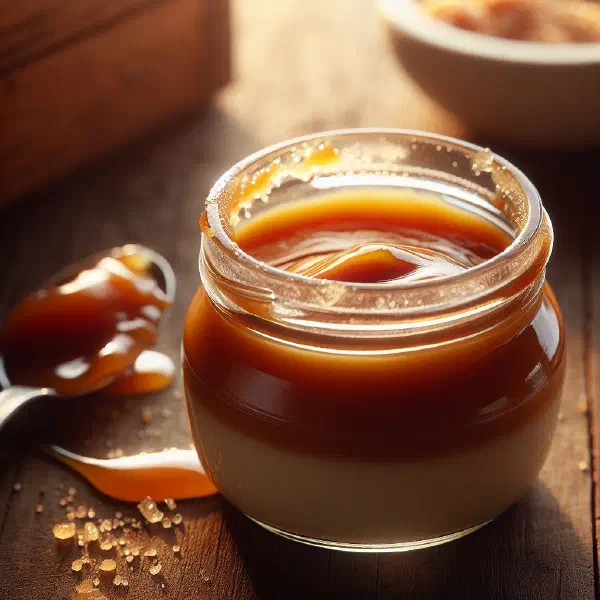
Dulce de Leche is one of the sweetest temptations that traditional Honduran cooking has to offer. This creamy milk confection is made by slowly heating milk and sugar until the ingredients transform into a rich, golden-brown caramel cream. The depth of flavour and its smooth, velvety texture make it a much-loved dessert that has captured the hearts of locals and travellers alike. Enjoy dulce de leche on its own or as a luscious addition to other sweet treats.
Ingredients (serves 1–2)
- 1 cup whole milk
- 1/2 cup sugar
- 1/4 teaspoon vanilla extract
- 1/4 teaspoon baking soda
Shopping for the ingredients
Making dulce de leche calls for just a handful of simple ingredients that are easy to come by. Pop into your local supermarket to pick up guaranteed-fresh whole milk. When buying sugar, choose ordinary white sugar to achieve the best caramelisation. Vanilla extract lends the dulce de leche its distinctive aroma and should certainly be on your shopping list too.
Preparing the dish
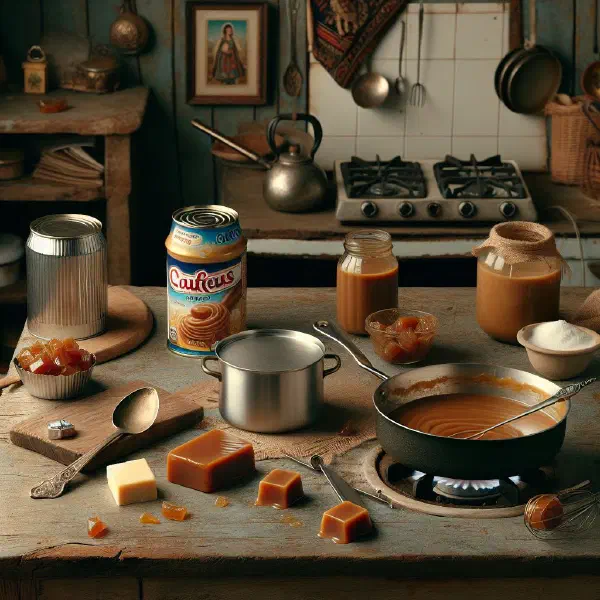
Before you start making dulce de leche, make sure you have all the necessary ingredients within easy reach. Begin by choosing a suitable pan; a heavy, non-stick pan works best to keep the milk from catching and burning. Ensure your work surface is clean and tidy, as the preparation needs a bit of attention. It is well worth investing a little time in the groundwork so that your dulce de leche turns out perfectly.
Step-by-step instructions
- Add the whole milk, the sugar, the baking soda and the vanilla extract to a heavy pan.
- Heat the mixture over medium heat, stirring continuously to prevent it from catching.
- Once it comes to the boil, lower the heat and let it simmer gently. Stir every few minutes.
- After roughly 1 to 1.5 hours the mixture will thicken and take on a golden colour. Keep stirring steadily to reach the right consistency.
- When the desired consistency is reached, take the pan off the heat and leave the dulce de leche to cool.
Gluten-free / lactose-free version
Dulce de leche is naturally gluten-free, but if you would like a lactose-free version you can use almond milk or coconut milk in place of whole milk. These alternatives have their own delicate flavour that pairs beautifully with the caramel. Just make sure the sugar you use is lactose-free too, so your dessert is suitable for everyone. With these simple tweaks, even those on special diets can indulge in this sweet temptation.
Tips for vegans and vegetarians
There are plenty of ways for vegans to enjoy dulce de leche. Simply swap the whole milk for plant-based milk alternatives such as soya, oat or coconut milk. Here too it is important to keep an eye on the sugar and make sure it is vegan-friendly. That way the dessert is suitable for everyone, without giving up any of the full flavour of dulce de leche.
More tips and tricks
To make sure your dulce de leche turns out perfectly, patience is key. Cooking it too quickly can lead to an uneven consistency that lacks the flavour you are after. Use a wooden spoon to stir the mixture; this helps stop milky residue from settling at the bottom of the pan. Likewise, keep the heat low to avoid scorching the milk or letting the caramelisation race ahead too fast.
Adapting the recipe to your taste
The basic dulce de leche recipe is easy to adapt to your own preferences. Add a pinch of salt during cooking to intensify the flavour, or experiment with aromatics such as cinnamon or bay leaves for a special note. If you have a real sweet tooth, you can increase the amount of sugar or reach for a honey substitute. These variations make the dessert all the more interesting and entirely your own, much like the cinnamon-scented comfort of Arroz con Leche.
Ingredient substitutions
If you would rather not use whole milk, try milk alternatives such as rice milk or oat milk, which also produce a delicious caramel cream. Sugar can be swapped for coconut sugar or stevia to create a lighter version. These ingredients will influence the end result but still offer their own delicate flavours. It is a good idea to experiment in small quantities to achieve the outcome you are after.
Drink pairing ideas
Dulce de leche pairs perfectly with a range of drinks that complement its sweetness. A cup of freshly brewed coffee or espresso works wonderfully with the caramel flavour and underscores its intensity. For a non-alcoholic option, try aromatic teas such as chai or vanilla tea, which offer a lovely contrast. For something more festive, a glass of Agua de Jamaica rounds off the dessert beautifully.
Serving and presentation ideas
Presenting dulce de leche can be an art in itself. Serve it in small jars or bowls, garnished with whipped cream and chocolate shavings for an appealing look. Fresh fruit such as strawberries or bananas complements the dessert both in flavour and appearance. A thoughtful presentation whets the appetite and adds to the whole experience and invites everyone to dig in. Try it alongside a plate of Chocobananos.
A bit of history
Dulce de leche has its origins in the kitchens of Central America and the Caribbean. This sweet delicacy has grown into a lifelong favourite and today is loved not only in Honduras but in many other countries too. The traditional way of making dulce de leche has barely changed over the years and remains one of the finest ways to turn milk and sugar into a decadent treat. It often plays a starring role at cultural events and festivals, where this indulgence is an essential part of the buffet and a proud fixture of Honduran cuisine.
More recipe ideas
Summary: Dulce de Leche
Dulce de Leche is more than just a dessert; it is a little piece of culture on a plate. With its simple yet delicious preparation, it brings a slice of Central America into your kitchen. Give this versatile recipe a try and let its flavours enchant you.