National Dish Honduras: Frijoles con Chorizo (Recipe)
In this article
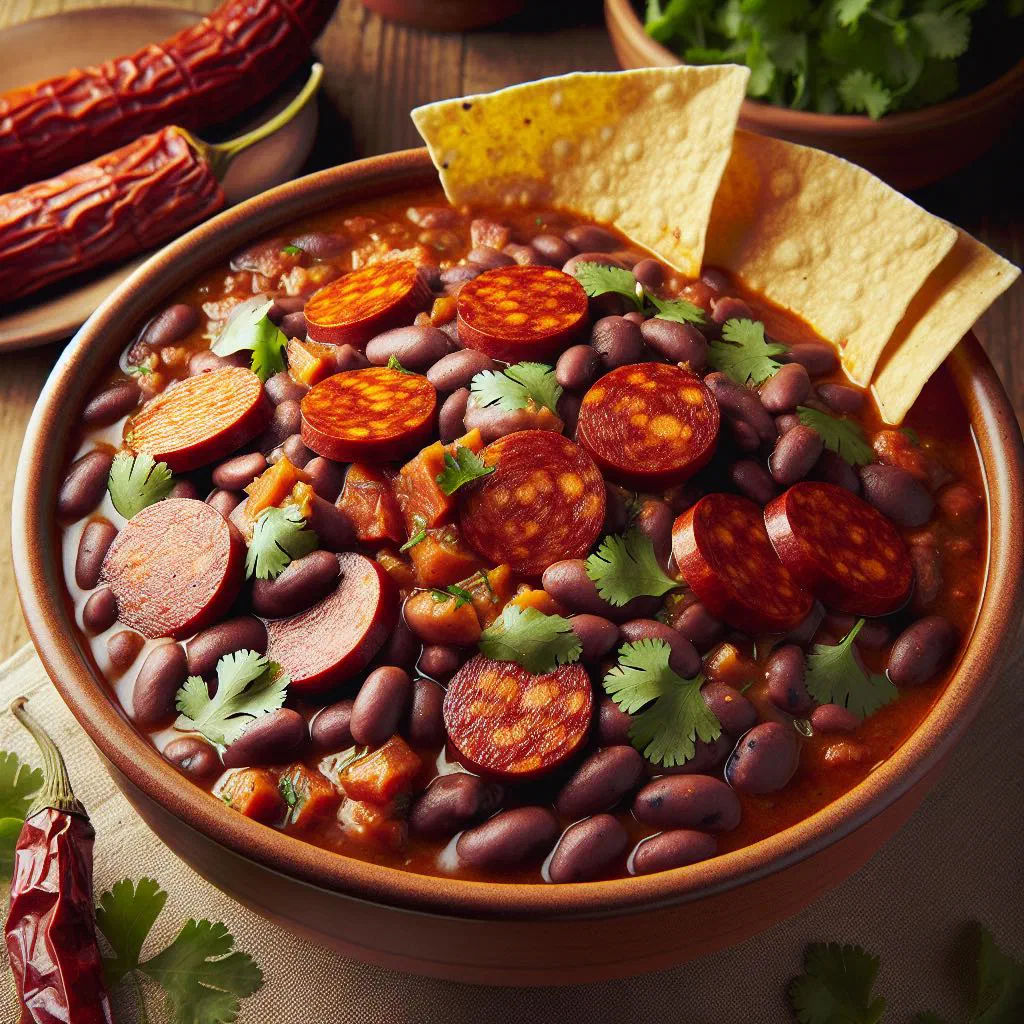
Discover Frijoles con Chorizo, a soulful staple of the Honduran table. This hearty dish brings together the nutty warmth of tender beans and the spicy bite of chorizo for a meal that is as comforting as it is satisfying. Fragrant with cumin and garlic, it is the kind of everyday classic that families across Central America return to again and again. Bring a taste of Honduras straight to your own kitchen.
About Frijoles con Chorizo
Frijoles con Chorizo is a hearty dish that sits at the very heart of Honduran home cooking. It pairs the nutty aromas of beans with the spicy note of chorizo, creating a balance that is both rich and deeply comforting. The dish is often served with rice and warm tortillas to make a filling, well-rounded meal. More than simply delicious, it reflects the traditions and the culinary diversity of Honduras.
Ingredients (serves 1–2)
- 200 g black beans (dried or tinned)
- 100 g chorizo
- 1 small onion, diced
- 2 garlic cloves, chopped
- 1 teaspoon cumin
- Salt to taste
- Pepper to taste
- Fresh coriander leaves, to garnish
Shopping for the ingredients
The ingredients for frijoles con chorizo are easy to find in most supermarkets. If you buy fresh beans, look for ones that are good quality and intact. Chorizo is usually stocked in the meat section, though you can also reach for vegan chorizo if you prefer a plant-based option. Onions and garlic are kitchen staples found in almost every home, and they enrich the flavour of the dish considerably.
Preparing the dish
Before you start cooking, make sure the beans are properly prepared. If you are using dried beans, they need to soak in water for at least 8 hours. Soaking softens the beans and shortens the cooking time. Once soaked, drain them and cook in fresh water until they are tender.
Step-by-step instructions
- Bring the beans to the boil in a pan of water and simmer for around 1 hour, until soft.
- Heat a little oil in a frying pan and sauté the onions and garlic until translucent.
- Slice the chorizo and add it to the onions and garlic, cooking until nicely browned.
- Add the cooked beans and stir everything together well, seasoning with cumin, salt and pepper.
- Let the dish simmer gently over low heat so the flavours can develop, then garnish with fresh coriander and serve.
Gluten-free / lactose-free version
Frijoles con Chorizo is a natural dish that is inherently gluten-free and lactose-free, as long as you make sure the chorizo you use contains no gluten-based ingredients. This makes it an excellent choice for anyone with a gluten or lactose intolerance. Take care to use fresh, unprocessed ingredients to keep the dish suitable for every kind of diet. Served with corn tortillas rather than wheat ones, it stays gluten-free from start to finish.
Tips for vegans and vegetarians
For vegans and vegetarians, the dish is easily adapted by swapping the chorizo for a plant-based alternative. There are many options on the market that offer a similar flavour and texture to chorizo. You can also enrich the dish with a variety of vegetables to add more nutrients. A little avocado on top pairs beautifully and lifts the whole plate, much like it does in a hearty Baleada.
More tips and tricks
An important tip when making frijoles con chorizo is to drain the beans well before adding them to the other ingredients. This stops the dish from turning too watery. A final splash of lime juice can be stirred in at the end to lend a fresh, bright finish. If you are cooking for more than one meal, the leftovers keep well in the fridge and taste even better the next day.
Adapting the recipe to your taste
The best thing about frijoles con chorizo is that you can adapt it entirely to your own liking. If you prefer it spicier, add chilli powder or fresh chillies. For a creamier texture, stir in a little cream or coconut milk.
Ingredient substitutions
If you do not have black beans to hand, you can easily switch to red beans or whole white beans. The chorizo can also be replaced with other types of sausage, depending on your preference or what is available. If you are not keen on onion, swap it for milder spring onions or shallots. Feel free to experiment with different combinations to find the ideal mix for you, just as you might when making Frijoles Molidos.
Drink pairing ideas
To complement frijoles con chorizo, soft drinks such as fresh lemonade or a cold beer work very well. If you enjoy wine, consider a light red or a fruity white. A good craft beer with a gentle bitterness can also underline the flavours of the dish perfectly. Think about what you personally enjoy most and pair accordingly, a refreshing Horchata de Arroz is another lovely match.
Serving and presentation ideas
An attractive presentation of frijoles con chorizo can greatly enhance the whole experience. Serve the dish in a lovely bowl and garnish generously with fresh coriander. You can also offer a few lime wedges on the side to add extra brightness. Arranging it with tropical fruit or a colourful salad garnish brings more colour to the table and lifts the overall impression of the meal.
A bit of history
The roots of frijoles con chorizo lie in traditional Honduran cooking, strongly shaped by both indigenous cultures and the Spanish colonial era. Beans are a cornerstone of the Central American diet and have been cultivated for centuries. The chorizo, meanwhile, is a nod to the culinary influence of Spain. Over the years the dish has evolved and remains a much-loved part of Honduran family cooking and the wider world of Honduran cuisine.
More recipe ideas
Summary: Frijoles con Chorizo
Frijoles con Chorizo offers an authentic taste of Honduras that is easy to recreate at home. It is a nourishing and versatile dish that adapts wonderfully to personal preferences. This dish is a real treat for anyone keen to explore the diversity of Central American cooking. Enjoy this hearty dish and bring a little piece of Honduras to your plate.