National Dish Honduras: Yuca con Chicharrón (Recipe)
In this article
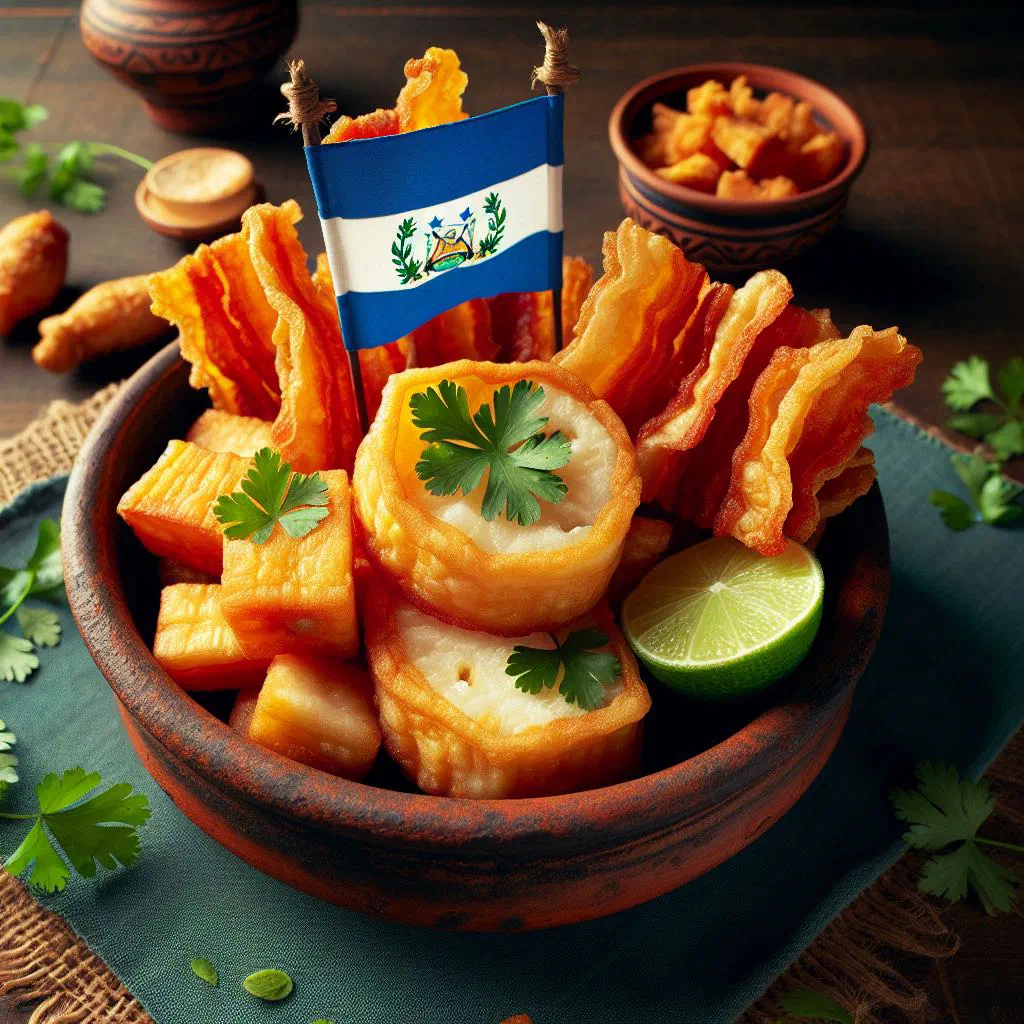
Meet Yuca con Chicharrón, a dish that puts the heart of Honduran cooking right on your plate. Tender chunks of boiled cassava meet golden, crackling pork, all lifted by a bright, zingy salsa and a squeeze of citrus. It is honest, satisfying food, the sort of plate you would find at a roadside stall or a family gathering, and it comes together with surprisingly little fuss. Bring the warm flavours of Honduras straight into your own kitchen.
About Yuca con Chicharrón
Yuca con Chicharrón is a traditional Honduran dish that captures the flavours and culture of the country in memorable fashion. Its main ingredient, yuca, also known as cassava or manioc, is a starchy root grown across many tropical regions of the world. Prized for its hearty texture, it lends itself to all sorts of preparations. Paired with crisp chicharrón, it creates a harmonious eating experience that is both filling and delicious. If you love this pairing, you will also enjoy the closely related Chicharrón con Yuca.
Ingredients (serves 1–2)
- 500 g yuca (cassava)
- 200 g chicharrón (fried pork rinds)
- 1 garlic clove, chopped
- 1 lemon, juiced
- Salt and pepper to taste
- Fresh salsa (tomato, onion, coriander, lime juice)
Shopping for the ingredients
To make Yuca con Chicharrón well, it is worth buying the freshest ingredients you can find. The yuca should be firm and unblemished to guarantee the best texture and flavour. Chicharrón is available in many grocery shops and at weekly markets, look out for a good-quality version. Fresh ingredients for the salsa can likewise be sourced locally, keeping the dish authentic and full of flavour.
Preparing the dish
Preparing Yuca con Chicharrón is straightforward and takes only a few steps. First, peel the yuca thoroughly and cut it into large pieces. Then boil the yuca in salted water until tender, which takes about 20–30 minutes. Meanwhile, you can fry the chicharrón in a pan until crisp, adding extra flavour and texture.
Step-by-step instructions
- Peel the yuca and cut it into pieces roughly 5 cm in size.
- Bring a large pan of salted water to the boil and cook the yuca for 20–30 minutes, until soft.
- In a separate pan, fry the chicharrón over medium heat until crisp.
- Drain the cooked yuca and lightly mash it with a fork.
- Arrange the yuca and chicharrón on a plate and serve with fresh salsa and a squeeze of lemon.
Gluten-free / lactose-free version
Yuca con Chicharrón is naturally gluten-free and lactose-free, which makes it an excellent choice for anyone with those intolerances. Just make sure that all the other ingredients, especially the salsa, are also free from gluten and lactose to keep the whole dish suitable. That way everyone can enjoy this traditional plate without worrying about a reaction.
Tips for vegans and vegetarians
Although Yuca con Chicharrón is traditionally made with animal products, there are vegan alternatives. In place of chicharrón you can use firm tofu or fried plant-based options that offer a similar crisp texture. These are every bit as tasty and let you enjoy the flavours of the dish in a plant-based way. Serve with extra vegetables and a delicious vegan salsa for even more variety.
More tips and tricks
To get the very best out of Yuca con Chicharrón, a few tips and tricks go a long way. Use fresh, high-quality ingredients to bring the flavours forward. Experiment with the spices in your salsa to give the dish a personal touch. Serving it with a couple of different salsa styles is also a lovely way to keep each mouthful interesting.
Adapting the recipe to your taste
Everyone has their own preferences, and Yuca con Chicharrón adapts beautifully. Add green chillies or avocado to the salsa, for instance, to build extra flavour complexity. You could also stir in different herbs to add a special note. Try various combinations to shape the dish exactly to your liking.
Ingredient substitutions
There are plenty of substitutions for the ingredients in Yuca con Chicharrón worth trying. Instead of yuca you can use sweet potatoes, which have a similar consistency but a sweeter taste. If chicharrón is unavailable, roasted chickpeas or fried aubergine make a tasty option for vegetarian and vegan diners. For a lighter, herbier twist on the root, take a look at Yuca con Salsa Verde.
Drink pairing ideas
A hearty dish like Yuca con Chicharrón goes wonderfully with all sorts of drinks. A classic, refreshing beer complements the flavours nicely. If you prefer something non-alcoholic, a cold lemonade or a freshly pressed fruit juice is ideal for balancing the richness.
Serving and presentation ideas
The presentation of Yuca con Chicharrón can enrich the whole meal. Use colourful crockery to serve it up in style. Choose fresh, green herbs such as coriander or parsley to garnish the plate. Placing the salsa in a small bowl beside the main dish gives the plate an inviting look and adds welcome splashes of colour.
A bit of history
Yuca con Chicharrón has a long history in Honduran cooking. Yuca is a staple food across many Latin American countries and symbolises the region’s culinary diversity and tradition. Chicharrón, meanwhile, is a beloved snack in many cultures and is often served alongside main dishes. Bringing these two components together creates a plate that is not only delicious but rich in cultural heritage, a fine example of Honduran cuisine.
More recipe ideas
Summary: Yuca con Chicharrón
Yuca con Chicharrón is more than just a dish; it is a slice of Honduran culture on a plate. The perfect combination of crisp yuca and tender chicharrón makes for a truly distinctive eating experience. With fresh salsa and a host of possible tweaks, this dish is a great way to enjoy the varied and delicious food of Honduras. It is well worth trying this recipe in your own kitchen and adding a touch of culture to your cooking repertoire.