National Dish Hungary: Kürtőskalács (Recipe)
In this article
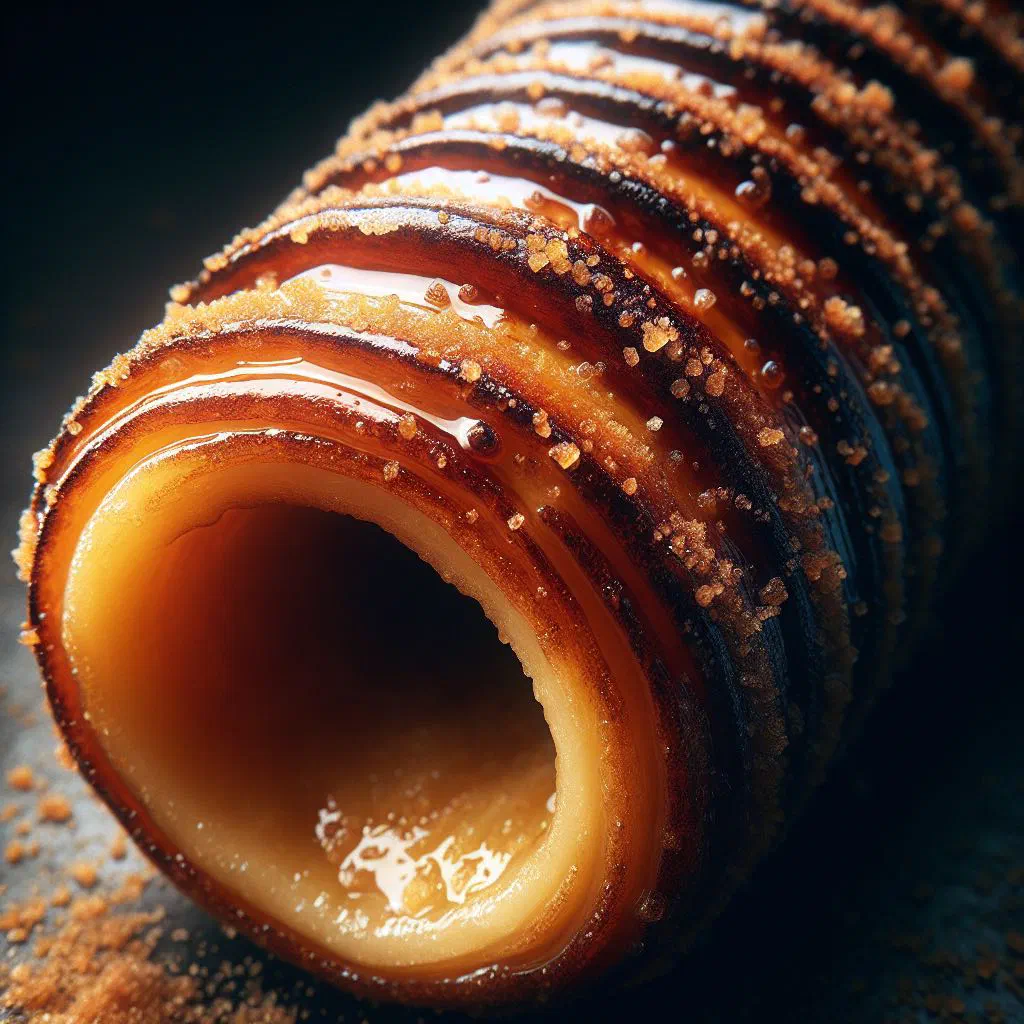
Few sweets announce themselves quite like Kürtőskalács, the spiral-wound chimney cake that perfumes every Hungarian market square with the smell of burnt sugar. A ribbon of enriched yeast dough is wrapped around a wooden spit, rolled in sugar and turned over glowing embers until the outside sets into a crackling caramel shell. Tear it open and the inside is still soft, warm and faintly buttery, a treat best eaten standing up, in the cold, with sticky fingers.
About Kürtőskalács
Kürtőskalács is often called a chimney cake, a name that captures the hollow, tube-like shape it takes on the spit. It originally comes from Transylvania, but today it is baked and sold at markets, fairs and festivals all across Hungary. Its unmistakable flavour comes from caramelised dough baked over an open fire: the sugar coating melts, hardens and shatters at the first bite, wrapping a soft, sweet interior. Every mouthful combines crunch and tenderness, which is exactly why the cake has such a devoted following.
Ingredients (serves 1–2)
- 250 g plain wheat flour
- 10 g fresh yeast
- 125 ml milk
- 50 g sugar
- 1 egg
- 50 g butter
- 1 pinch of salt
- Cinnamon and nuts, for the topping
Shopping for the ingredients
When shopping for Kürtőskalács, the quality of a very short ingredient list makes all the difference. Look for fresh yeast at your local supermarket or a specialist food shop, since it gives the dough a livelier rise than dried yeast. Choose a flour with a decent protein content so the dough develops the elasticity needed to be stretched into long ropes. Good butter is worth paying for too. It carries most of the richness in the finished cake.
Preparing the dish
Before you start on the Kürtőskalács dough, weigh everything out and have it ready. Let the butter melt gently and cool to lukewarm, and bring the egg to room temperature. Meanwhile, dissolve the yeast in warm milk so it can wake up and begin working. These small preparations make it far easier to judge the consistency of the dough and to get a reliable, delicious result.
Step-by-step instructions
- Dissolve the yeast in the warm milk and leave it to stand for about 10 minutes.
- Combine the flour, sugar and salt in a large bowl.
- Add the yeast mixture, the egg and the melted butter, then knead everything into a smooth, supple dough.
- Cover the bowl with a cloth and leave the dough to rise in a warm place for around 45 minutes.
- Roll the risen dough into long ropes and wind them in a spiral around a greased tube or wooden stick.
- Bake the Kürtőskalács over an open fire until golden brown and crisp.
- Turn the cake steadily while it bakes so it colours evenly all the way round.
- As soon as it comes off the fire, roll it in sugar, cinnamon or chopped nuts.
Gluten-free / lactose-free version
For a gluten-free version, use a gluten-free flour blend intended for bread and pastry, most combine rice flour, potato starch and tapioca starch, which together give the dough enough stretch to wrap around the spit. Check that the yeast is labelled gluten-free as well. To make the cake lactose-free, replace the butter with a plant-based alternative and use lactose-free milk in the dough. The result is every bit as crisp and fragrant.
Tips for vegans and vegetarians
Vegans can adapt the recipe with very little effort. Swap the egg for apple purée or a mixture of water and chia seeds, and use one of the vegan butter alternatives now stocked by most supermarkets. Almond or soya milk keeps the dough soft and pliable in place of dairy milk. Vegetarians can follow the recipe exactly as written, simply checking that any shop-bought toppings contain no animal-derived ingredients.
More tips and tricks
The single most important skill in baking Kürtőskalács is managing the heat. A fire that is too fierce will scorch the outside while the dough inside is still raw, so adjust the embers regularly and keep the spit turning for an even bake. It also pays to play with the caramelisation: a mix of sugar, cinnamon and a spoonful of cocoa powder gives a deeper, darker crust. If you have no open fire, a hot oven with a rotating spit attachment comes surprisingly close.
Adapting the recipe to your taste
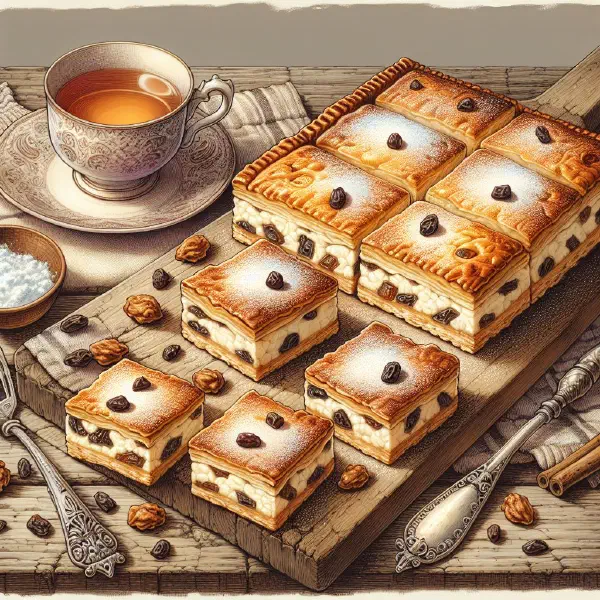
The recipe takes happily to personal tweaks, whether you want it sweeter or more aromatic. Instead of cinnamon, try ginger or vanilla sugar to give the dough a signature note of your own. The sugar can be replaced with honey for a rounder, floral sweetness. Toppings are where most people get creative, chopped chocolate, toasted coconut or a mixture of different nuts all add extra crunch, much like the sweet fillings in a Makos Kalacs.
Ingredient substitutions
A few simple swaps can make Kürtőskalács more interesting still. Coconut oil in place of butter lends the crust a gently exotic flavour, while maple syrup or agave syrup can stand in for ordinary sugar. Ground walnuts and hazelnuts are interchangeable in the topping, and a spoonful of soured cream in the dough gives a tang reminiscent of a Turos Retes. Substitutions like these let you work with whatever is already in the cupboard.
Drink pairing ideas
Kürtőskalács goes beautifully with a wide range of drinks. A glass of Hungarian red wine is the nostalgic choice, its depth balancing the sweetness of the caramel crust. If you prefer something cold, a freshly made elderflower cordial or a sharp lemon iced tea cuts cleanly through the sugar. A strong black coffee is the standard companion at winter markets and never disappoints.
Serving and presentation ideas
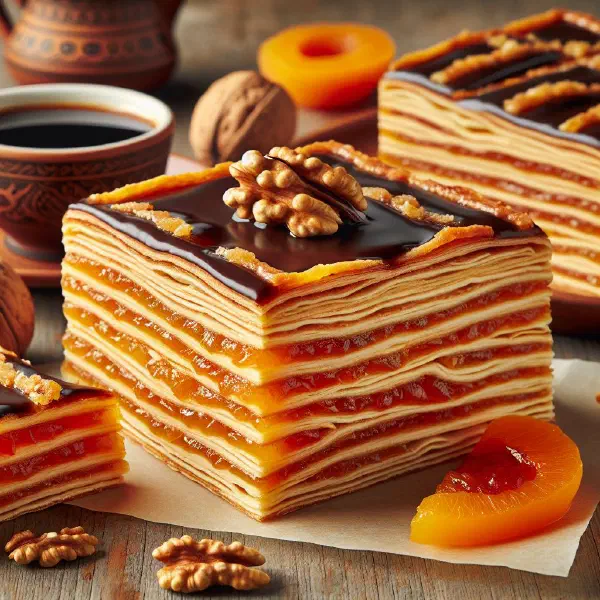
Presentation matters at fairs and parties, and Kürtőskalács is naturally photogenic. Serve the cakes upright or laid out on a large wooden board and decorate the arrangement with fresh fruit and edible flowers. Small bowls of different toppings invite guests to finish their own cake exactly as they like it. Served alongside a slice of Dobos Torta, it turns a coffee table into a proper Hungarian spread.
A bit of history
The chimney cake has a long history reaching back to the Middle Ages, when it was baked for weddings and village celebrations in Transylvania. What began as festive fare for special occasions gradually spread across the Hungarian-speaking lands and became a fixture of everyday market life. Today it is sold as a street snack far beyond Hungary’s borders, from Prague to Tokyo. Its open-fire baking and endless choice of toppings make it one of the most theatrical sweets in Hungarian cuisine.
More recipe ideas
Summary: Kürtőskalács
Kürtőskalács is far more than a sweet pastry. It is a piece of Hungarian culture you can hold in your hand. Its unique aroma and the sheer versatility of its toppings make it a very good treat that no festival would be complete without. Cinnamon or nuts, there is a version to suit everyone. Try baking it yourself and let the crackle of that caramel crust win you over.