National Dish Hungary: Mákos Kalács (Recipe)
In this article
Discover Mákos Kalács, Hungary’s beloved poppy seed bread. This recipe brings together a soft, pillowy yeast dough and a deep, nutty swirl of ground poppy seeds. It is the kind of bake that fills the kitchen with warmth, equally at home beside an afternoon coffee or on a festive table. Let the flavours of Hungary tempt you into baking a loaf of your own.
About Mákos Kalács
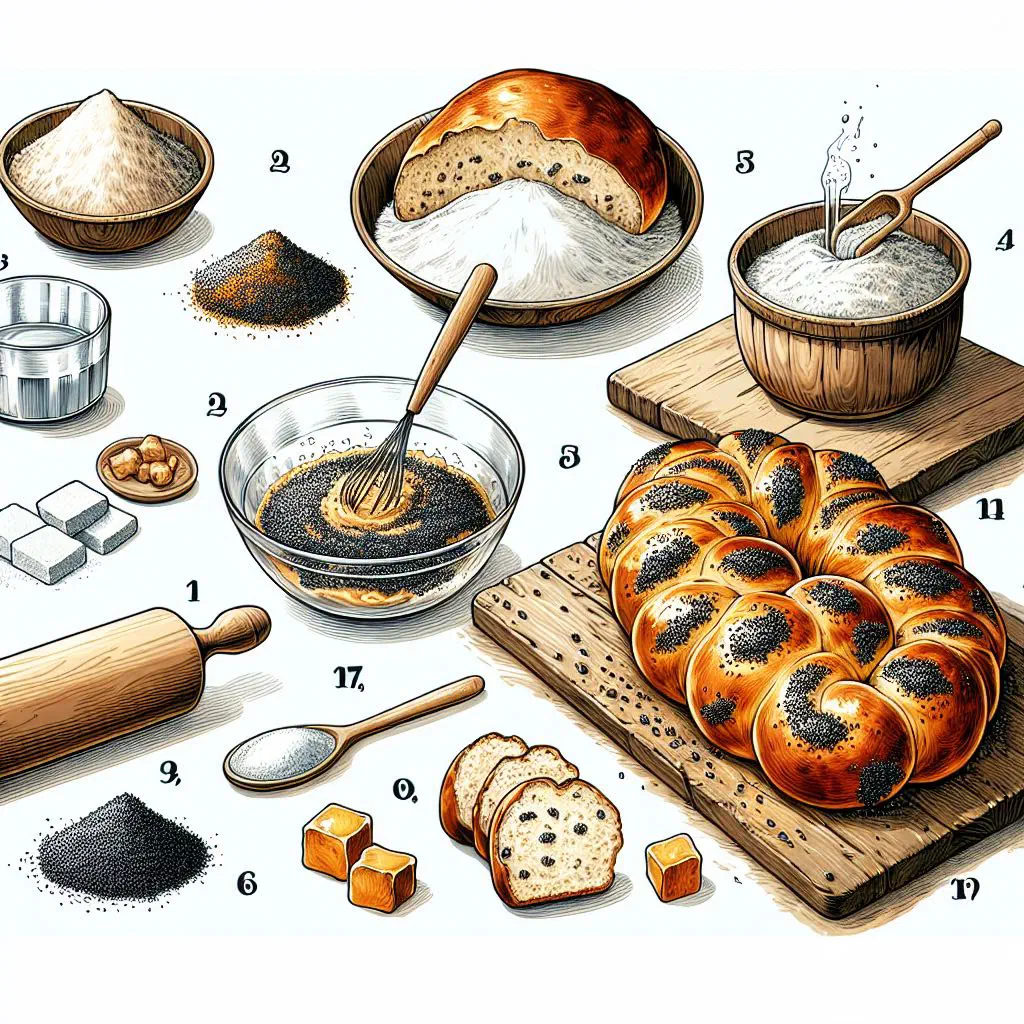
Mákos Kalács is a traditional Hungarian poppy seed loaf that wins people over with its fluffy dough and its intense poppy aroma. This delicious bake is often served as a snack with coffee or as a celebratory dessert. The combination of yeast and poppy seeds makes it a special treat that belongs on the table both when guests come round and at family celebrations. Let Hungarian baking inspire you and enjoy the unmistakable flavour of this national favourite.
Ingredients (serves 1–2)
- 250 g plain flour
- 80 g sugar
- 150 ml milk
- 1 sachet of yeast
- 2 eggs
- 50 g butter
- 150 g ground poppy seeds
- 1 pinch of salt
Shopping for the ingredients
Mákos Kalács calls for only a handful of ingredients, but they should be of good quality. Look for freshly ground poppy seeds so you get the full depth of flavour. For the yeast you can use either fresh or dried, though fresh yeast tends to give the better rise. The butter and the milk should be as fresh as possible too, as they carry much of the loaf’s richness.
Preparing the dish
Before you start on the Mákos Kalács, lay out all your ingredients so the bake runs smoothly from start to finish. It is also worth toasting the poppy seeds lightly before use, which deepens and rounds out their flavour. Measure everything carefully, yeast doughs reward precision, and accurate quantities give you the most reliable results.
Step-by-step instructions
- Warm the milk gently in a bowl and dissolve the yeast in it.
- Put the flour, sugar and salt into a large bowl and mix well.
- Add the eggs and the dissolved yeast, then knead everything into a smooth dough.
- Melt the butter and knead it into the dough until it is silky and supple.
- Cover the dough and leave it to rise in a warm place for about an hour, until doubled in size.
- Lightly toast the poppy seeds in a dry pan and mix them with sugar.
- Roll the risen dough out on a floured surface and spread the poppy seed filling over it.
- Roll the dough up and place it in a greased loaf tin.
- Leave to prove for a further 30 minutes, then bake at 180 °C for roughly 30–40 minutes.
- Let the loaf cool before slicing and serving.
Gluten-free / lactose-free version
For a gluten-free version of Mákos Kalács, use a good gluten-free bread flour blend, which works well in most enriched doughs. Do adjust the liquid slightly, as gluten-free flours behave differently and often absorb more moisture. For a lactose-free bake, simply reach for lactose-free milk and butter, which preserve the flavour beautifully. These small adjustments mean anyone with particular dietary needs can still enjoy this lovely bake.
Tips for vegans and vegetarians
Vegans can adapt Mákos Kalács by replacing the eggs with plant-based substitutes such as apple purée or soaked linseed. Vegan margarine stands in perfectly for butter, and plant milks like almond or oat work very well in the dough. Adjustments like these mean everyone can enjoy the vegan version of these wonderful flavours without stepping outside their usual way of eating.
More tips and tricks
To make baking Mákos Kalács easier, bring all your ingredients to room temperature before you begin working the dough. Use a properly sized loaf tin so the bread bakes evenly all the way through. Baking times vary from oven to oven, so keep an eye on the loaf to judge the ideal colour. One useful trick is to start it at a slightly higher temperature for the first ten minutes to develop a good crust, much as you would with a Kürtőskalács.
Adapting the recipe to your taste
The recipe is easy to tailor to your own preferences. Some bakers like to add raisins or chopped walnuts for extra texture and flavour. A pinch of cinnamon brings a gentle warmth that suits the poppy seeds well. Experiment with different aromatics and additions until you land on the version that feels like yours, the same spirit of playfulness that shapes a Rétes.
Ingredient substitutions
If you have no fresh yeast to hand, dried yeast works perfectly well, though the quantity needs adjusting accordingly. Instead of milk you can use fruit juice, which lends the crumb a subtle fruity note. Coconut oil makes a good alternative to butter and adds a faint sweetness of its own. Substitutions like these give the loaf a distinctive character and gently shift its flavour profile.
Drink pairing ideas
Several drinks suit Mákos Kalács beautifully. A cup of freshly brewed coffee or a strong black tea sits wonderfully against the sweetness of the loaf. A fruity herbal tea or a mug of hot chocolate are equally good companions, especially in colder months. Try a few different pairings until you find the combination that suits your own taste best.
Serving and presentation ideas
Thoughtful presentation lifts the whole experience. Serve the loaf on a pretty plate or a cake stand, dusted with icing sugar and garnished with fresh berries. A small square of chocolate on the side makes an elegant addition, as does a spoonful of soft cheese in the style of a Túrós Rétes. Cut the loaf into slices so the dark spiral of filling is clearly on show. It is what makes guests reach for a second piece.
A bit of history
Mákos Kalács has a long history in Hungarian baking and is closely tied to celebrations. In Hungary, poppy seeds are a symbol of fertility and prosperity, which made this loaf a favourite wedding and festival bake. It was originally reserved for special occasions, but over time it found its way into everyday kitchens, much like the poppy-seed classic Mákos Guba. The loaf is therefore not only a pleasure to eat but a genuine part of the cultural heritage of Hungarian cuisine.
More recipe ideas
Summary: Mákos Kalács
Mákos Kalács is a simple yet thoroughly delicious Hungarian bake that suits any number of occasions. With its soft crumb and aromatic poppy seed filling, it is a real treat that pleases guests and family alike. Because the recipe adapts so readily, everyone can create their own version and bring a piece of Hungarian heritage into their kitchen. Treat yourself and your loved ones to this poppy seed loaf and taste the flavours of Hungary for yourself.