National Dish Hungary: Pacalpörkölt (Recipe)
In this article
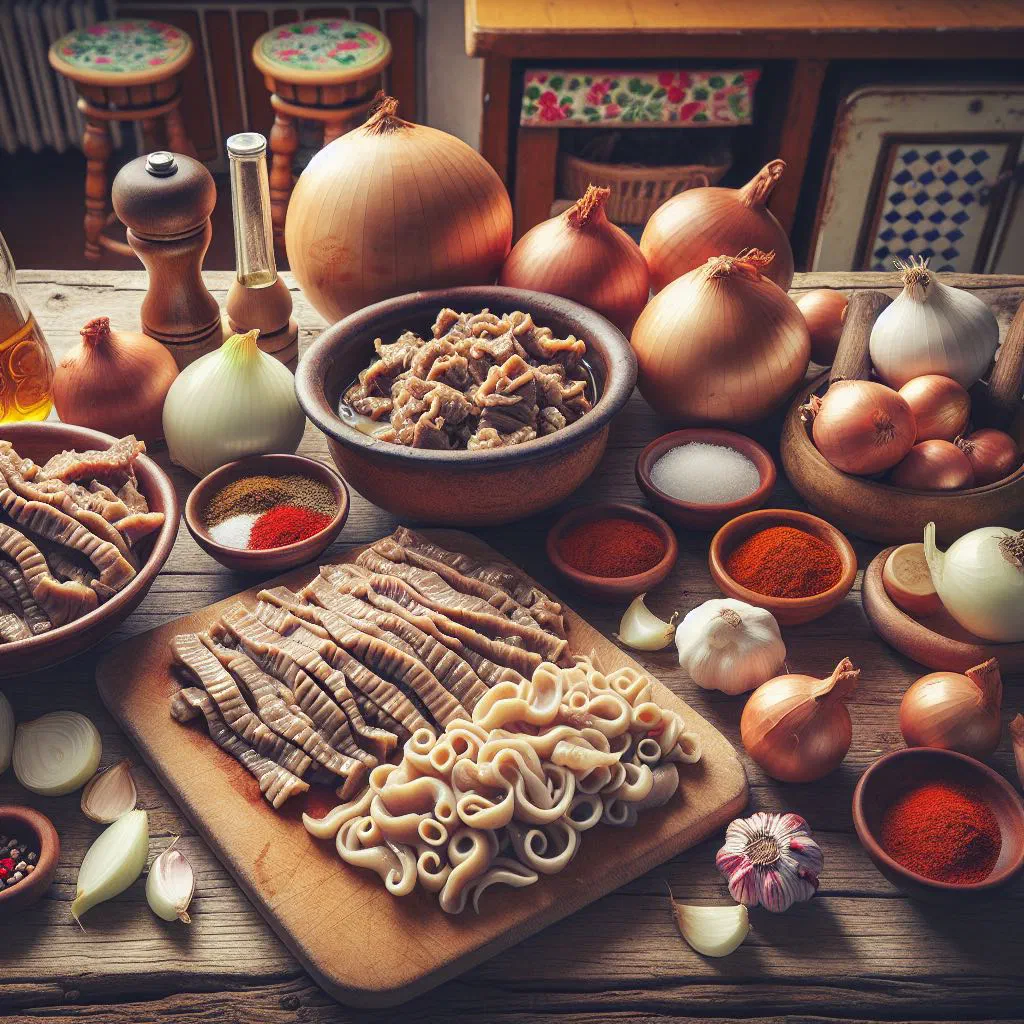
Few dishes capture the earthy, unhurried soul of Hungarian cooking quite like Pacalpörkölt. This deeply savoury tripe stew simmers for hours until the meat turns silky, soaking up a sauce built on sweet Hungarian paprika, sautéed onions and a whisper of caraway. It is the sort of food that belongs to cool autumn evenings and long tables of friends, rustic, warming and utterly honest. Bring a little Hungarian atmosphere to your own kitchen.
About Pacalpörkölt
Pacalpörkölt is one of the great classics of the Hungarian table, admired for its bold, hearty flavours. It is a traditional braised stew made with tripe, distinguished above all by the generous hand with which paprika and spices are used. That combination makes the dish delicious and a story in itself, a taste of Hungarian culture and tradition. Whether on a chilly autumn evening or at a convivial gathering, Pacalpörkölt brings a piece of Hungary to your table.
Ingredients (serves 1–2)
- 500 g tripe
- 2 large onions
- 2 tablespoons paprika (a mix of sweet and hot)
- 3 cloves of garlic
- 1 teaspoon caraway seeds
- 2–3 fresh peppers (green or red)
- Salt and pepper, to taste
- 2 tablespoons vegetable oil
- Water or stock, as needed
Shopping for the ingredients
When shopping for Pacalpörkölt, the quality of the tripe matters more than anything else. Fresh tripe is the foundation of a good stew, so buy it from a local butcher or at a market rather than reaching for pre-packed alternatives. Look for crisp vegetables too, onions and peppers give the dish much of its character. Wherever possible, use genuine Hungarian paprika, which is what gives the sauce its authentic depth and colour.
Preparing the dish
Good preparation decides the success of Pacalpörkölt. Begin by cleaning the tripe thoroughly and cutting it into small, even pieces. While you work, dice the onions and peppers so they are ready to go straight into the pan. Having everything laid out in advance keeps the cooking process calm and unhurried, and it helps all the flavours come together properly.
Step-by-step instructions
- Heat the vegetable oil in a large pot and sauté the diced onions until translucent.
- Add the tripe and fry, stirring, until it takes on a light colour.
- Stir in the paprika and caraway and toast briefly to release the aromas.
- Add the chopped garlic and peppers and mix everything well.
- Pour in water or stock until everything is comfortably covered, then bring to the boil.
- Reduce the heat and braise gently for at least 1½ to 2 hours, until the tripe is tender.
- Season with salt and pepper and add further spices to taste.
Gluten-free / lactose-free version
Pacalpörkölt is naturally gluten-free and lactose-free, since none of the main ingredients contain wheat products or dairy. Do check the stock you use, however, as shop-bought varieties sometimes include gluten-containing thickeners. A quick look at the labels on your spice blends is also worthwhile. With those small precautions, the dish is entirely suitable for anyone with an intolerance.
Tips for vegans and vegetarians
Vegans and vegetarians can create something remarkably similar with a few simple swaps. In place of tripe, plant-based alternatives such as young jackfruit or a well-chosen mix of vegetables give a comparable texture. Smoked paprika adds depth where the meat would otherwise carry it. Replace the stock with a good vegetable stock and consider adding carrots or celery for extra body, much as you would in a vegetable-led Lecsó.
More tips and tricks
A few small things lift Pacalpörkölt from good to memorable. Fresh herbs intensify the aroma, and a bay leaf or a sprig of thyme adds a welcome extra note. A longer cooking time is always rewarded, as it lets the flavours melt properly into one another. If you like heat, chilli or additional spices can be stirred in towards the end to sharpen the dish to your liking.
Adapting the recipe to your taste
Adapting Pacalpörkölt to personal preference is very much part of the tradition. The choice of peppers alone changes the character of the stew considerably, and extra vegetables can be added without upsetting the balance. Those who prefer a gentler dish can simply cut back on the hot paprika. Creativity is the key here, the recipe is a framework rather than a rulebook, much like the classic Pörkölt it descends from.
Ingredient substitutions
If certain ingredients are hard to find, there are plenty of alternatives. Tofu or tempeh can stand in for the tripe as a plant-based source of protein, giving a lighter but still satisfying result. The caraway can be replaced with cumin or even a mild curry powder for a different direction altogether. Feel free to experiment until you land on the combination that suits you best.
Drink pairing ideas
A robust dish like Pacalpörkölt calls for a drink that can hold its own. A Hungarian red wine is an excellent choice, its structure complementing the spiced, savoury sauce beautifully. Fruity juices or a homemade lemonade work well as alternatives and cut nicely through the richness. Various teas also make a pleasant alcohol-free option, particularly after the meal.
Serving and presentation ideas
Presentation adds a great deal to the enjoyment of Pacalpörkölt. Serve it in a rustic bowl and garnish with fresh herbs such as parsley or dill. A few slices of good bread on the table invite everyone to mop up the sauce and turn the meal into something companionable, a Langos makes a fine, if indulgent, alternative. Setting the table thoughtfully completes the inviting atmosphere.
A bit of history
Pacalpörkölt has a long history in Hungarian cuisine and reflects the country’s remarkable culinary variety. It was traditionally made in rural areas, cooked in large pots over an open fire much like a communal Goulash. The use of tripe was no accident: it came from the practical need to make use of every part of the animal. In that sense the dish became a symbol of thrifty, sustainable cooking and of a close connection to the land, a thread that runs through much of Hungarian cuisine.
More recipe ideas
Summary: Pacalpörkölt
In the end, Pacalpörkölt is far more than a good dinner. It is a tribute to Hungarian culture and tradition. With just a handful of well-chosen ingredients you can conjure up a hearty, deeply spiced meal that will impress any guest. The possibilities are broad and endlessly adaptable. Set off on a journey through Hungarian cooking and enjoy this taste of home.