National Dish Hungary: Pörkölt (Recipe)
In this article
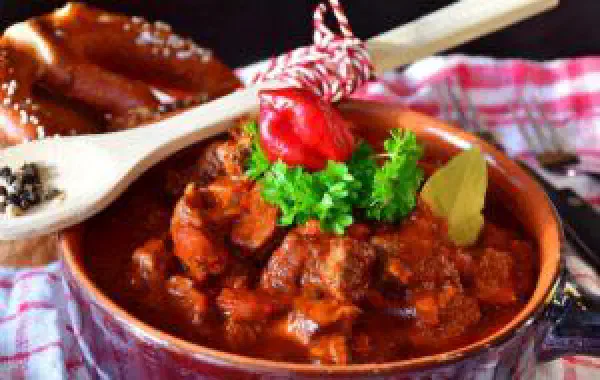
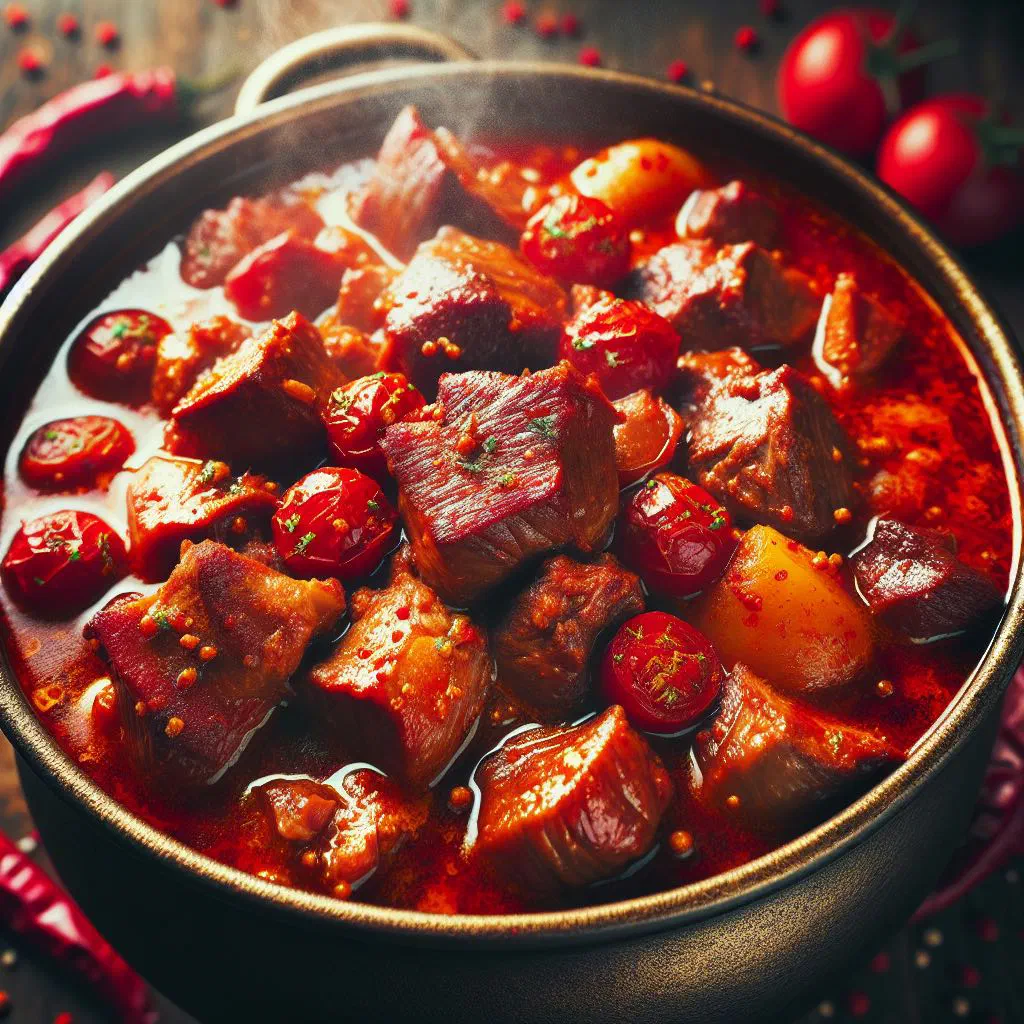
Meet Pörkölt, the deeply savoury braise that sits at the very heart of Hungarian home cooking. Tender chunks of meat simmer slowly in a glossy, paprika-rich sauce until the whole pot smells of warm spice and sweet onions. It is often confused with goulash, yet Pörkölt has a character all of its own: thicker, more concentrated and unapologetically hearty. Every spoonful carries a piece of Hungarian tradition to your table.
About Pörkölt
Pörkölt is a classic Hungarian braise and one of the cornerstones of the country’s cuisine. With its rich, well-spiced sauce and meltingly tender pieces of meat, it is a close relative of the better-known Gulasch, but where goulash leans towards a soup, Pörkölt stays thick and intense, with far less liquid and a far deeper concentration of flavour. The magic comes from a generous quantity of onions, cooked down until sweet, and from sweet Hungarian paprika stirred in off the heat. Discover this wonderful dish and learn how to make it at home.
Ingredients (serves 1–2)
- 250g beef stewing steak or pork
- 1 large onion
- 1 garlic clove
- 1 red pepper
- 2 tablespoons sunflower oil
- 2 teaspoons sweet paprika powder
- 1 teaspoon caraway seeds
- 1 tomato or 2 tablespoons tomato purée
- 1 bay leaf
- 300ml beef stock or water
- Salt and pepper to taste
Shopping for the ingredients
Most of the ingredients for Pörkölt are easy to find in an ordinary supermarket. When buying the meat, look for good quality and freshness, well-marbled stewing beef rewards you with a far more tender result after long, slow cooking. For the authentic aroma it is well worth seeking out genuine Hungarian paprika powder, which is sweeter and more fragrant than most standard versions; a Central European deli or an online supplier will have it.
Preparing the dish
Before you start cooking, get everything measured out and prepared. Cut the meat into bite-sized pieces, chop the onion finely and slice the pepper into strips. Crush or finely chop the garlic. Having your mise en place ready matters here, because the paprika goes into the hot pan for only a few seconds, a well-organised worktop keeps the whole process calm and smooth.
Step-by-step instructions
- Heat the oil in a large casserole or heavy-bottomed pot.
- Sauté the finely chopped onion over medium heat until translucent and soft.
- Add the garlic and pepper strips and fry briefly alongside.
- Sprinkle in the paprika powder and caraway, toast for just a moment, then add the meat straight away.
- Brown the meat over high heat until it has colour on all sides.
- Stir in the tomato purée or fresh tomato along with the bay leaf.
- Deglaze with the stock and stir well. Bring to the boil, then cover and braise over low heat for about 1–1.5 hours, until the meat is tender.
- Season with salt and pepper and serve as you like.
Gluten-free / lactose-free version
Pörkölt is naturally gluten-free and lactose-free as long as you use a stock without hidden wheat-based thickeners, always check the label on shop-bought stock cubes. Nothing in the recipe relies on flour or dairy, since the sauce thickens purely through the onions cooking down. If you like a spoonful of soured cream on top, a plant-based version works just as well, and gluten-free bread or potatoes make a safe side.
Tips for vegans and vegetarians
For a vegan or vegetarian version, swap the meat for mushrooms, tofu or seitan. The method stays much the same, but the cooking time shortens considerably, mushrooms need only 20 to 30 minutes to take on the sauce. Use a good vegetable stock in place of beef stock and be generous with the paprika and onions, which carry most of the flavour anyway. Hearty king oyster mushrooms give a particularly satisfying, meaty bite.
More tips and tricks
To give the dish an extra dimension, add a splash of wine or a little more caraway. Root vegetables such as carrots or parsnips also go beautifully with Pörkölt. The single most important trick is to take the pan off the heat before stirring in the paprika: burnt paprika turns bitter in seconds and will spoil the whole pot. Patience helps too, a longer, gentler braise always yields a silkier sauce.
Adapting the recipe to your taste
Pörkölt lends itself to endless variation. Do you like it hotter? Add a pinch of cayenne pepper or fresh chilli. For a milder result, simply reduce the paprika powder. Serve it over noodles and you effectively have Pörkölt mit Nockerln; made with tripe instead of beef it becomes the traditional Pacalpörkölt. The base method stays the same whichever route you take.
Ingredient substitutions
Stewing beef can be replaced with pork, chicken or even game. Chicken thigh gives a lighter dish that comes close to Paprikás Csirke, while venison brings a deeper, more rustic note. Instead of fresh tomatoes you can use passata, and if you have no fresh pepper to hand, a spoonful of Hungarian pepper paste does the job nicely. Lard in place of sunflower oil is the most traditional choice of all.
Drink pairing ideas
A robust Hungarian dish calls for an equally robust drink. A Hungarian red wine such as Kadarka, or the fuller-bodied Egri Bikavér, stands up well to the paprika. A strong lager is the everyday choice and cuts through the richness beautifully. For something non-alcoholic, sparkling water with lemon or a chilled sour cherry drink offers a refreshing contrast.
Serving and presentation ideas
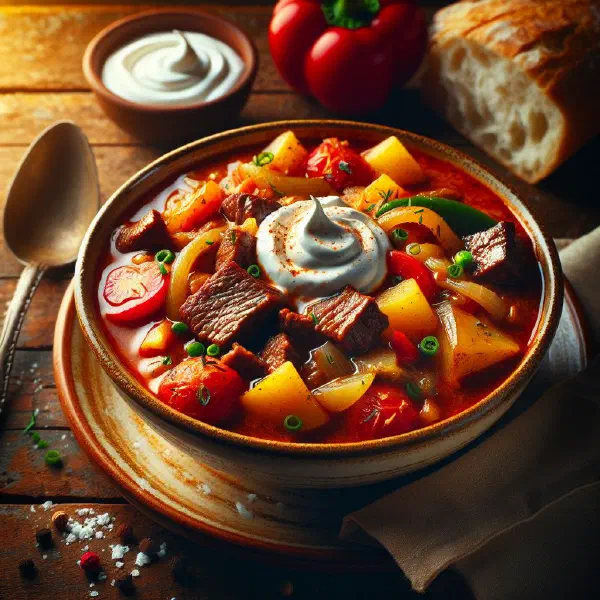
Serve Pörkölt in a rustic bowl, garnished with a spoonful of soured cream and fresh herbs. Crusty bread or Hungarian dumplings (nokedli) are the natural companions, and a sharp cucumber salad on the side lifts the whole plate. Start the meal with a light Krumplileves and finish with something sweet, and you have a properly Hungarian menu.
A bit of history
Pörkölt has a long tradition in Hungary and is deeply rooted in the country’s culture and history. It began as a dish of shepherds and farmers, cooked from simple, readily available ingredients over an open fire in a bogrács, the cauldron still used at outdoor gatherings today. Paprika only arrived in the region in the 16th century, but it quickly became the defining spice of Hungarian cuisine. From those humble beginnings, Pörkölt grew into a national favourite served in homes and restaurants alike.
More recipe ideas
Summary: Pörkölt
Pörkölt is a wonderful Hungarian dish that adapts easily to different tastes and dietary needs. With the right ingredients and a little time, you can enjoy this flavoursome braise at home and bring a piece of Hungary to your table. It asks for nothing more than patience, good paprika and plenty of onions, and repays you with one of Central Europe’s great comfort foods. Give it a try and let the aroma fill your kitchen.