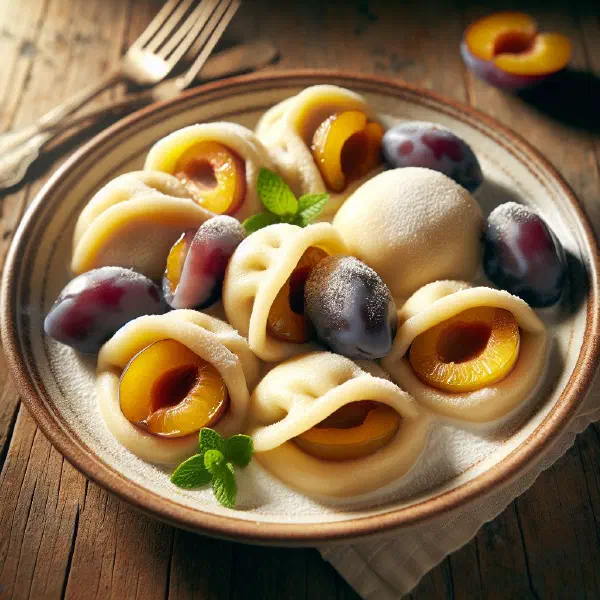
National Dish Hungary: Szilvásgombóc (Recipe)
In this article
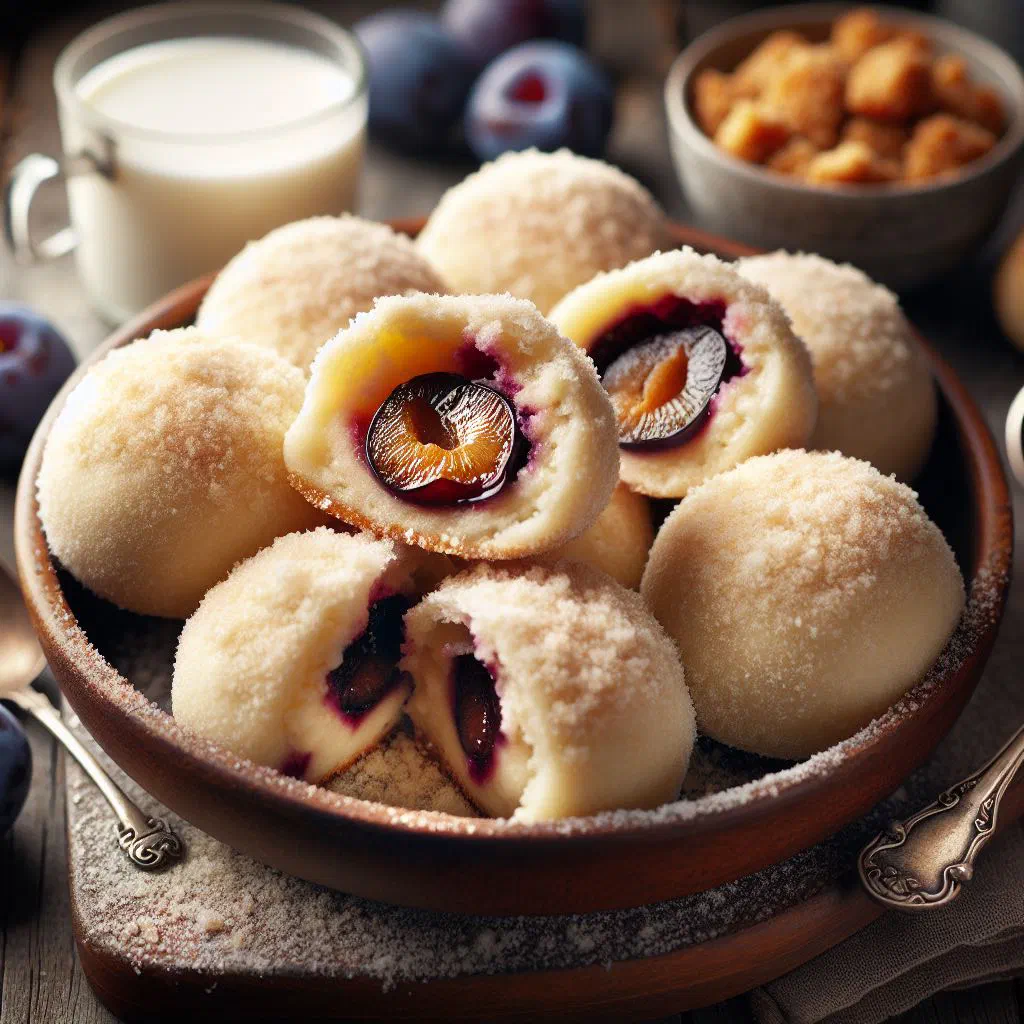
Few Hungarian puddings inspire quite as much affection as Szilvásgombóc, soft potato dough wrapped around a whole ripe plum, simmered until it bobs to the surface and then tumbled through buttery, toasted breadcrumbs. It is homely, generous cooking of the very best kind: a dessert built from store-cupboard staples that still feels like an occasion. Make a batch once and you will understand why Hungarian families have been passing this recipe down for generations.
About Szilvásgombóc
Szilvásgombóc are the Hungarian plum dumplings that have pleased countless sweet-toothed cooks, and they are as much a piece of the country’s cultural identity as they are a pudding. A soft, freshly made potato dough is wrapped around juicy plums, then boiled and finished in golden breadcrumbs. The contrast between the tart fruit at the centre and the rich, buttery coating outside is what makes them so memorable, and they turn up at family celebrations and special occasions across the country.
Ingredients (serves 1–2)
- 200 g potatoes
- 100 g plain flour
- 50 g butter
- 150 g fresh plums
- 2 tsp sugar
- 1 pinch of salt
- Breadcrumbs, for coating
- Icing sugar, for dusting
Shopping for the ingredients
Szilvásgombóc calls for only a handful of basic ingredients, nearly all of which you will find in an ordinary supermarket. Fresh plums are the key to the flavour, so choose fruit that is ripe and juicy but still firm enough to hold its shape during cooking. Everything else, potatoes, flour and butter, is standard kitchen stock. Pick up the lot in a single shop and you can start cooking straight away, which is by far the nicest way to approach this recipe.
Preparing the dish
Before you begin, make sure everything is laid out and ready. Wash the plums thoroughly to remove any dirt, then peel the potatoes and boil them until completely soft. Once they have cooled a little, mash or rice them to form the base of the dumpling dough, waxy potatoes worked while still slightly warm give the smoothest result. Stone the plums at this stage too, so nothing holds you up once the dough is made.
Step-by-step instructions
- Tip the boiled, mashed potatoes into a bowl and combine with the flour, 25 g of the butter, the sugar and a pinch of salt.
- Knead the dough thoroughly until smooth, then divide it into small, even portions.
- Flatten each portion in your palm and set a stoned plum in the middle.
- Wrap the dough around the plum and roll it into a neat, round dumpling.
- Simmer the dumplings in gently boiling salted water for about 10–15 minutes, until they rise to the surface.
- Melt the remaining butter in a frying pan and toast the breadcrumbs in it until golden.
- Lift the cooked dumplings out of the water and roll them in the buttered breadcrumb mixture.
- Finish with a dusting of icing sugar and serve.
Gluten-free / lactose-free version
A gluten-free version of Szilvásgombóc is straightforward: swap the wheat flour for a good gluten-free blend, which most food shops now stock, and use gluten-free breadcrumbs for the coating. For a lactose-free version, reach for lactose-free butter or a plain margarine. These small adjustments open the dish up to anyone with particular dietary needs while leaving the character of the traditional Hungarian dumplings entirely intact.
Tips for vegans and vegetarians
The recipe is already vegetarian, and making it fully vegan takes very little effort. Replace the butter with a plant-based alternative and enrich the coating with a spoonful of plant yoghurt or cream if you like. Should you want extra binding in the dough, apple purée or soaked chia seeds do the job neatly in place of egg. None of this dulls the flavour of the plums. It simply brings a much-loved Hungarian tradition into a more modern kitchen.
More tips and tricks
A few small habits make all the difference. Let the dough rest in the fridge for half an hour before shaping and it will be far easier to handle. Stone the plums in advance so the process runs smoothly, and work quickly once the dough is made, as potato dough softens as it sits. A pinch of cinnamon in the dough or stirred through the breadcrumbs adds a lovely warmth that guests always notice. As with the pastry work in a good Rétes, the quality of your ingredients decides the outcome, fresh, local fruit is worth seeking out.
Adapting the recipe to your taste
Szilvásgombóc adapts happily to whatever you fancy. Try apricots or apples in place of plums for a different fruit note, or fill the dumplings with curd cheese or chopped nuts if you prefer something less sweet, much in the spirit of Túrógombóc. A square of chocolate or a spoonful of caramel tucked in beside the fruit turns the whole thing into something rather indulgent. Be playful with it; the dough is forgiving and rewards experiment.
Ingredient substitutions
If the classic ingredients are not to hand, several alternatives work well. Pumpkin or sweet potato can stand in for ordinary potatoes and lend the dough an interesting sweetness. Almond or coconut flour makes a decent gluten-free base. For the coating, ground nuts or toasted oats replace the breadcrumbs and give a more protein-rich, nuttier finish, a trick borrowed from puddings such as Mákos Guba. Swaps like these let you build your own version of the dish.
Drink pairing ideas
Plenty of drinks suit these dumplings. A chilled Hungarian white wine, especially something on the sweeter side, sits beautifully against the tart plums. A cup of fragrant herbal tea offers a gentler counterpoint to the butter and sugar. For an alcohol-free option, a rosemary lemonade brings a bright, fresh lift that cuts nicely through the richness. It is well worth trying a few combinations to find the one you like best.
Serving and presentation ideas
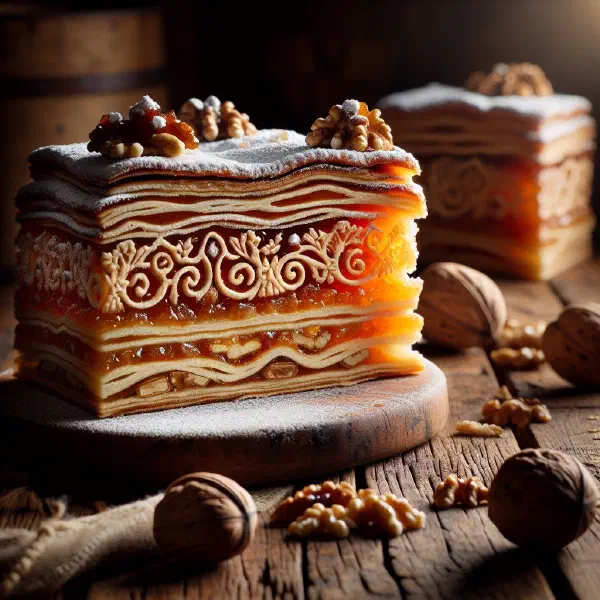
Presentation matters more than you might expect with a rustic pudding like this. Serve the dumplings on an attractive plate and garnish with fresh plums or a few mint leaves. The dusting of icing sugar is not only decorative. It lifts the sweetness too. A jug of homemade vanilla sauce or a scoop of vanilla ice cream alongside turns a simple bowl of dumplings into a proper dessert course, much like a plated slice of Somlói Galuska.
A bit of history
Szilvásgombóc has a long history in Hungarian cooking and is loved in many regions of the country. The dumplings almost certainly began as rural, thrifty food, born from the need to use up leftover potatoes and a glut of orchard fruit. Over time they grew into a celebrated sweet dish, served at festivals and family gatherings alike. They remain one of the clearest expressions of Hungarian cuisine, modest ingredients treated with care and turned into something people remember.
More recipe ideas
Summary: Szilvásgombóc
Szilvásgombóc are far more than plum dumplings; they are a piece of Hungarian culture served warm in a bowl. Every bite releases the juice of ripe plums against soft dough and buttery crumbs, and carries something of Hungary’s famous hospitality with it. They will bring real pleasure to you and everyone at your table. Give them a go and let Hungarian cooking work its charm.