National Dish Iceland: Blóðmör með Haframjöli (Recipe)
In this article
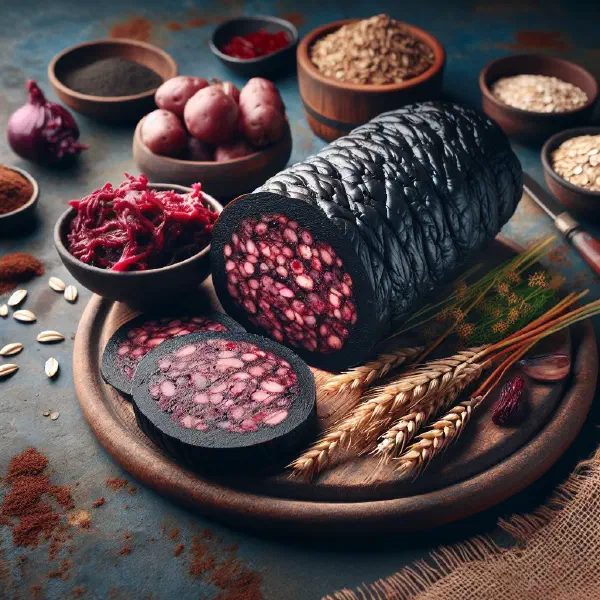
Meet Blóðmör með Haframjöli, the Icelandic blood pudding that has kept island households fed through long, dark winters. Rich, savoury and gently spiced, it is bound with fine oatmeal for a texture that sits somewhere between a sausage and a hearty loaf. This is frugal cooking at its most honest. Nothing wasted, everything flavourful. Slice it thick, warm it through, and you have a dish that tastes of centuries of Icelandic kitchen craft.
About Blóðmör með Haframjöli
Blóðmör is a traditional Icelandic blood pudding that occupies an important place in the country’s culinary repertoire. The dish is deeply nourishing and a symbol of Iceland’s strong food traditions. It is most often made with haframjöl, a fine oatmeal, and delivers a distinctive taste experience that has been handed down through generations. Making blóðmör calls for both patience and genuine care, because the quality of the ingredients decides the quality of the result.
Ingredients (serves 1–2)
- 500 g pig’s blood
- 250 g pork (lean and cured)
- 100 g fine oatmeal (haframjöl)
- 1 onion, finely chopped
- 2 teaspoons salt
- 1 teaspoon pepper
- 2 teaspoons seasoned thyme
- A splash of water or stock
Shopping for the ingredients
To make an authentic blóðmör you need fresh ingredients, ideally sourced locally. The quality of the pig’s blood and the pork matters most of all, since they form the flavour base of the whole dish. Most large supermarkets or specialist butchers will be able to supply what you need. If you happen to be in Iceland, local markets offer the freshest produce and will help you keep the original flavours intact.
Preparing the dish
Preparing blóðmör involves a few steps that are decisive for both texture and taste. First, cut the cured pork into small pieces and chop the onion finely. Then combine the blood with the oatmeal, the seasonings and a little water until you have a smooth mixture. This groundwork matters, because it ensures the pudding holds together properly during cooking and that the aromas are evenly distributed throughout.
Step-by-step instructions
- In a large bowl, mix the pig’s blood thoroughly with the seasonings.
- Add the diced pork and the chopped onion and stir well.
- Stir in the oatmeal a little at a time until the mixture is completely homogeneous.
- Transfer the mixture into a suitable mould and seal it.
- Bring a large pan of water to the boil in advance and lower the blóðmör into it.
- Cook over medium heat for 1–2 hours, depending on the consistency you want.
- Allow it to cool after cooking before turning it out of the mould.
- Slice and serve warm.
Gluten-free / lactose-free version
Blóðmör is easily made gluten-free and lactose-free simply by swapping the oatmeal for a certified gluten-free oat flour. It is important to check that the oatmeal is declared gluten-free, as ordinary oats are often cross-contaminated during milling. These adjustments open the dish up to a much wider audience without compromising its authentic flavour, keeping it accessible and delicious for anyone who has to watch what they eat.
Tips for vegans and vegetarians
Although blóðmör is traditionally built on meat and blood, there are creative ways to put together a vegan or vegetarian version. In place of pig’s blood, plant-based binders such as seitan or tofu can be used to achieve a comparable texture. By experimenting with different spices and herbs you can mimic the savoury depth of the original and end up with a tasty, nourishing dish for a plant-based diet. Alternatives like these make it possible to enjoy Icelandic cuisine without any animal products at all.
More tips and tricks
When making blóðmör it pays to consult old family recipes, which often hide particular spice combinations or techniques that lift the flavour. A good kitchen scale helps you hit the ideal ratio of ingredients, crucial here, as it can be the difference between a triumph and a disappointment. Another useful tip is to make the dish the day before, since it frequently tastes even better after chilling. Above all, do not overcook the blóðmör, or the texture will turn dry.
Adapting the recipe to your taste
It is easy to bend blóðmör towards your own preferences. Experiment with different cuts of meat, or add extras such as cheese or garlic to create new flavours. For a spicier result, reach for chilli or extra pepper to give the dish more depth. Variations like these keep the recipe interesting and appealing across different palates without losing the underlying character of the dish, the same spirit of improvisation you find in a bowl of Kjötsúpa.
Ingredient substitutions
If you cannot track down certain ingredients, there are usually tasty alternatives to hand. Beef or lamb can stand in for pork, though this will shift the traditional flavour noticeably. Instead of haframjöl you can try other flours, but do keep an eye on the consistency of the mixture. Substitutions like these let you adapt the dish to whatever is available and to your own taste, much as cooks do when preparing Lifrarpylsa or Slátur.
Drink pairing ideas
A number of drinks suit blóðmör and underline its savoury character. A robust red wine or an ice-cold beer complements the flavours beautifully and rounds off the meal. For those looking for something alcohol-free, apple-based drinks or fruit juices bring a refreshing note to the table. Companions like these help keep the whole eating experience harmonious and well balanced.
Serving and presentation ideas
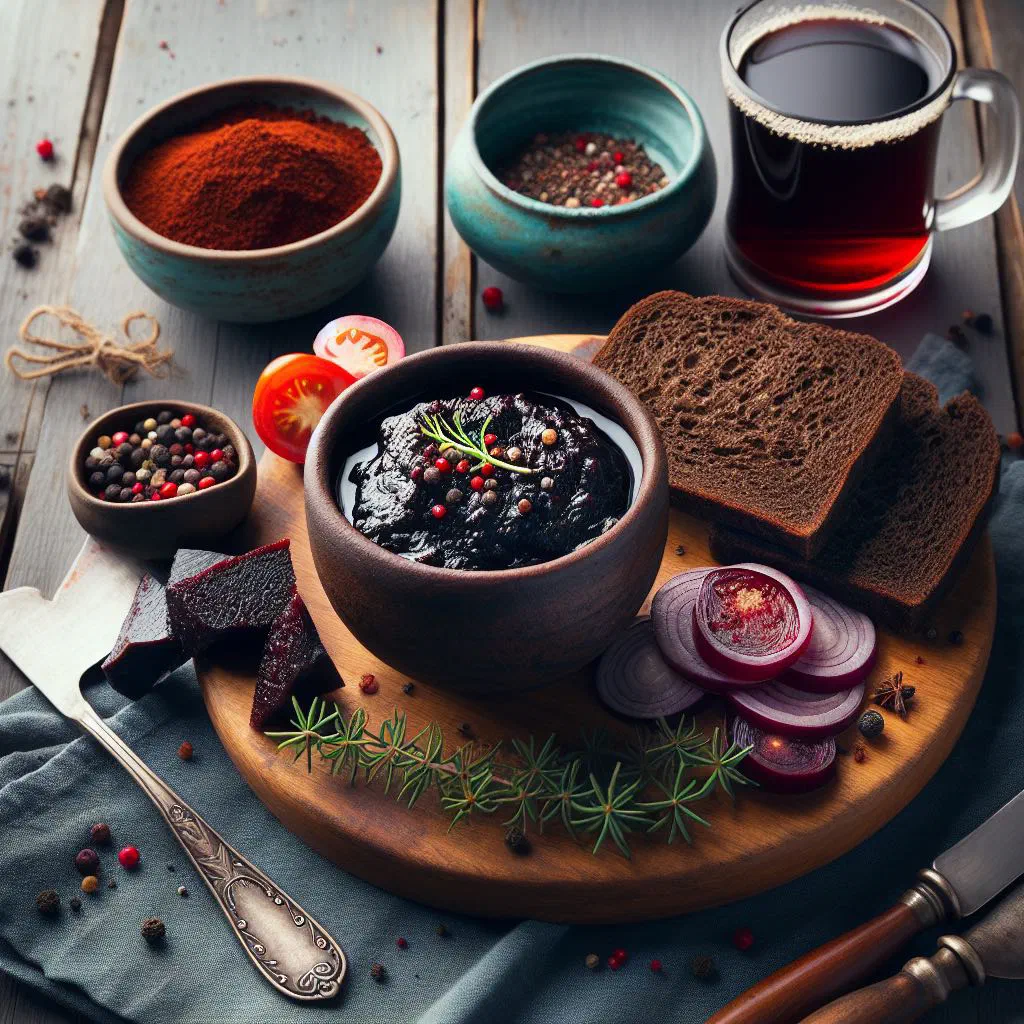
Presentation can improve the blóðmör experience considerably. Serve the dish on a rustic wooden board or an attractively dressed plate to emphasise its traditional character. Fresh herbs or steamed vegetables as a side add colour and boost the nutritional value. It is also a good idea to cut the blóðmör into neat slices and arrange them on a bed of salad or another green side, perhaps with a slice of Rúgbrauð alongside.
A bit of history
The tradition of blóðmör has its roots in Icelandic farming and in survival in a frequently harsh environment. Over the years the dish grew out of the need to use every part of the animal and waste no food at all. In many Icelandic households blóðmör still plays a central role, and countless families keep their own recipes passed down through the generations. These cultural threads make blóðmör more than a dish. It is a piece of Icelandic identity, served proudly at the midwinter Þorrablót feast.
More recipe ideas
Summary: Blóðmör með Haframjöli
Blóðmör is a fascinating dish that embodies the essence of Icelandic cooking and reaches deep into the country’s culture. With its nourishing, savoury composition it offers an authentic taste experience that reflects the traditions of Iceland. Through personal adjustments and creative preparation, blóðmör can pleasure newcomers and traditionalists alike. Enjoy the flavours of Iceland with this singular blood pudding. It is guaranteed to stay in the memory.