National Dish Iceland: Fiskisúpa (Recipe)
In this article
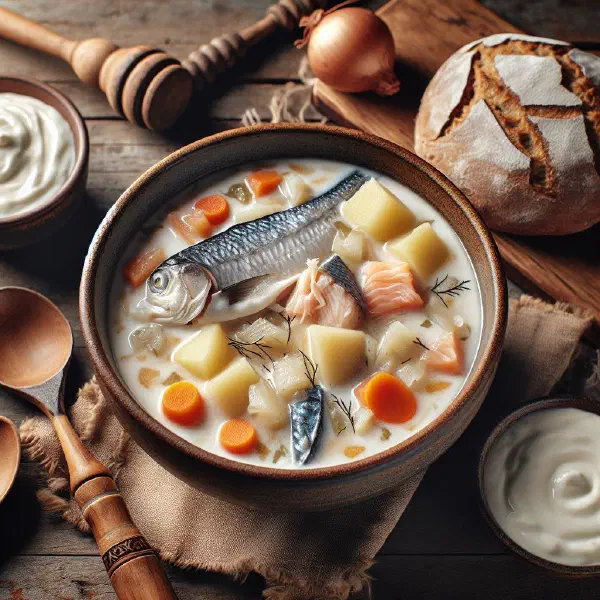
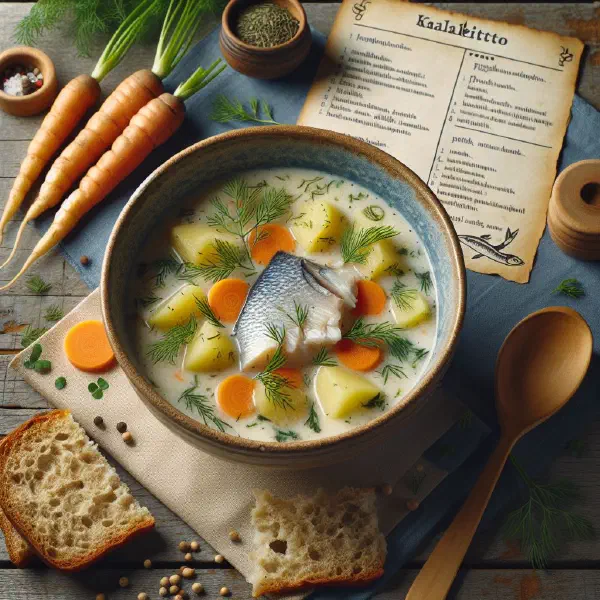
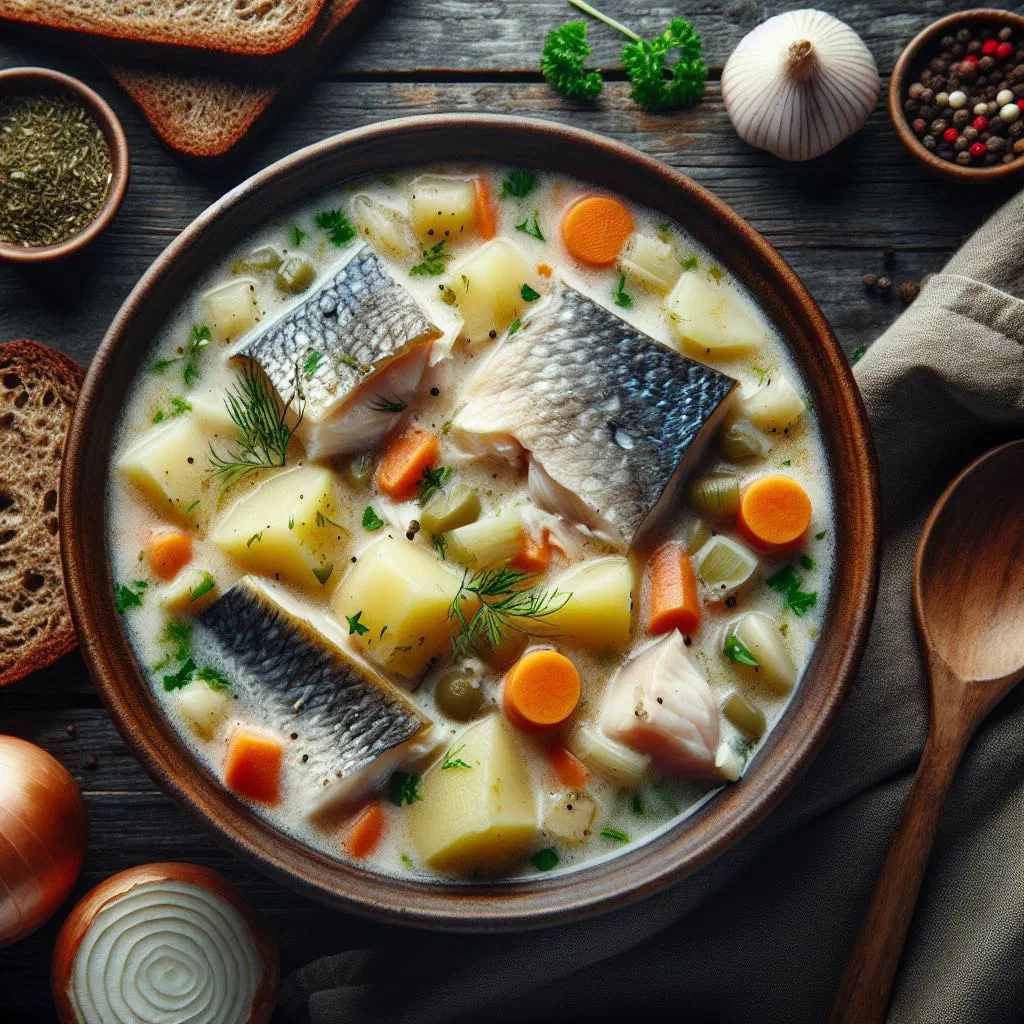
Discover Fiskisúpa, the creamy Icelandic fish soup that turns a cold, blustery day into something to look forward to. Chunks of fresh fish simmer gently with sweet root vegetables and a swirl of cream, finished with a handful of fragrant herbs. It is the kind of bowl that tastes of the North Atlantic itself, simple, nourishing and quietly luxurious. Bring a little of Iceland’s coastline to your own kitchen table.
About Fiskisúpa
Fiskisúpa is a traditional Icelandic fish soup and the perfect answer to a cold day. This hearty, creamy delicacy brings together fresh fish, aromatic vegetables and a well-judged handful of seasonings. Its origins lie deep in Icelandic kitchen culture, shaped by the island’s extraordinary landscape and the freshness of what the sea gives up each morning. Every spoonful carries the flavours of the North Atlantic and puts a piece of Nordic tradition on your table.
Ingredients (serves 1–2)
- 200 g fresh fish (salmon or cod, for example)
- 1 onion, diced
- 2 carrots, sliced
- 1 stick of celery, diced
- 400 ml fish or vegetable stock
- 200 ml cream
- 2 tablespoons olive oil
- Fresh herbs (dill or parsley)
- Salt and pepper to taste
Shopping for the ingredients
The ingredients for a good fiskisúpa are available in most supermarkets and at any decent fishmonger. Look for fresh fish that comes from a sustainable fishery. It makes a real difference to both flavour and texture. Vegetables such as carrots and celery should be firm and crisp so they bring out the best in the broth. Growing a few herbs on the windowsill is worth the small effort, as freshly cut dill gives the soup a lift that dried herbs cannot match.
Preparing the dish
Before you start cooking, wash and prepare everything thoroughly. Cut the vegetables into evenly sized pieces so they cook at the same rate, and slice the fish into bite-sized chunks. Good preparation means you can work calmly at the hob without anything catching or overcooking, an approach that serves just as well for a hearty Kjötsúpa.
Step-by-step instructions
- Heat the olive oil in a large pan and sweat the onions until translucent.
- Add the carrots and celery and continue frying the vegetables for around 5 minutes.
- Pour in the stock and bring the mixture to the boil.
- Reduce the heat and let the soup simmer for 15 minutes.
- Add the fish and cook for a further 5 minutes, until just done.
- Finally stir through the cream and season with fresh herbs, salt and pepper.
Gluten-free / lactose-free version
Making fiskisúpa gluten-free or lactose-free takes only a couple of small changes. Use a lactose-free cream, or replace the cream altogether with unsweetened coconut milk for a subtly different but equally silky result. For the base, choose a certified gluten-free stock, as some ready-made varieties contain wheat. These simple adjustments open the soup up to every guest without costing it any flavour.
Tips for vegans and vegetarians
For a vegan or vegetarian take on fiskisúpa, replace the fish with plant proteins such as tofu or young jackfruit. A generous mix of vegetables, courgette or cauliflower work particularly well, supplies the texture the fish would otherwise give. Build the base from a good vegetable stock, and swap the dairy for a blend of cashew cream and water, which delivers a very similar richness.
More tips and tricks
To deepen the flavours of fiskisúpa, add a pinch of saffron or a little turmeric. Both bring warmth and a beautiful golden colour to the bowl. Take care not to overcook the soup once the fish goes in, as it should stay tender and flaky rather than falling apart. Experiment with different herbs until you land on a combination that feels like your own.
Adapting the recipe to your taste
The recipe is easy to bend towards your own preferences. If you like a bit of heat, a little chilli stirred in near the end gives the soup a gentle kick. You can also vary the fish itself or lean on whatever vegetables are in season, which keeps the dish fresh and interesting throughout the year, much as cooks do with the classic Plokkfiskur.
Ingredient substitutions
The ingredients can be varied freely according to what is available. In place of fresh fish, seafood such as prawns or mussels makes a lovely alternative, as in a rich Langoustine Soup. A home-made vegetable stock deepens the flavour considerably compared with a cube, and a plant-based cream alternative gives much the same consistency as dairy.
Drink pairing ideas
The right drink makes a real difference to fiskisúpa. A crisp white wine, a Sauvignon Blanc or a fruity Riesling, suits this fish soup beautifully. For an alcohol-free option, try mint and lime water or a refreshing ginger ale. Both keep the palate lively and balance the richness of the cream.
Serving and presentation ideas
An attractive presentation lifts the whole meal. Serve the soup in deep bowls and garnish with fresh herbs and a squeeze of lemon juice for brightness and colour. A piece of good bread on the side rounds things off nicely, and a slice of dense Rúgbrauð is the most Icelandic choice of all. Individual portions served in elegant glasses look striking at a dinner party.
A bit of history
Icelanders have depended on the sea and its fisheries for centuries, and the tradition of fish soups reaches far back into that history. Fiskisúpa gradually became a cornerstone of the island’s cooking, valued as much for its thrift as its comfort. The soup reflects a genuine affection for the landscape and for the ingredients it yields, and its combination of aromatic herbs and fresh fish keeps it firmly on modern menus across Icelandic cuisine.
More recipe ideas
Summary: Fiskisúpa
Fiskisúpa is a delicious, nourishing Icelandic fish soup made for cold days. With its creamy body and the clean, rich flavour of fresh fish and vegetables, it is a treat for anyone who loves seafood. Fiskisúpa brings the flavours of Iceland straight to your table. Let this wonderful soup inspire you and discover Nordic cooking from a new angle.