National Dish Iceland: Hvalbítur (Recipe)

In this article
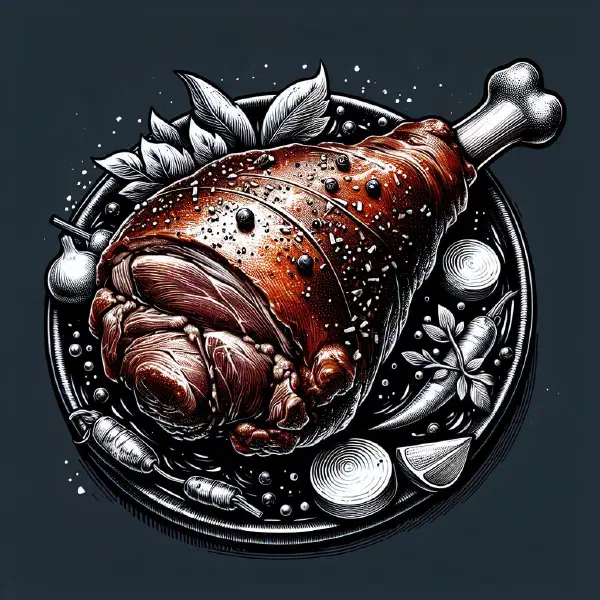
Few dishes capture Iceland’s relationship with the sea quite like Hvalbítur. Traditionally built around dark, tender whale meat, it is a straightforward pan-cooked plate that leans on good seasoning, sweet caramelised onion and a bright herb sauce rather than elaborate technique. It delivers the clean, elemental flavours of Arctic cooking with very little fuss.
About Hvalbítur
The traditional Icelandic dish Hvalbítur offers a remarkable eating experience that embodies the culinary variety of Iceland. The name means roughly piece of whale, and the dish is made from tender whale meat, usually served alongside fresh, regional ingredients. It reflects the long history of the Icelandic kitchen and the close bond between Icelanders and the sea and landscape around them. Let the distinctive aromas and simple method win you over.
Ingredients (serves 1–2)
- 300 g whale meat
- 1 tablespoon olive oil
- 1 teaspoon salt
- 1/2 teaspoon pepper
- 2 garlic cloves, chopped
- 1 onion, diced
- Fresh vegetables (carrots and broccoli, for example)
- Traditional Icelandic sauce (herb or mustard sauce)
Shopping for the ingredients
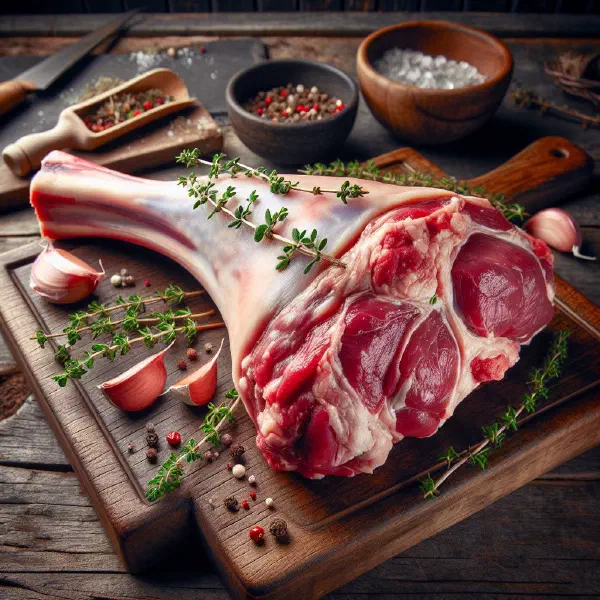
When shopping for Hvalbítur, the most important thing is choosing fresh, high-quality meat. In Iceland it is often sold fresh at the market; in other countries it can be considerably harder to source, in which case a firm dark fish such as the one used for Saltfiskur makes a sensible stand-in. Make sure the meat has been well chilled and has a good, even colour. Alongside the main ingredient, pick out seasonal vegetables and a suitable sauce, organic where possible, to round the plate out.
Preparing the dish
Preparing Hvalbítur is simple and takes only a few steps. First cut the meat into evenly sized pieces so that everything cooks through at the same rate. Spices and herbs can be added to taste to deepen the flavour. Do not forget to prepare the vegetables so they stay fresh and crisp; depending on your preference they can be steamed or lightly pan-fried.
Step-by-step instructions
- Cut the meat into pieces and marinate with olive oil, salt and pepper.
- Fry the chopped garlic and onion in a pan until golden brown.
- Add the marinated meat and cook over a medium heat until cooked right through.
- Tip in the prepared vegetables and toss briefly until tender.
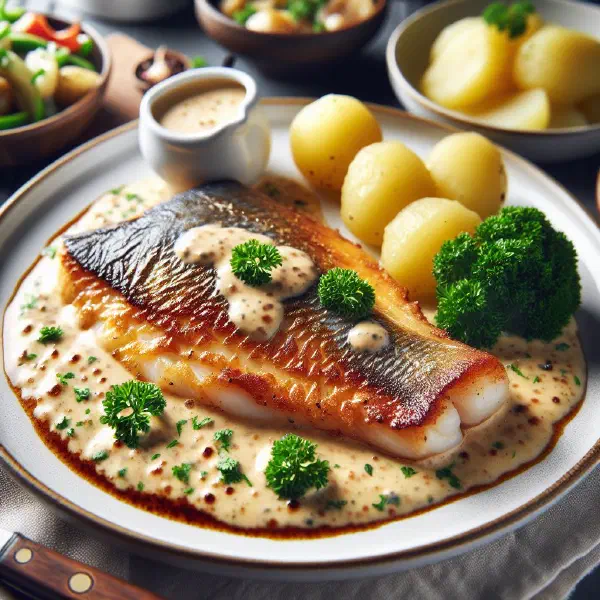
- Arrange on a plate and serve with the traditional sauce.
Gluten-free / lactose-free version
Hvalbítur is easy to make gluten-free and lactose-free, since the main ingredients are naturally free of both. Just take care that the sauce contains nothing gluten-based, such as conventional soy sauce. Use a certified gluten-free option instead, or make your own herb sauce from scratch so that no extra allergens sneak in. That way anyone with an intolerance can enjoy the dish too.
Tips for vegans and vegetarians
For vegans and vegetarians it makes sense to reinterpret the idea behind Hvalbítur rather than copy it. In place of the meat, a combination of plant proteins such as tofu or seitan can be marinated and pan-fried in exactly the same way. Prepare the sides and sauces on a plant basis as well, and you have a complete meat-free plate. The character of Hvalbítur survives intact, without any animal products.
More tips and tricks
To get the most out of your Hvalbítur, a few small habits make a real difference. Use fresh, high-quality ingredients so the distinctive flavour of the main component comes through clearly. Experiment with different spices and herbs to tune the dish to your own palate. The choice of side dishes matters too, seasonal vegetables lend the plate extra freshness, much as they do in a bowl of Kjoetsupa.
Adapting the recipe to your taste
The recipe for Hvalbítur adapts easily to different preferences. If you like more heat, various chilli or paprika powders add another dimension. The accompaniments can be varied freely, so you might use your favourite vegetables or a different sauce altogether. Give your creativity free rein and shape the recipe around what your guests enjoy.
Ingredient substitutions
If some of the ingredients are out of reach, there are plenty of alternatives for making Hvalbítur. Instead of whale meat you can use other firm fish or plant-based protein sources to achieve a similar texture, the same logic that makes Fiskibollur so adaptable. The olive oil can be swapped for another oil with a high smoke point, and fresh herbs can change with the season. The flexible design of this dish makes it easy to adjust to local tastes.
Drink pairing ideas
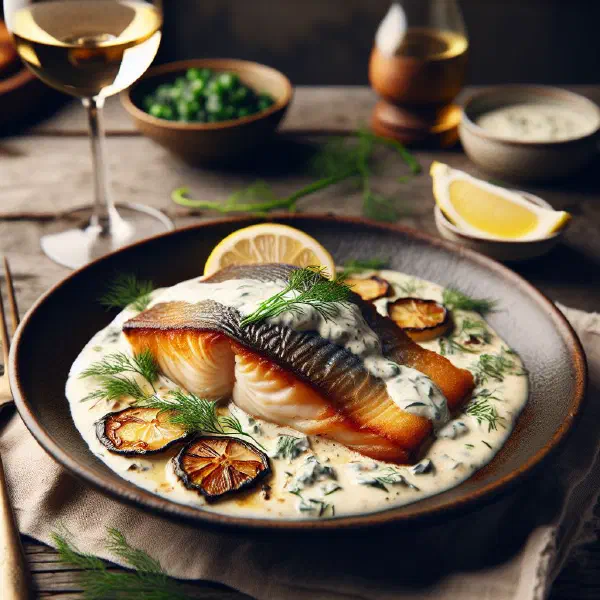
Certain drinks suit a dish like Hvalbítur particularly well. A lightly chilled, fruity beer or a dry white wine harmonises beautifully with the flavour of the meat. A clean, fruity cider is another refreshing choice that supports the umami notes on the plate.
Serving and presentation ideas
Presentation contributes a great deal to the overall experience of Hvalbítur. Serve the dish on a smart plate and use fresh herbs or ribbons of vegetable as a garnish for visual effect. A colourful arrangement of the sides keeps the whole plate looking appetising. Play with different textures and colours to please the eye as well as the palate.
A bit of history
The history of Hvalbítur is closely bound up with Iceland’s seafaring tradition. Whaling has a long past in Icelandic culture, and the dish developed as a way of using the meat sustainably and completely. In recent years interest in traditional dishes has grown again, bringing something of a renaissance to this unusual speciality alongside old standards such as Hardfiskur. Hvalbítur is therefore more than a meal but a piece of Icelandic heritage, and a good introduction to Icelandic cuisine.
More recipe ideas
Summary: Hvalbítur
In short, Hvalbítur is a distinctive and delicious dish that captures the essence of Icelandic culture. With its simple preparation and its openness to adaptation, it suits keen food lovers and occasional cooks alike. Use the tips and tricks above to build your own version and bring a piece of Iceland’s history to the table. Let the flavours of the Arctic kitchen inspire you.