National Dish Iceland: Icelandic Leg of Lamb (Recipe)
In this article
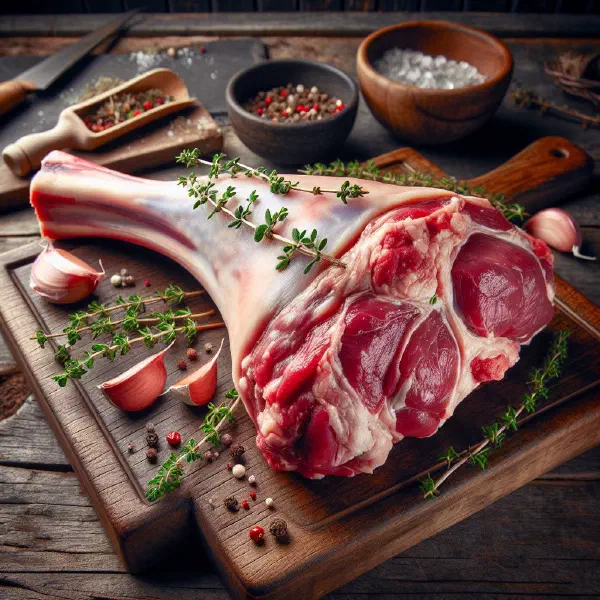
Discover Icelandic Leg of Lamb, the dish that captures the wild, windswept character of Iceland on a single plate. The island’s sheep roam free across untouched highland pastures, and that grazing gives the meat a clean, gently herbal flavour you will not find anywhere else. Slowly braised with thyme, garlic and a splash of stock, it turns meltingly tender and fills the kitchen with an aroma that feels like a welcome. It is a true feast for the senses, and a piece of Iceland brought straight to your own table.
About Icelandic Leg of Lamb
Icelandic Leg of Lamb is a traditional national dish that embodies the tender texture and distinctive aromas of Icelandic lamb. The animals graze on unspoilt pastures, and it is this that gives the meat its unmistakable quality. In cooking the dish, both the fresh ingredients and the culture of Iceland come fully into their own. It is a celebration of simplicity, and it lets you experience a corner of the North Atlantic without leaving your kitchen.
Ingredients (serves 1–2)
- 400 g lamb (leg or shoulder)
- 2 cloves of garlic, finely chopped
- 1 onion, diced
- 1 tablespoon olive oil
- 1 cup vegetable stock
- 2 teaspoons fresh herbs (thyme or rosemary)
- Salt and pepper to taste
Shopping for the ingredients
To make Icelandic leg of lamb properly, it is important to choose high-quality ingredients, above all the lamb itself. Visit a local butcher or look out for organic labelling when you shop, as this is where the best flavour comes from. Fresh herbs and vegetables are easy to find in most supermarkets or at a weekly market. In the colder months and around the holidays, everything you need is particularly widely available.
Preparing the dish
Preparation for Icelandic leg of lamb begins with cutting the meat into cubes, which helps it cook through evenly. Next, prepare the onion and the garlic so their aromas can develop properly during frying. Good groundwork not only makes the cooking process run smoothly, it also lets every flavour show at its best, much the same principle that underpins a hearty Kjoetsupa.
Step-by-step instructions
- Heat the olive oil in a large pan or casserole over a medium heat.
- Add the diced onion and the garlic and fry until softened.
- Add the lamb and brown it on all sides.
- Pour in the vegetable stock and add the herbs, salt and pepper.
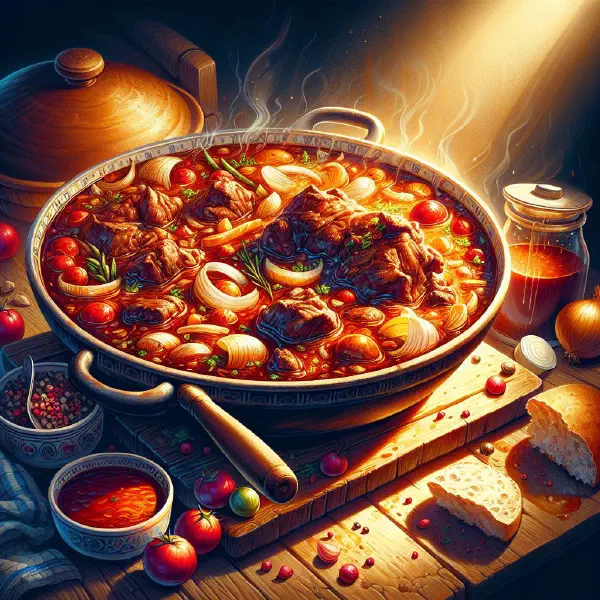
- Cover the pan and let the dish simmer over a low heat for about 1–1.5 hours, until the meat is tender.
Gluten-free / lactose-free version
Icelandic leg of lamb is naturally gluten-free and lactose-free, as none of the core ingredients contain either. Just make sure to use a certified gluten-free stock if you are buying it ready-made rather than making your own. The dish slots easily into any special diet without the flavour suffering in the slightest.
Tips for vegans and vegetarians
For vegans and vegetarians the meat can be replaced with plant-based alternatives such as lentils or chickpeas. These pulses are high in protein and offer a texture not unlike slow-cooked lamb. Swap in a good vegetable stock to keep everything free of animal products, and lean on fresh herbs to build depth of flavour. The result is every bit as warming as the original.
More tips and tricks
For an even more flavourful result, marinate the lamb before browning it, using a simple mixture of oil, garlic and herbs. The dish also improves with time: leave it to rest after cooking and the flavours will continue to deepen. Cool it overnight and enjoy the leftovers the following day, many Icelanders would say that is when it tastes best.
Adapting the recipe to your taste
The joy of Icelandic leg of lamb lies in its versatility. Depending on what you like, you can add different herbs such as dill or parsley, or stir in a pinch of chilli for a little extra heat. Experiment with different vegetables or side dishes to shape the meal around your own preferences. Rustic accompaniments work beautifully, whether that is buttered root vegetables or a slice of Rugbraud.
Ingredient substitutions
If lamb is not to your taste, the recipe also works well with beef or pork. Poultry is another option, though it should be cooked for a shorter time so it stays tender. The stock can be replaced with an aromatic red wine sauce, which lends the dish a more Mediterranean character. Let your creativity lead the way.
Drink pairing ideas
Icelandic leg of lamb pairs beautifully with a crisp white wine or a fresh Icelandic beer. Wine lovers may prefer a medium-bodied red, which stands up well to the richness of the meat. Alcoholic drinks are best enjoyed in moderation so they do not mask the flavours of the food. Water with a slice of lemon or lime makes a refreshing alcohol-free alternative.
Serving and presentation ideas
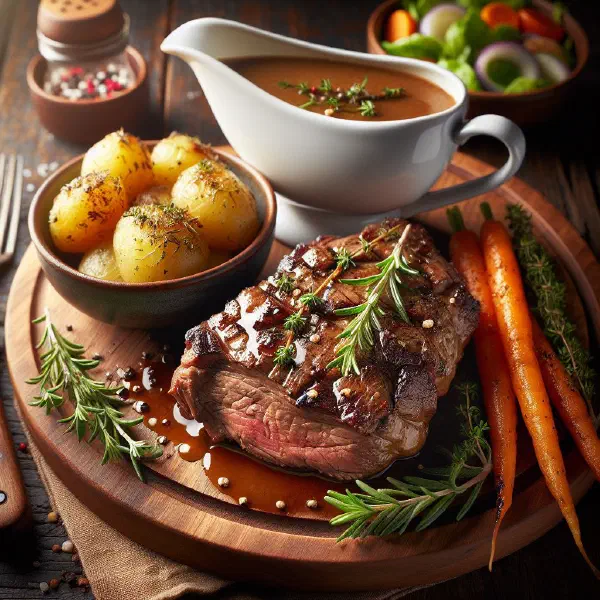
Presentation matters when you want Icelandic leg of lamb to shine. Serve it in a rustic bowl and garnish with fresh herbs and a little lemon zest. Pair it with a colourful side of seasonal vegetables to lift both the look and the taste, or with a creamy Plokkfiskur for a wider spread. A thoughtful arrangement turns dinner into an occasion.
A bit of history
Icelandic leg of lamb is deeply rooted in the island’s culture and has been prepared for centuries. Locals have long relied on fresh lamb from the lush summer pastures, a tradition shaped by the rhythm of the grazing season. The dish holds a high place not only in everyday cooking but at festive gatherings, where it is served with genuine pride. It tells the story of Iceland’s harsh but beautiful landscapes, the resilience of its people, and the broader traditions of Icelandic cuisine.
More recipe ideas
Summary: Icelandic Leg of Lamb
Icelandic leg of lamb is not merely a dish, it is a culinary experience. The combination of fresh ingredients and a time-honoured method of cooking makes it an unmistakable part of Icelandic cuisine. The straightforward instructions mean anyone can discover the pleasure of making and eating it. Let Icelandic hospitality inspire you and give this wonderful recipe a try.