National Dish Iceland: Kvænna (Recipe)
In this article
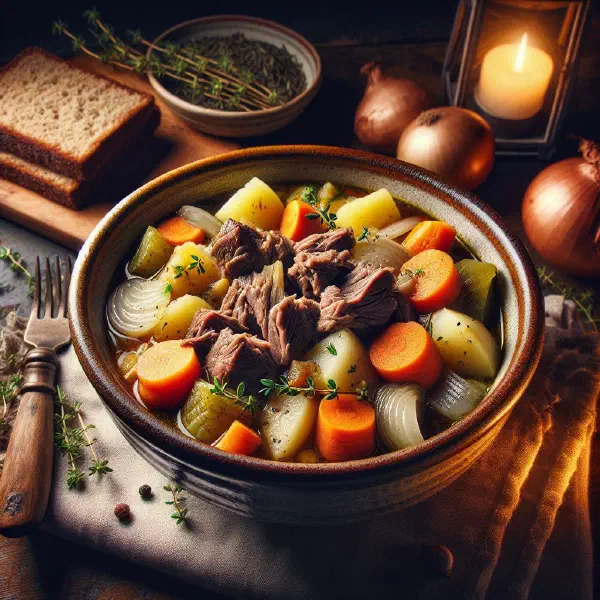
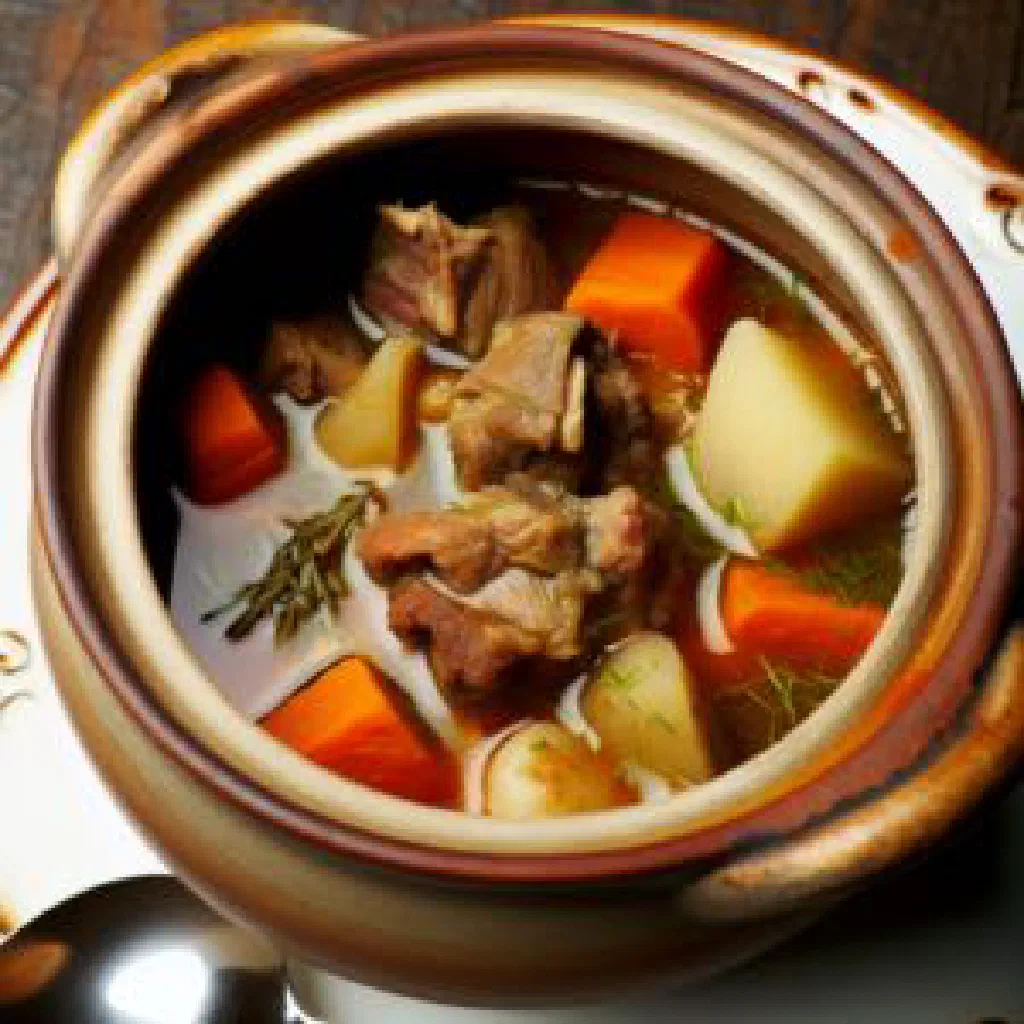
Meet Kvænna, a hearty one-pot stew that captures everything good about cooking in Iceland: honest ingredients, patient simmering and a warmth that stands up to the coldest weather. Tender meat, sweet root vegetables and a whisper of thyme come together in a rich broth that tastes of the island’s windswept pastures. It is simple food, made slowly, and it fills a kitchen with the kind of aroma that draws everyone to the table.
About Kvænna
Kvænna is a traditional Icelandic dish built from the best that the country’s rugged landscape has to offer. It is straightforward to make, yet it delivers a surprising depth of flavour that speaks of authentic Icelandic cuisine. Often described as a national dish, Kvænna is especially popular at festive gatherings, when a big pot on the stove is as much a part of the celebration as the company. Both the taste and the method shift with the region and the season, which makes it a remarkably varied dish. No two versions are ever quite the same.
Ingredients (serves 1–2)
- 200 g mutton or beef, diced
- 1 large onion, chopped
- 2 carrots, sliced
- 2 potatoes, diced
- 1 litre vegetable or meat stock
- 2–3 tablespoons olive oil
- 1 teaspoon thyme
- Salt and pepper to taste
Shopping for the ingredients
When shopping for Kvænna, it pays to choose fresh, high-quality produce. Local markets are usually the best source for good vegetables and properly hung meat. Where possible, look for typically Icelandic ingredients, grass-fed lamb above all, to capture the authentic character of the dish. Check everything carefully before you buy, particularly the fresh meat and vegetables, since the quality of so few ingredients decides the quality of the finished stew.
Preparing the dish
Preparation for Kvænna begins with the knife work. Take your time cutting the vegetables and the meat into even pieces so that everything cooks at the same rate. With this style of slow braising, the size of the pieces matters more than you might expect: uneven chunks mean some are falling apart while others are still firm. Once everything is chopped and lined up beside the hob, you are ready to start cooking.
Step-by-step instructions
- Heat the olive oil in a large pot and add the chopped onion. Fry until translucent.
- Add the meat and brown it well on all sides.
- Tip in the carrots and potatoes and stir everything together thoroughly.
- Pour over the stock, add the thyme and bring to the boil.
- Reduce the heat and let the stew simmer for about 1½ hours, until the meat is tender.
- Season to taste with salt and pepper and serve piping hot.
Gluten-free / lactose-free version
Making Kvænna gluten-free or lactose-free is easy. Simply check that your stock is certified gluten-free, as stock cubes and pastes are the one place gluten tends to hide. The original recipe contains no dairy at all, so it is naturally lactose-free, which makes Kvænna a reliable choice when you are cooking for guests with these dietary needs and do not want to serve them something separate.
Tips for vegans and vegetarians
Vegans and vegetarians can adapt Kvænna without much trouble by replacing the meat with pulses or tofu. A combination of chickpeas and vegetable stock makes a nourishing and genuinely tasty alternative. To reach the deep, savoury flavour of the original, add extra spices such as cumin and paprika, which give the broth the backbone that meat would otherwise provide. With these adjustments the dish stays every bit as satisfying, much like the vegetable-led Thykk Súpa.
More tips and tricks
To intensify the aroma, marinate the meat before cooking in a mixture of herbs and spices. Another good trick is to add the vegetables towards the end of the cooking time so they keep their texture and freshness rather than dissolving into the broth. It is also worth experimenting with different herbs, bay, juniper or a little dill, to build a completely new flavour profile from the same handful of ingredients.
Adapting the recipe to your taste
Kvænna is an exceptionally flexible dish and easy to shape around your own preferences. Add whatever vegetables are in season or simply to hand: swede, turnip and parsnip all suit it well. Swapping the spices around is equally rewarding and opens up a whole range of different tastes. That freedom is exactly what makes Kvænna such a good dish for cooks who like to improvise, whether you keep it light or push it towards the richness of Kjötsúpa.
Ingredient substitutions
If you are missing a particular ingredient, something similar will usually do the job. Beef can be swapped for chicken, while the carrots can give way to celeriac or peppers without unbalancing the pot. The stock, too, can be replaced with a plant-based version to keep the dish vegan. Substitutions like these make Kvænna genuinely adaptable to different diets and preferences, and to whatever happens to be in the fridge.
Drink pairing ideas
An Icelandic beer or a glass of dry red wine goes beautifully with Kvænna. The robust flavours of the stew stand up well to the bitterness of the beer and to the fruitier notes of the wine. For something alcohol-free, a chilled apple juice or a plain sparkling water works nicely, since neither masks the flavours on the plate. Either way, you get to enjoy the full range of what the dish has to offer.
Serving and presentation ideas
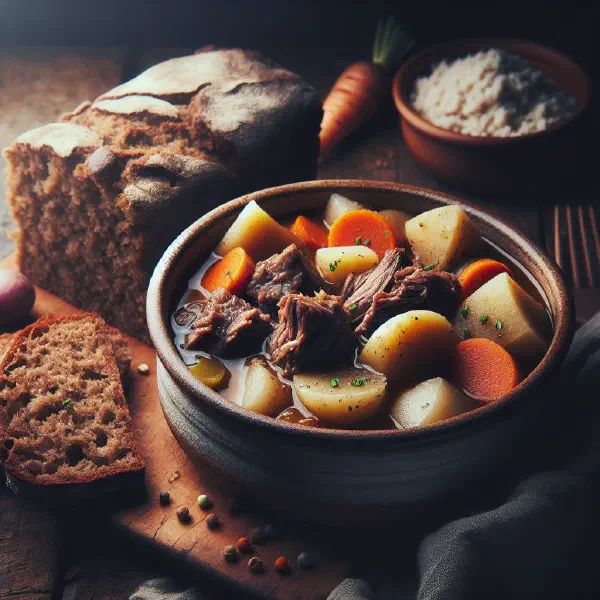
To serve Kvænna at its best, ladle it into a good-looking bowl and garnish with fresh herbs. A few leaves of parsley or a sprig of thyme add a welcome touch of colour against the earthy tones of the stew. Crusty bread on the side turns it into a complete meal, a slice of Rúgbrauð is the classic Icelandic choice. Arrange everything so it looks appetising and unhurried; presentation quietly adds to the pleasure of eating.
A bit of history
Kvænna has a long tradition in Iceland and mirrors the history and culture of the country. It was originally made by farmers and fishermen, who worked with whatever the land and sea provided freely. Over the centuries the dish evolved and became a genuine part of Icelandic identity, standing alongside preserved specialities such as Hangikjöt. Traditionally, Kvænna is served at family celebrations and festivals, where it does what good stews have always done: bring people together around one pot.
More recipe ideas
Summary: Kvænna
Kvænna is a hearty pleasure that reflects Icelandic culture in its own quiet way. It wins people over with its freshness and its honest, natural flavour. The dish is not only simple to prepare, it also has a way of pulling family and friends together around the table. Let the variety and simplicity of Kvænna inspire you, and enjoy a piece of Icelandic tradition in your own kitchen.