National Dish Iceland: Langoustine Soup (Recipe)

In this article
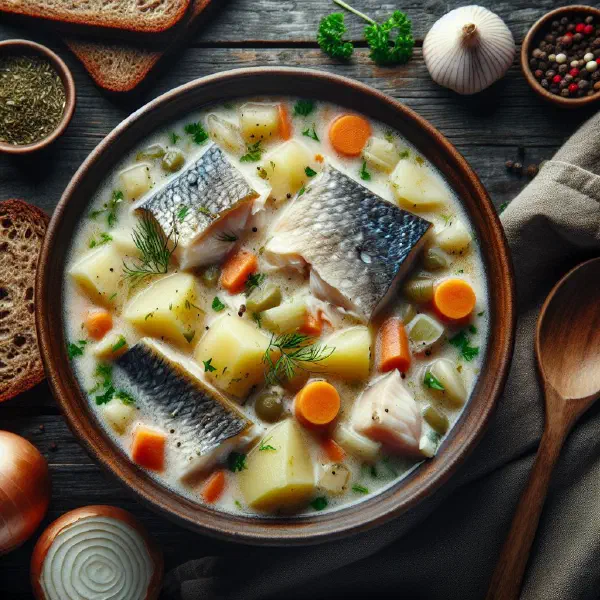
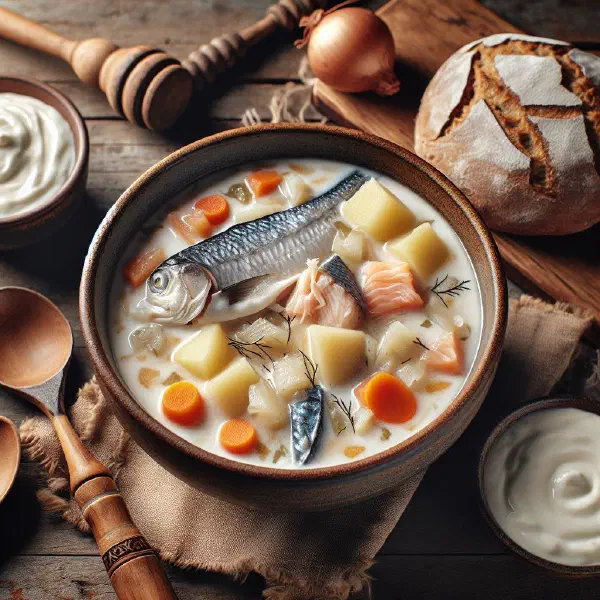
Warm yourself with Langoustine Soup, Iceland’s creamy tribute to the cold North Atlantic. Sweet, delicate langoustines meet a silky base of fish stock and cream, lifted by fresh dill and a whisper of pepper. It is the kind of bowl that tastes of harbour towns and long winter evenings, yet comes together in well under an hour. One spoonful and you will understand why Icelanders reach for it whenever the weather turns.
About Langoustine Soup
Langoustine Soup is a genuine treat that warms the soul and brings the taste of the sea straight to the table. The dish is firmly rooted in Icelandic cuisine and is made with fresh langoustines, prized for their delicate, sweet flesh. The combination of a creamy consistency and aromatic seasoning makes this soup a delicious highlight, especially on cold days. Savour the flavours of Iceland in every spoonful and let the careful preparation win you over.
Ingredients (serves 1–2)
- 200g fresh langoustines
- 1 small onion
- 1 carrot
- 1 stick of celery
- 500ml fish stock
- 200ml cream
- 2 tablespoons olive oil
- 1 teaspoon fresh dill
- Salt and pepper to taste
Shopping for the ingredients
When shopping for your langoustine soup, the freshness of the seafood matters more than anything else. Look for good-quality langoustines that smell clean and briny and feel firm to the touch. The vegetables should be crisp and fresh too, so the finished soup tastes as bright as possible. A visit to a local fish market or harbour stall is often the best way to find top ingredients, the same care that pays off in a classic Fiskisupa.
Preparing the dish
Getting everything ready is straightforward and takes only a few steps. Begin by washing the vegetables thoroughly and cutting them into small dice or neat pieces so they cook evenly and give the soup a pleasing texture. Then prepare the langoustines: peel them and remove the dark intestinal tract so nothing muddies the clean, sweet flavour of the shellfish.
Step-by-step instructions
- Heat the olive oil in a pan and add the onion, carrot and celery. Sweat the vegetables over a medium heat until they begin to soften.
- Add the langoustines and fry briefly until they just take on colour.
- Pour in the fish stock and let everything simmer for around 10 minutes so the flavours can develop.
- Reduce the heat and stir in the cream. Simmer for a few minutes more, then season with salt, pepper and dill.
- Serve the soup piping hot and garnish with fresh herbs to taste.
Gluten-free / lactose-free version
Making this recipe gluten-free and lactose-free is no trouble at all. Swap the ordinary cream for a lactose-free or plant-based alternative so the dish suits anyone with an intolerance. The fish stock can be chosen as a certified gluten-free product, keeping the character of the recipe intact. The result is a soup that is just as delicious and far gentler on sensitive stomachs.
Tips for vegans and vegetarians
Even vegans and vegetarians can enjoy a version of this soup. In place of the langoustines, use a generous mix of vegetables such as courgette or mushrooms for a rich, hearty depth of flavour. Instead of fish stock, a well-made vegetable stock forms an excellent base and keeps the soup every bit as satisfying. These simple swaps mean plant-based eaters need not miss out on a comforting bowl.
More tips and tricks
A few small touches will lift your langoustine soup further. Experiment with herbs such as parsley or thyme to give the dish a character of its own. A squeeze of lemon right at the end of cooking intensifies the aromas and adds a welcome freshness. Above all, go easy on the seasoning: the point is to frame the sweetness of the langoustines, never to bury it.
Adapting the recipe to your taste
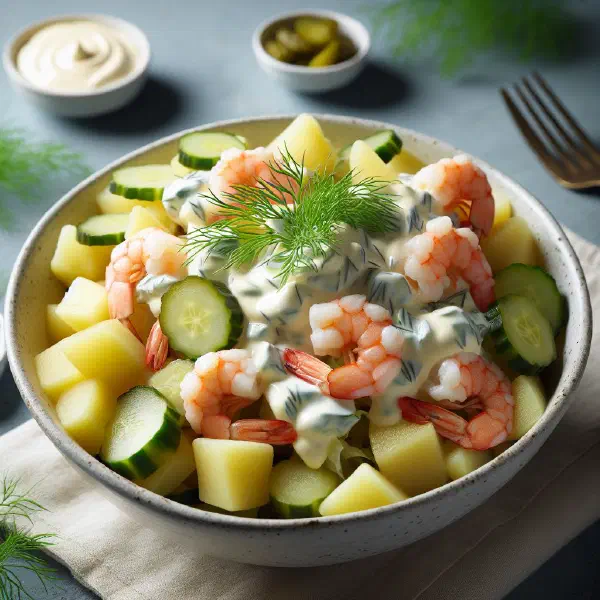
Everyone has their own preferences at the table, and this recipe adapts happily. Increase or reduce the cream to make the soup as rich or as light as you like. You can also add further vegetables or other seafood, prawns work beautifully, as they do in Raekjusalat Med Dill, to give the bowl your personal stamp.
Ingredient substitutions
There are plenty of alternatives to fall back on if something is missing. With no fish stock to hand, a homemade broth of vegetables and herbs will still build plenty of flavour. In place of cream, coconut milk makes a fine plant-based option and gives the soup a new dimension entirely.
Drink pairing ideas
Several drinks suit a good langoustine soup. A dry white wine such as Sauvignon Blanc or Chardonnay complements the sweet shellfish beautifully. Sparkling mineral water or a fruity lemonade offers a refreshing contrast for those who prefer something soft. Choose whatever matches your own taste and the meal becomes that much more enjoyable.
Serving and presentation ideas
Presentation adds a great deal to the pleasure of this soup. Serve it in deep plates or wide bowls and garnish with fresh herbs or a twist of lemon. A few crisp bread cubes or a drizzle of olive oil just before serving completes the picture, a slice of Rugbraud alongside is a very Icelandic touch. A calm setting and attractive tableware turn the meal into something memorable.
A bit of history
The story of langoustine soup runs deep in Icelandic cuisine. Seafood has always been central to the traditional Icelandic diet and has remained a cornerstone across generations. The knack of making the most of whatever the surrounding waters provide is written into this dish. The langoustine, also known as the Norway lobster, is a genuine delicacy and has found its place in culinary traditions far beyond the North Atlantic.
More recipe ideas
Summary: Langoustine Soup
Langoustine soup is a wonderful dish that satisfies while gathering the flavours of Iceland into every spoonful. With its tender langoustines, fresh vegetables and creamy base, it is made for cold days. Whether adapted for vegans or for anyone with particular dietary needs, the recipe offers no end of room to adjust. Bring a little of that sense of home and tradition straight to your own table.